Dermatologists weigh in on the eat-your-skincare TikTok trend

BY THE OPTIMIST DAILY EDITORIAL TEAM
If your For You Page has been full of people canceling Botox appointments because they started eating more salmon, you’ve found the “eat your skincare” trend. The premise is that the right diet can do what a medicine cabinet full of serums promises. It is, honestly, an appealing one… but it’s also only partly true.
The route food takes to your skin
When you eat, nutrients get absorbed in the GI tract and travel through the bloodstream to wherever your body decides to send them. There’s no targeting involved, so your skin gets what’s available once everything else takes its share. Topical skincare works on a different logic entirely, putting concentrated ingredients directly on one spot without the detour.
“Wrinkles and collagen loss are multifactorial,” says Dr. Kseniya Kobets, Director of Cosmetic Dermatology at Montefiore Einstein Advanced Care. “No single food or supplement is going to make a huge difference if the rest of your diet is poor, you are unhealthy or dealing with inflammation, excessive sun exposure or you don’t have a good skincare regimen.”
Food can correct deficiencies that slow things down. Vitamin C and amino acids matter for collagen formation; fatty acids support the skin barrier. But more doesn’t mean more. “I think of it as filling the tank,” Dr. Kobets says. “You need the nutrients and building blocks, but overfilling it doesn’t make the collagen-making machinery work faster.” Too much vitamin C, she notes, can cause GI problems and, in some people, raise the risk of kidney stones.
Can food protect you from the sun?
Some of the content goes further: eat your sunscreen. That sounds ridiculous, but there’s real science underneath it. “There is interesting evidence around oral photoprotection,” Dr. Kobets says. “Certain carotenoids, polyphenols and Polypodium leucotomos extract have been studied for increasing the skin’s resistance to UV-induced damage.”
That’s not a reason to put the SPF away, though. “I sometimes think of these as an extra layer of defense, but definitely not an oral sunscreen,” she says. “No amount of blueberries, green tea or antioxidant supplements is going to replace properly applied and reapplied sunscreen, protective clothing and smart sun behavior.”
What to eat for skin health
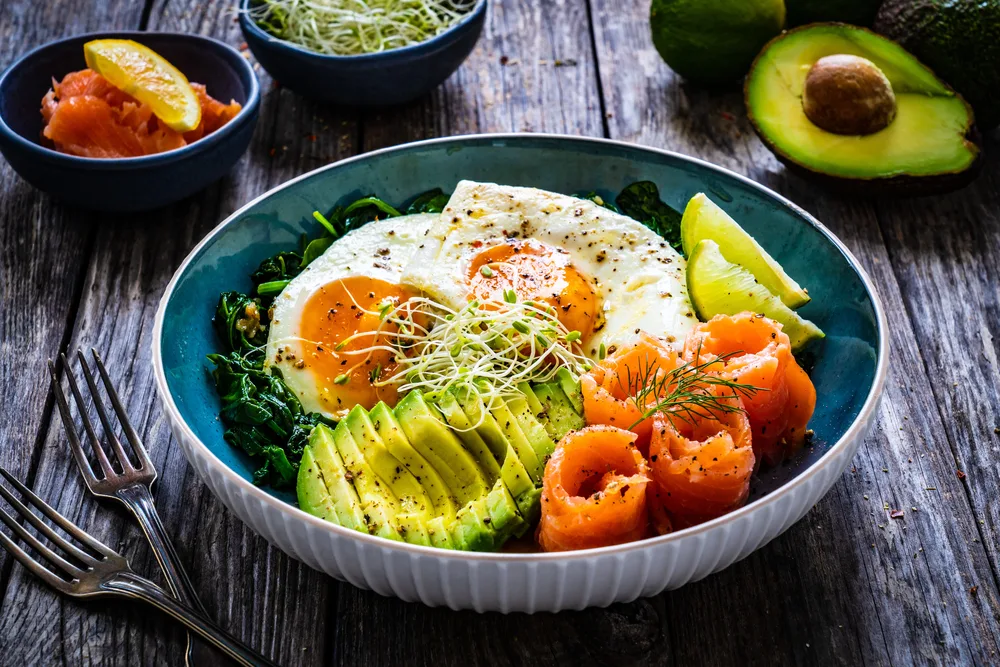
If you want your diet to pull some weight here, the list is manageable. Dr. Sapna Palep, a dermatologist at Journelle Skin, recommends eggs, avocado, flaxseeds, walnuts, salmon, and dark chocolate, which between them cover protein, healthy fats, omega-3 fatty acids, and antioxidants.
“Nutrition can influence inflammation, oxidative stress, the microbiome and skin-barrier function,” says Dr. Kobets. “What is good for your overall metabolic health tends to be good for your skin as well.”
That’s the version of this trend that holds up: eating well really does support your skin, and the foods involved are things most of us would benefit from eating more of anyway. What food can’t do is replace sunscreen or stand in for a routine that’s doing something. Think of it as filling a role, not playing every position.
Did this solution stand out? Share it with a friend or support our mission by becoming an Emissary.
The post Dermatologists weigh in on the eat-your-skincare TikTok trend first appeared on The Optimist Daily: Making Solutions the News.