Practical Bathroom Remodeling Ideas for a Safer, Sustainable, Easier-to-Maintain Home
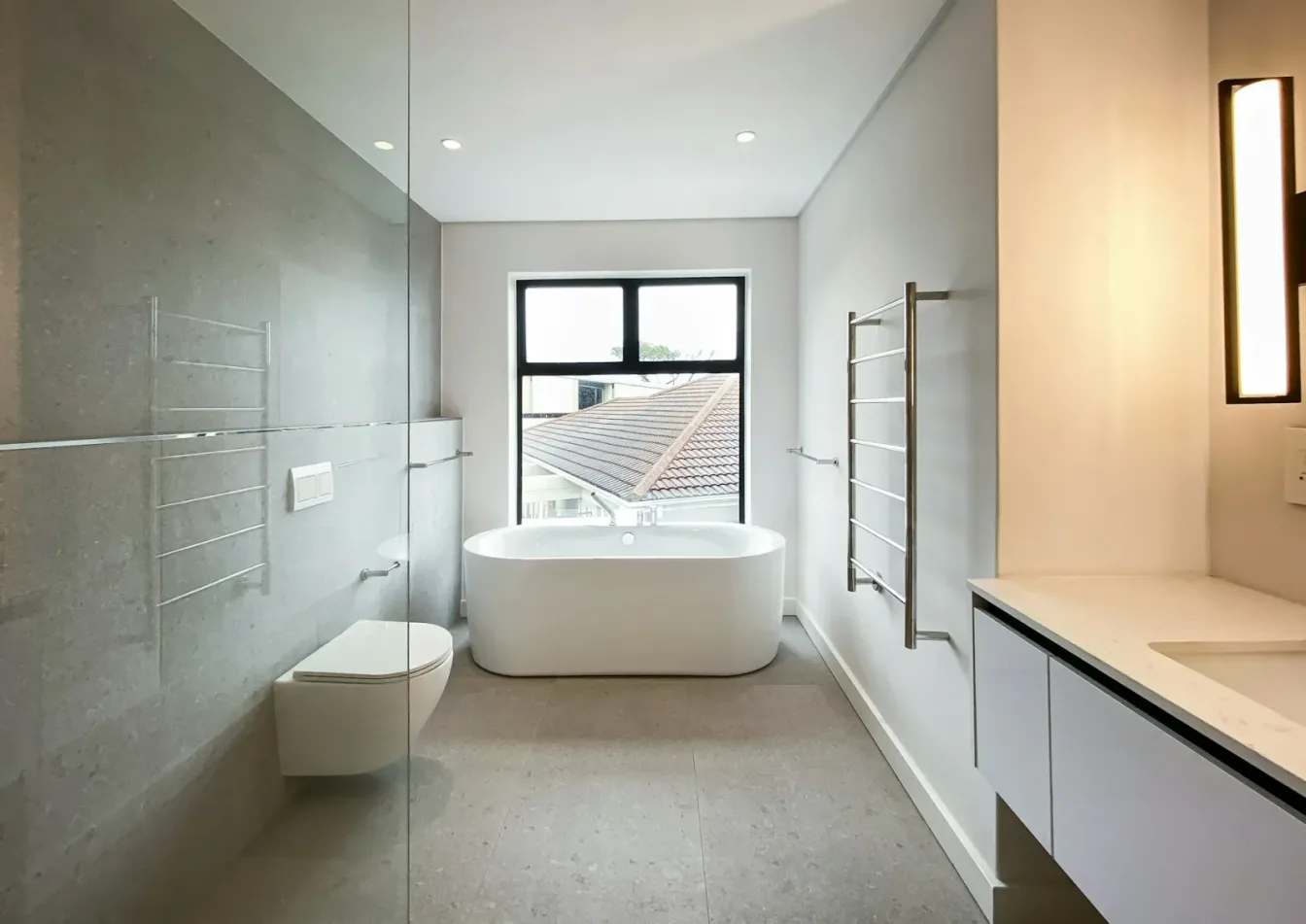
Happy Eco News Practical Bathroom Remodeling Ideas for a Safer, Sustainable, Easier-to-Maintain Home
Reading Time: 4 minutesPractical Bathroom Remodeling Ideas for a Safer, Sustainable, Easier-to-Maintain Home
Key Takeaways
- Plan around daily frustrations before choosing colors, tile, or fixtures.
- Prioritize safe shower access, reliable lighting, clear pathways, and moisture control.
- Select durable surfaces, simple fixtures, and storage that reduce routine cleaning and clutter.
- Consider household needs today while preparing for future changes in mobility needs.
- Build a budget that includes waterproofing, labor, permits, ventilation, and potential hidden repairs.
A bathroom should support the way people actually live, from rushed weekday mornings to relaxed evening showers. A well-planned bathroom remodel can solve practical problems such as a high tub wall, poor lighting, cluttered counters, slippery flooring, or surfaces that require constant scrubbing.
The best results come from treating the room as a connected system. Layout, drainage, ventilation, lighting, storage, and finishes all affect comfort, cleaning, and long-term performance. Start with the issues that make daily routines harder, then choose design details that support the solutions.
Why Practical Planning Matters
A remodel that looks appealing but ignores everyday inconveniences can become frustrating quickly. For example, a homeowner may love a decorative tile sample but discover that the new shower still has a difficult entry, no place to store toiletries, and dim lighting near the mirror. Addressing the function first makes it easier to select finishes that work with the room rather than against it.
Inspect the Existing Bathroom
Before demolition or shopping for products, inspect the room closely. Look for cracked tile, loose flooring, damaged caulk, water stains, soft walls, slow drains, peeling paint, and recurring mildew. Notice where water lands after a shower and whether the door, drawers, and cabinets open without blocking the walkway.
Test switches, outlets, plumbing fixtures, and the exhaust fan. A fan that makes noise is not necessarily moving air outside effectively. Signs of plumbing leaks, electrical issues, extensive moisture damage, or a weakened subfloor should be evaluated by a qualified professional before selecting finishes.
Set Clear Remodeling Priorities
Separate your wish list into three categories so essential work remains protected if costs change:
- Must-haves: Repairs, waterproofing, safe entry, dependable lighting, and ventilation.
- Useful upgrades: Better storage, a handheld showerhead, seating, improved mirrors, and accessible controls.
- Optional details: Accent walls, premium hardware, decorative lighting, and smart features.
Choose a Safer Shower Layout
A standard bathtub, a tub-and-shower combination, a walk-in shower, a low-threshold shower, and a curbless shower can all be appropriate choices. The right option depends on the room’s size, plumbing arrangement, whether children use the bathroom, and the household’s current and future needs.
For a shower-focused remodel, useful features can include accessible controls, a handheld showerhead, recessed niches, secure grab bars, and space to move near the entry. The home safety steps for preventing falls include brighter lighting, clear walking areas, and grab bars around tubs, showers, and toilets. Curbless showers can improve access, but they require careful attention to floor slope, drainage, waterproofing, and code-compliant installation.
Improve Flooring and Lighting
Bathroom flooring should be made for wet conditions and have a surface texture suited to areas that may become damp. Highly polished finishes can be harder to navigate when wet. Keep the route from the shower to towels and storage as short and uncluttered as possible, and use bath mats with stable, slip-resistant backing.
Layered lighting makes routines easier. General ceiling lighting brightens the room; vanity lighting helps with grooming; shower lighting improves visibility in the bathing area; and low-level night lighting can make late-night trips more comfortable. Place switches where they are easy to reach when entering the room.
Select Easier-to-Clean Materials
Materials affect how much time a bathroom requires each week. Large-format tile can mean fewer grout lines than a small mosaic pattern, while smooth wall panels and nonporous counters can simplify wiping down wet areas. Simple faucet forms with fewer tight crevices are often easier to clean than highly detailed designs.
Low-maintenance does not mean maintenance-free. Any shower wall, countertop, fixture, or floor still needs routine cleaning, sound installation, and prompt attention to damaged caulk or grout.
Plan Storage Around Daily Routines
Storage works best when it matches the items used every day. Keep frequently used toiletries between knee and shoulder height, use vanity drawers or pull-outs for small items, and place towels close to the shower or bath. Recessed niches can provide convenient shower storage when wall conditions allow. Medicines should be kept away from humid bathroom conditions, and reducing floor clutter can also reduce unnecessary bending and reaching.
Control Moisture and Improve Ventilation
Moisture can damage finishes and contribute to repeated mildew, condensation, musty odors, and peeling paint. An exhaust fan should vent outdoors rather than into an attic or another enclosed area. The EPA explains that bathroom ventilation removes unwanted moisture and recommends checking that the fan is functioning properly during renovation.
Run the fan during bathing and afterward to help clear humid air. Also, inspect caulked joints, shower doors, and plumbing connections regularly, since small leaks are easier to address before they damage walls or flooring.
Add Helpful Universal Design Features
Universal design can look polished and inviting rather than clinical. Lever handles, handheld showerheads, comfortable fixture heights, wider clearances, seating, and contrast between controls and surrounding surfaces can support a wider range of users. If future grab bars may be helpful, plan wall reinforcement before the walls are closed. This small decision can make later updates simpler.
Build a Realistic Budget and Remodeling Plan
A complete budget should account for design, demolition, disposal, plumbing, electrical work, waterproofing, ventilation, flooring, wall finishes, lighting, fixtures, storage, permits, inspections, labor, and cleanup. Set aside a contingency amount for concealed leaks, damaged subfloors, or outdated plumbing that may be discovered after demolition.
Compare detailed proposals rather than choosing only the lowest total. Then follow a clear sequence:
- List daily problems and measure the room.
- Choose must-haves before optional upgrades.
- Select the tub or shower layout.
- Coordinate lighting, ventilation, storage, and safety features.
- Review estimates, permits, scheduling, cleanup, and warranties.
- Test drainage, doors, drawers, lights, and fixtures during the final walkthrough.
Common Bathroom Remodeling Questions
Does a safer bathroom have to look clinical?
No. Coordinated hardware, warm finishes, modern lighting, and built-in storage can make safety-minded features feel like a natural part of the design.
Is a walk-in shower always better than a bathtub?
No. A walk-in shower may improve access and reduce cleaning around a tub wall, while a bathtub can remain useful for children or household members who enjoy soaking.
What should be checked at the final walkthrough?
Confirm shower drainage and water flow, fixture stability, door and drawer clearance, switch placement, accessible storage, caulk details, cleanup quality, and warranty documents.
Final Planning Tips
Start with safety, moisture control, lighting, storage, and durable surfaces. Choose lasting features for the room’s permanent parts, then add personality with paint, mirrors, hardware, and accessories that are easier to change. A thoughtful plan can create a bathroom that looks finished, functions comfortably, and continues to support the household for years.
The post Practical Bathroom Remodeling Ideas for a Safer, Sustainable, Easier-to-Maintain Home appeared first on Happy Eco News.