How Smarter Infrastructure Planning Can Reduce the Environmental Impact of Data Centers
Happy Eco News How Smarter Infrastructure Planning Can Reduce the Environmental Impact of Data Centers
Reading Time: 4 minutesHow Smarter Infrastructure Planning Can Reduce the Environmental Impact of Data Centers
The rapid expansion of artificial intelligence, cloud computing, and digital services is creating growing demand for data centers. While these facilities support essential technologies, their development also raises important environmental questions.
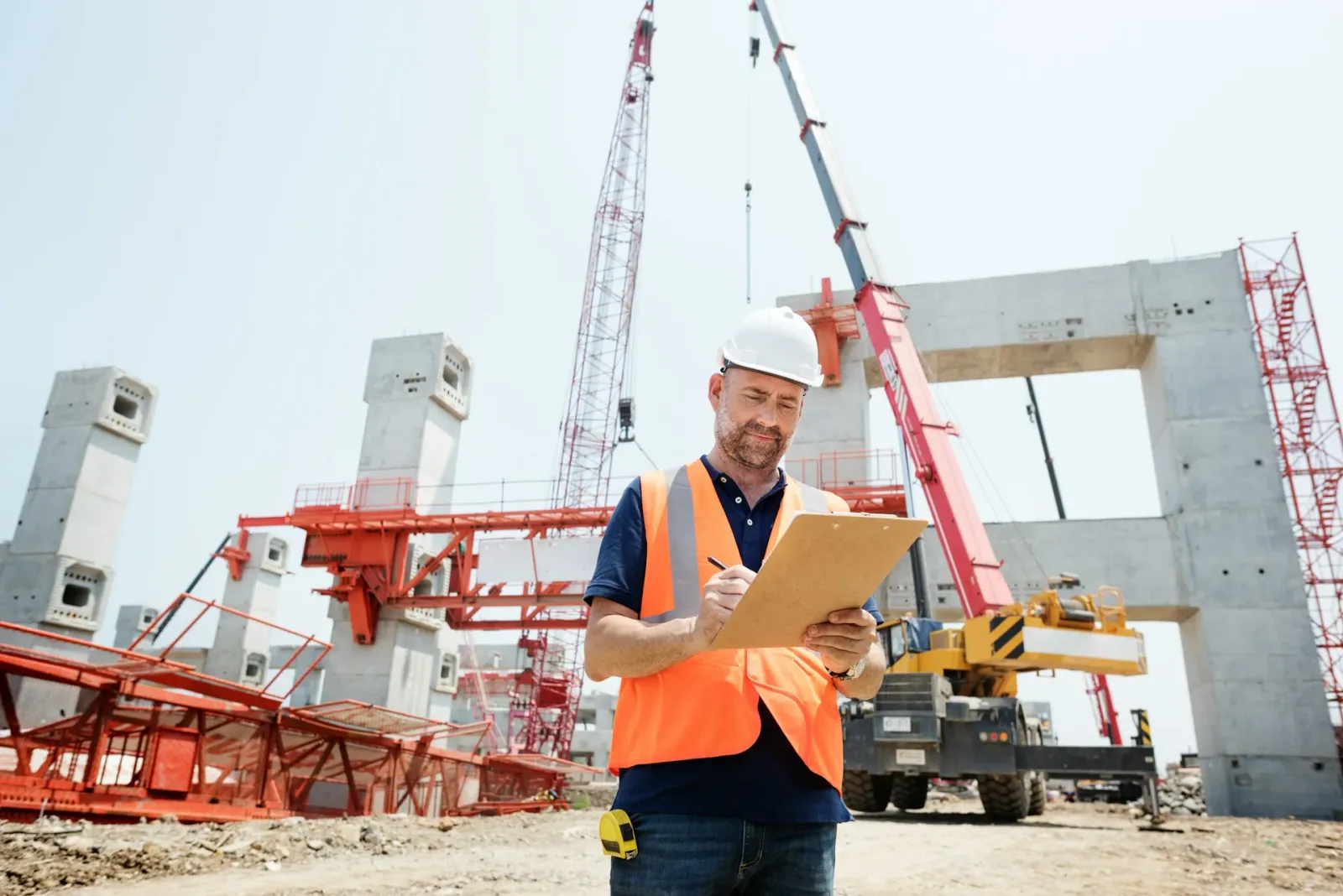
Data centers require substantial electricity, construction materials, cooling infrastructure, and specialized equipment. Their environmental footprint begins long before the first server becomes operational. Construction activities, transportation requirements, material selection, and equipment installation can all contribute to emissions and resource consumption.
As developers face increasing pressure to balance digital growth with environmental responsibility, infrastructure planning is becoming an important part of the conversation. Reducing environmental impacts requires looking beyond operational energy efficiency and considering how facilities are designed, constructed, and maintained throughout their lifecycles.
Sustainable Data Center Development Begins With Better Planning
Data centers’ environmental performance depends on decisions made throughout development and operation. Site selection, building design, electricity availability, cooling requirements, and construction methods can all influence resource consumption.
For example, developing a facility in a location with suitable electrical infrastructure may reduce the need for certain additional construction activities.
Similarly, designing equipment layouts for efficient installation and maintenance access can help avoid unnecessary later modifications. However, sustainable development involves balancing several considerations. A location with favorable electricity conditions may still face challenges related to water availability, land use, or transportation access.
Developers must therefore evaluate environmental factors together rather than focusing exclusively on a single performance measure.
Early planning provides opportunities to identify these trade-offs before major financial and construction commitments are made.
Energy Efficiency Remains Central to Environmental Performance
Electricity consumption is one of the most significant environmental considerations associated with data center operations. Computing equipment requires continuous power, while cooling and supporting systems contribute to overall energy demand.
Improving efficiency can reduce the electricity needed to deliver a given level of computing performance.
The U.S. Environmental Protection Agency’s ENERGY STAR guidance for data centers provides resources related to measuring and improving data center energy performance. Energy management begins with understanding how a facility consumes electricity. Developers and operators can evaluate cooling efficiency, power distribution losses, equipment utilization, and monitoring systems.
However, energy efficiency should not be confused with eliminating environmental impacts. A facility can become more efficient while its total electricity consumption increases because of additional computing capacity.
For this reason, sustainability assessments should consider both operational efficiency and overall resource demand.
Equipment Logistics Can Influence Construction-Related Emissions
Building a data center requires transporting and installing large electrical and mechanical components. Transformers, backup generators, cooling systems, and other specialized equipment may travel considerable distances before reaching their final locations.
Transportation requirements can involve heavy-duty vehicles, specialized trailers, cranes, and additional handling equipment. Industrial logistics providers such as prolift rigging operate within this environment, where the movement and positioning of heavy machinery must be coordinated with construction activities.
Although specialized transportation cannot always be avoided, better logistics planning can help reduce unnecessary movements. For example, coordinating equipment deliveries with installation schedules may limit repeated transportation between storage facilities and construction sites.
Preparing suitable access routes can also reduce the need for additional handling or temporary relocation.
These measures can support operational efficiency while potentially reducing fuel consumption and associated emissions. However, environmental benefits depend on actual project conditions, transportation distances, equipment choices, and the number of movements avoided.
Measuring these factors is important when evaluating whether a logistics strategy delivers meaningful environmental improvements.
Construction Materials Have Environmental Impacts Beyond the Building Site
Data center development involves substantial quantities of concrete, steel, electrical equipment, and mechanical infrastructure. Producing these materials requires energy and raw resources, creating environmental impacts before construction begins.
Material transportation, installation, maintenance, and eventual disposal also contribute to a facility’s lifecycle footprint.
The World Green Building Council’s resources on embodied carbon explain why emissions associated with building materials and construction processes deserve attention alongside operational energy consumption. For developers, this creates opportunities to evaluate material choices and construction methods.
Using appropriate quantities of materials, reducing avoidable waste, and considering the durability of major components can support more responsible construction. However, selecting materials solely based on their initial environmental impact may overlook other important factors.
Durability, maintenance requirements, structural performance, and replacement frequency can influence environmental outcomes over time. A lifecycle perspective helps developers understand these trade-offs.
Cooling Systems Require Careful Resource Management
Cooling is essential to maintaining reliable data center operations.
Computing equipment generates heat, and facilities must remove that heat to maintain suitable operating conditions. Different cooling technologies require different levels of electricity, water, mechanical equipment, and maintenance.
Air-based cooling, evaporative cooling, and liquid cooling systems each present advantages and limitations depending on facility design and local conditions. Water availability is particularly important in regions where resources are already under pressure.
A cooling strategy that reduces electricity consumption may increase water use, creating a trade-off that developers need to evaluate. Climate, computing density, equipment requirements, and local infrastructure should all influence cooling decisions.
Rather than assuming one technology is universally more sustainable, developers should assess each option’s environmental consequences for the specific project.
Designing for Maintenance Can Reduce Future Resource Waste
Sustainable infrastructure planning should consider what happens after construction. Data centers require regular maintenance, equipment upgrades, and occasional replacement of major components.
Poor equipment access can make these activities more difficult and may require additional construction work. For example, replacing a large cooling unit could require unnecessary demolition or structural modifications if the original design did not account for access.
Providing suitable maintenance routes, equipment clearances, and replacement strategies can reduce these complications. Modular infrastructure may also offer advantages in some applications by allowing teams to replace or expand individual components without extensive changes to surrounding systems.
However, modular designs are not automatically more sustainable. Their environmental performance depends on material use, manufacturing processes, operational efficiency, and expected service life.
The goal is to develop facilities that can adapt to changing requirements without creating avoidable waste.
Sustainable Growth Requires a Broader Infrastructure Perspective
The environmental challenges associated with data center expansion cannot be addressed through a single technology or construction practice.
Energy consumption, water use, material production, transportation, and equipment maintenance all contribute to the broader environmental picture. Developers can make more informed decisions by evaluating these factors throughout the project lifecycle.
Early design coordination, efficient equipment logistics, responsible material selection, and long-term maintenance planning can help identify opportunities to reduce unnecessary resource consumption.
These strategies do not eliminate the environmental footprint of digital infrastructure. However, they can support a more deliberate approach to managing its impacts. As demand for computing capacity continues to grow, responsible infrastructure development will require balancing technological progress with environmental considerations.
The challenge is not simply building more data centers. It is understanding how each stage of development can contribute to a more resource-conscious digital economy.
The post How Smarter Infrastructure Planning Can Reduce the Environmental Impact of Data Centers appeared first on Happy Eco News.