PV and batteries could help cut global power costs by 40% in 2030s
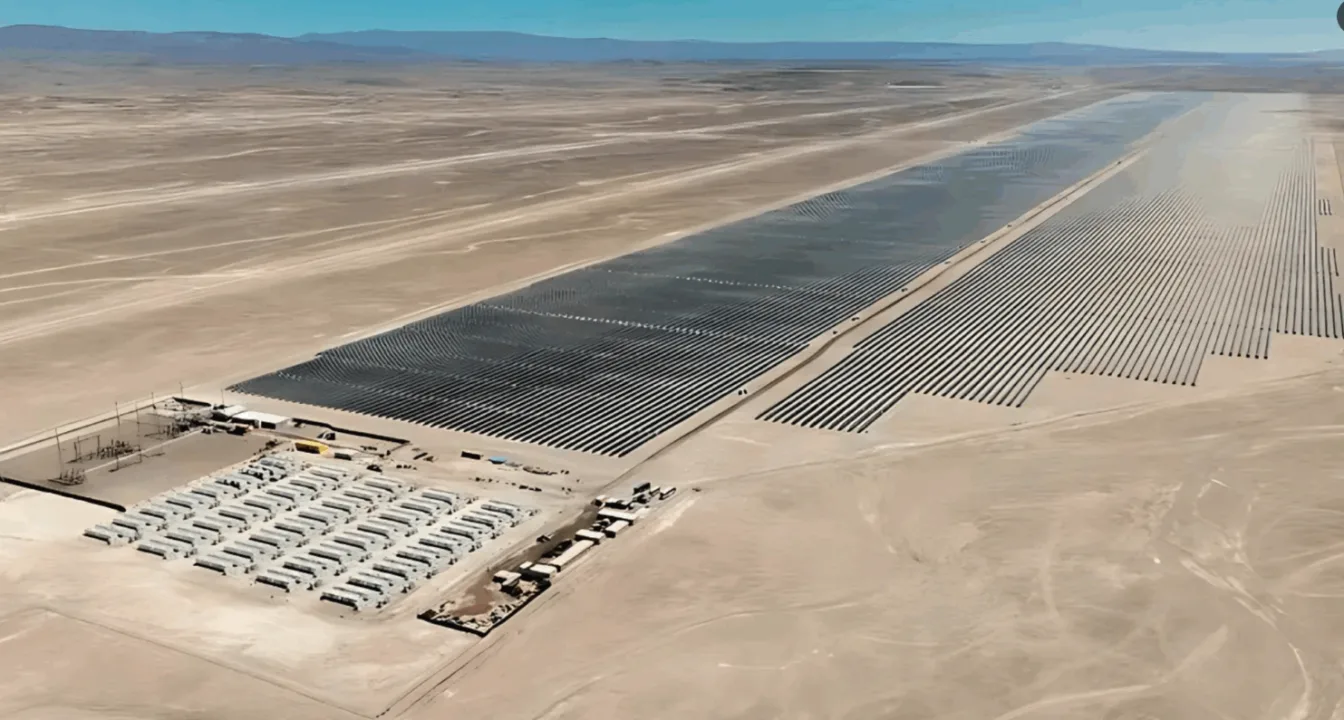
PV and battery energy storage could reduce total global electricity system costs by up to 40% in the 2030s, according to a new study by the Schneider Electric Research Institute (SERI). The potential savings depend on lower installation costs for the technologies and simultaneous growth in electricity demand.
The report, “System Costs of Electricity: A New Baseline for the 21st Century Economy,” evaluates 40,500 scenarios involving different combinations of solar generation, battery systems and grid infrastructure. It uses a total system cost model to assess whether large-scale adoption of distributed energy resources (DERs), particularly rooftop solar and batteries, could make electricity cheaper or more expensive for the economy as a whole.
The analysis considers not only the installation and operating costs of distributed systems, but also the fixed and variable costs of centralized generation and transmission and distribution infrastructure. It aims to assess the economic effects of integrating these technologies across the electricity system under different regional conditions and consumption profiles.
Using current global average installation costs for solar and batteries, the lowest modeled total system cost is $0.145/kWh, compared with a baseline of $0.160/kWh. This represents a reduction of about 10%.
Using projected installation costs for the 2030s, the minimum modeled cost falls to $0.094/kWh, about 40% below the baseline. The potential savings could add up to 0.8% to global gross domestic product (GDP) in the 2030s, compared with approximately 0.1% under current cost conditions.
The report emphasizes that results vary by market. In the United States, for example, residential solar installation costs are about three times the global average. Under those conditions, the minimum modeled total system cost rises to $0.191/kWh, approximately 20% above the $0.160/kWh baseline.
Coordinating demand
One of the study’s main findings is that expanding solar generation and battery capacity in isolation does not guarantee lower electricity system costs. Electrification of additional consumption sectors needs to advance alongside the deployment of distributed energy resources.
The report identifies two main mechanisms behind the potential savings. The first is the displacement of grid-supplied electricity. Every megawatt-hour generated and consumed locally by a solar system reduces the need to purchase electricity from the grid. In many of the markets analyzed, the cost of distributed energy resources is already lower than the price of electricity supplied by the centralized system.
The second mechanism is more efficient use of existing infrastructure. Batteries can reduce peak demand and smooth consumers’ load profiles, freeing up capacity on the grid. When new electrified loads use that available capacity, fixed infrastructure costs can be spread across a larger volume of electricity sales, lowering the cost per megawatt-hour.
Potential sources of additional demand include electric vehicles, heat pumps, air conditioning systems and data centers. Combined with the flexibility provided by batteries, these loads could improve the utilization of existing assets and reduce the need for new generation and grid infrastructure investments.
The study estimates that distributed energy resources could supply more than 7,500 TWh of electricity today, equivalent to approximately 30% of global electricity demand. By 2050, that potential could reach 25,000 TWh.
Investment timing
The sequence of investment in solar generation, batteries and electrification also affects the economic results. The study models three energy transition pathways through 2050, based on different rates of supply and demand growth.
In the first scenario, electricity demand grows ahead of the expansion of distributed energy resources. New consumption peaks require grid upgrades and additional generation capacity, pushing total system costs to approximately $0.173/kWh in 2035.
In the second scenario, solar and battery deployment precedes demand growth. Underutilized capacity can raise costs to approximately $0.168/kWh around 2030. The economic benefits emerge later, as new electrified loads begin using the available capacity.
The third pathway assumes coordinated growth in distributed generation, batteries and electricity demand. In this scenario, total system costs reach a lower peak of approximately $0.163/kWh and remain below the other pathways throughout the modeled period, falling to about $0.105/kWh in 2050.
The research also highlights the importance of appropriate battery sizing. A mismatch between the storage durations selected for different types of installations can increase total system costs by as much as 35% above the current baseline, even under global average installation cost assumptions.
The study also examines investment decisions by households, commercial buildings and industrial facilities, assuming each consumer sizes its solar and battery systems to minimize its own electricity bill.
Even when each group makes decisions independently, without knowing what other consumers will choose, the results remain close to the lowest-cost configuration for the electricity system as a whole. Using projected costs for the 2030s, individual decisions produce a result within $0.002/kWh of the modeled system-wide optimum.
Performance nevertheless depends on the configuration selected. Under current global average cost conditions, an unsuitable battery configuration can cause total system costs to range from 10% below the baseline to 35% above it.
Commercial buildings, such as offices, consistently have the lowest total costs among the categories analyzed because their periods of peak consumption coincide with periods of higher solar generation.
Policy priorities
Based on its findings, SERI identifies three priorities for realizing the economic benefits of distributed generation and batteries.
The first is to smooth electricity demand through time-of-use tariffs, demand charges and incentives for combining solar systems with batteries. On-site energy management can also help reduce peak demand and free up grid capacity.
The second is to synchronize supply expansion with demand growth. The study recommends incentives that combine investment in distributed energy resources with electrification, as well as building requirements that consider these technologies together.
The third is to develop supply chains and accelerate cost reductions. Suggested measures include public procurement, manufacturing incentives, streamlined permitting and workforce training for system installation.
The potential cost reductions depend on coordinated operation of the technologies and the development of new electricity loads capable of using the available supply. Expanding solar generation and batteries alongside rising demand could also support energy security and competitiveness, according to Schneider Electric.