From Hiring Disabled People to Helping Artisans Earn: 5 CEOs Building a Better India
What comes to mind when you think of a successful business? Crores in revenue, thousands of employees, a presence across the world, or perhaps a celebrated CEO?
Now consider a few other measures of success. How many women earned their first independent income? How many people with disabilities found a workplace where they could build a career? How many families could afford life-saving medical treatment? How many rural artisans could earn a living without leaving their villages?
Recent conversations around Nvidia CEO Jensen Huang’s management practices have brought a larger question into focus: what truly makes a good business leader?
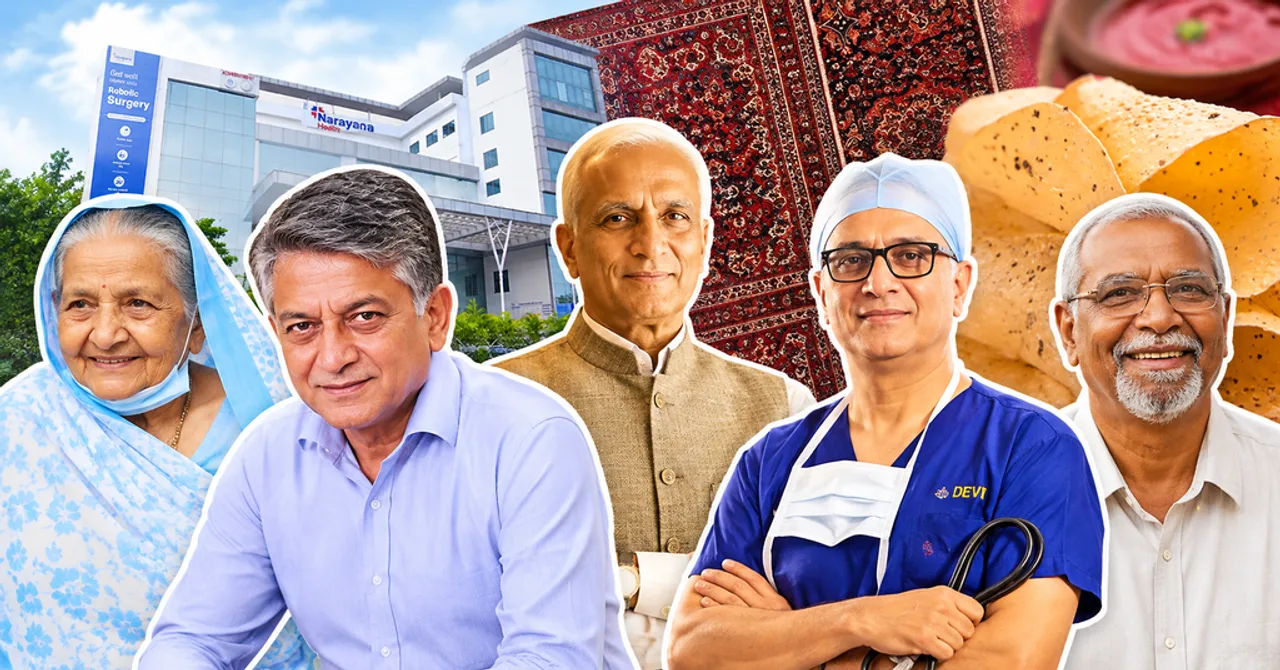
Closer to home, these five Indian enterprises offer a different perspective on success. From hospitality and healthcare to waste management and handicrafts, they show how building a profitable business can go hand in hand with creating meaningful opportunities and improving people's lives.
Making room for every ability
At Lemon Tree Hotels, learning Indian Sign Language is part of employee training. It helps colleagues communicate with one another and makes everyday working life more accessible for employees with hearing disabilities.
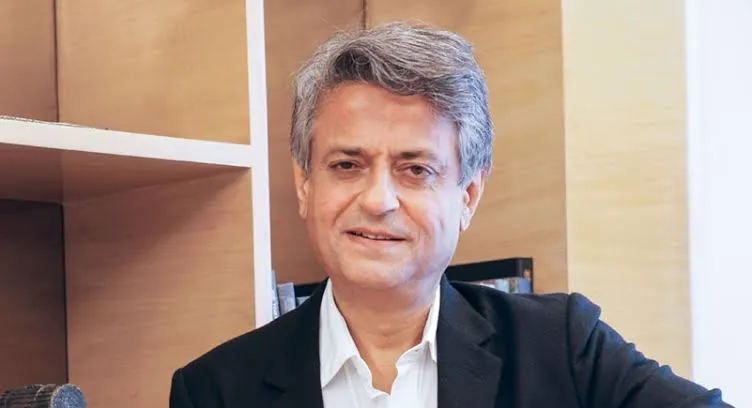
Patu Keswani, the founder of the hotel group, began hiring people with disabilities in 2007. Over the years, the company has adapted its training programmes to accommodate people with different needs.
Deaf employees receive training with the help of sign language interpreters, while colleagues with low vision are provided accessible learning materials. Some neurodivergent employees undergo internships lasting more than six months to help them settle into their roles.
According to its 2025–26 annual report, Lemon Tree employed 305 people with disabilities and another 635 people from socially and economically disadvantaged backgrounds across its owned, leased and managed hotels.
Much like several inclusive cafés across India, the hotel chain demonstrates how adapting workplaces to people's needs can open up meaningful career opportunities.
Taking village crafts to the world
In 1978, Nand Kishore Chaudhary began Jaipur Rugs with two looms and nine artisans. He wanted to connect rural craftspeople directly with larger markets, helping them earn through skills they had developed over generations.
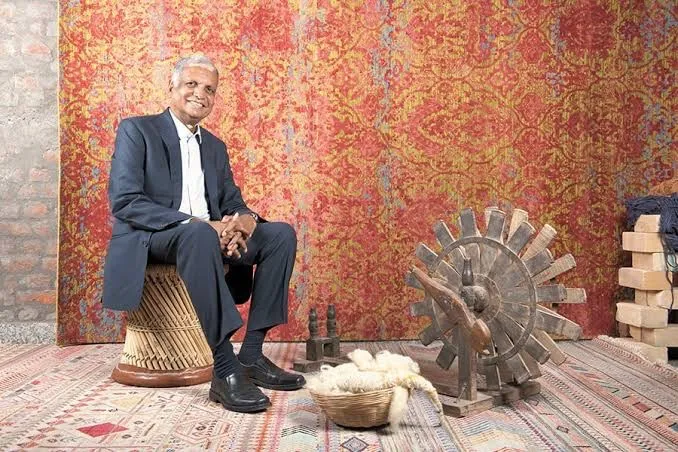
According to the founder's website, the business has grown to work with around 40,000 artisans across 600 villages in five Indian states. Around 80 percent of them are women.
For many of these women, weaving offers an opportunity to earn from their homes without having to migrate to cities or travel far for work.
As The Better India previously reported, the company delivers raw materials to artisans' homes and collects the finished carpets from them.
Through its Manchaha initiative, artisans also get the freedom to create their own rug designs, drawing inspiration from their surroundings, experiences and imagination.
Their craftsmanship has found customers across the world while creating livelihood opportunities closer to home.
Making life-saving surgeries affordable
For a family struggling to afford heart surgery, the cost of treatment can stand between a loved one and potentially life-saving medical care.
It was this challenge that cardiac surgeon Dr Devi Shetty sought to address when he founded Narayana Health in Bengaluru in 2001.
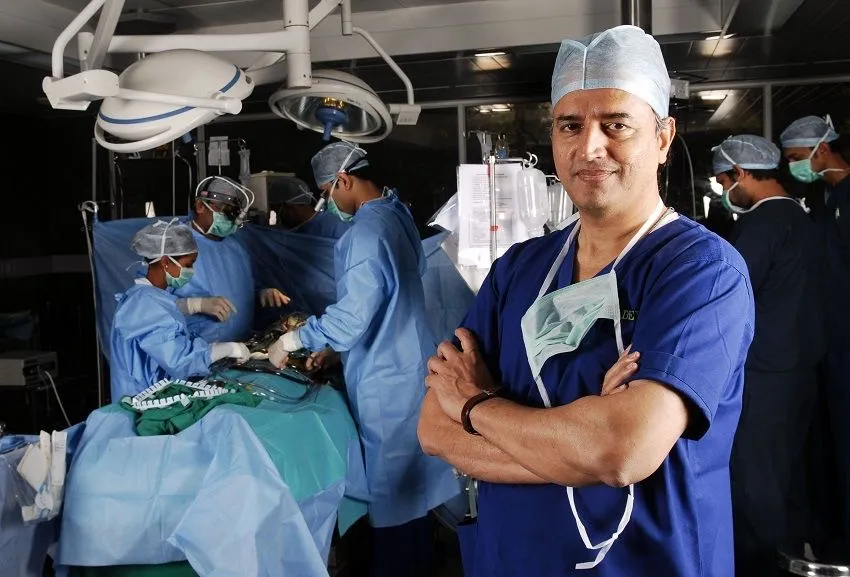
His hospital model focuses on performing a large number of surgeries, making efficient use of medical equipment and reducing procurement and operational expenses.
The savings help bring down the cost of treatment for patients.
A 2017 case study by The Commonwealth Fund documented that Narayana Health had brought the average cost of open-heart surgery below US$2,000 at the time.
By rethinking how hospitals operate, Dr Shetty built a business model that demonstrates how greater efficiency can help more families access specialised medical care.
Helping waste pickers become entrepreneurs
When Lotfar moved to Bengaluru in 2010, he was struggling to make ends meet as a waste picker.
A 2022 report by Tata Trusts documented how his life changed after he began working with Hasiru Dala. By then, he owned four trucks and employed around 20 other waste pickers.
Founded in 2015 by Shekar Prabhakar, Nalini Shekar and Marwan Abubaker, Hasiru Dala Innovations is a waste management enterprise that helps informal waste workers build more secure livelihoods and run their own businesses.
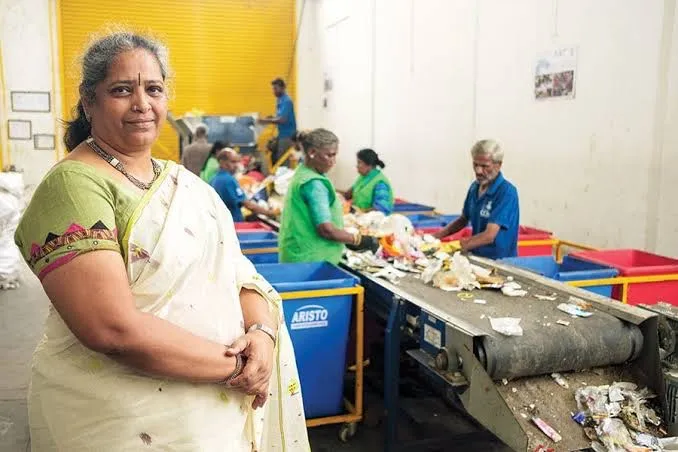
These entrepreneurs provide waste collection and management services to residential communities, offices and events. They earn through service fees as well as the sale of recyclable materials.
By 2022, the enterprise had supported 24 waste-picker entrepreneurs, who had, in turn, created employment opportunities for around 300 other waste pickers.
The model brings the people who have long helped keep our cities clean into the business of managing their waste, giving them opportunities to grow as entrepreneurs.
From making papads to becoming business owners
In 1959, seven women in Mumbai borrowed Rs 80 and began making papads. Their aim was simple: to earn an income of their own.
What began as a small venture became Shri Mahila Griha Udyog Lijjat Papad, one of India's most recognisable household brands.
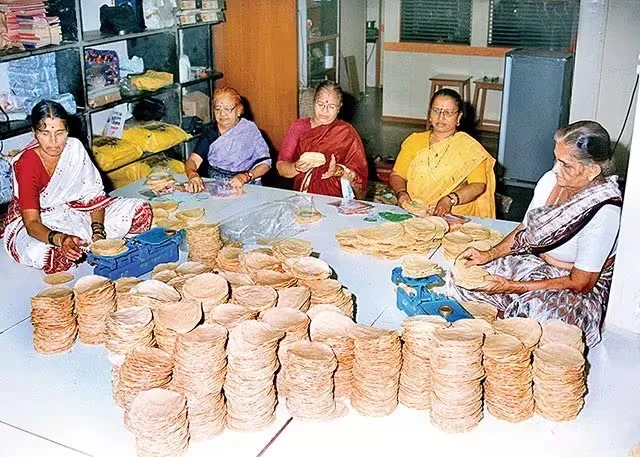
According to its official website, the enterprise provides self-employment to around 45,000 women across 83 branches in 16 states.
What makes Lijjat particularly interesting is its shared ownership model. Its women members participate in running the enterprise, and the profits and losses of each branch are shared among its members.
For thousands of women, a skill they already possessed became a means of earning an income and having a stake in the business they helped build.
More than six decades later, the enterprise offers an example of what women can achieve when they have access to economic opportunities and collective ownership.
These five enterprises have taken different paths to growth. Yet, each offers a valuable lesson in how businesses can widen access to opportunities, recognise overlooked talent and help people build better lives for themselves.
Perhaps, alongside asking how much a business earns, we could also ask a question that deserves just as much attention: Who grows when the business grows?
Sources- Threats, Insults, Settlements: How Jensen Huang Made Humiliation Routine — Emily Steel, Kalley Huang, Ryan Mac and Tripp Mickle, The New York Times, 20 November 2026. Read the syndicated report.
- Lemon Tree Hotels Integrated Annual Report 2025-26 — Lemon Tree Hotels, 2026. Read the report.
- Pavithra Y S: Marrying Business With Philanthropy — NITI Aayog, case study. Read the case study.
- Creating a Social Business — N K Chaudhary, Stanford Social Innovation Review. Read the article.
- Atypical Advantage Places 100+ PwDs in Manufacturing Sector — HRKatha, 20 November 2024. Read the report.
- Lijjat Papad Cooperative Case Study — World Bank. Read the case study.