How Wildlife Conservation Filmmaking Turns Powerful Stories into Real-World Action
Happy Eco News How Wildlife Conservation Filmmaking Turns Powerful Stories into Real-World Action
Reading Time: 3 minutesWildlife conservation filmmaking connects audiences with wild places and the people protecting them.
Wildlife conservation filmmaking gives viewers a reason to care about wild places they may never see in person. Fin and Fur Films, an award-winning production company, builds its work around that idea. Its team focuses on wildlife, adventure, and conservation stories.
The company says it is proudest of films that led to real-world conservation impacts. That goal shapes every project. In wildlife conservation filmmaking, a film succeeds when it moves audiences to care, not just when it entertains.
Ben Masters, founder and director, started the company in 2012 with a Kickstarter campaign. Kickstarter is an online fundraising platform where many people donate small amounts. That campaign paid for the film Unbranded.
Unbranded follows four young cowboys who adopted, trained, and rode a string of wild mustangs 3,000 miles from Mexico to Canada. That is about the distance across the continental United States. The route crossed some of the wildest terrain in the American West.
The trip included runaway horses, a sassy donkey, perilous mountain passes, and rodeos. It also brought sickness, injury, and death. The film won the Audience Award at Telluride Mountainfilm and the Hot Docs Film Festival.
Unbranded also shines a light on the complex situation facing the country’s wild horses. The adventure holds attention, and the film explains the issue along the way. Wildlife conservation filmmaking often works this way.
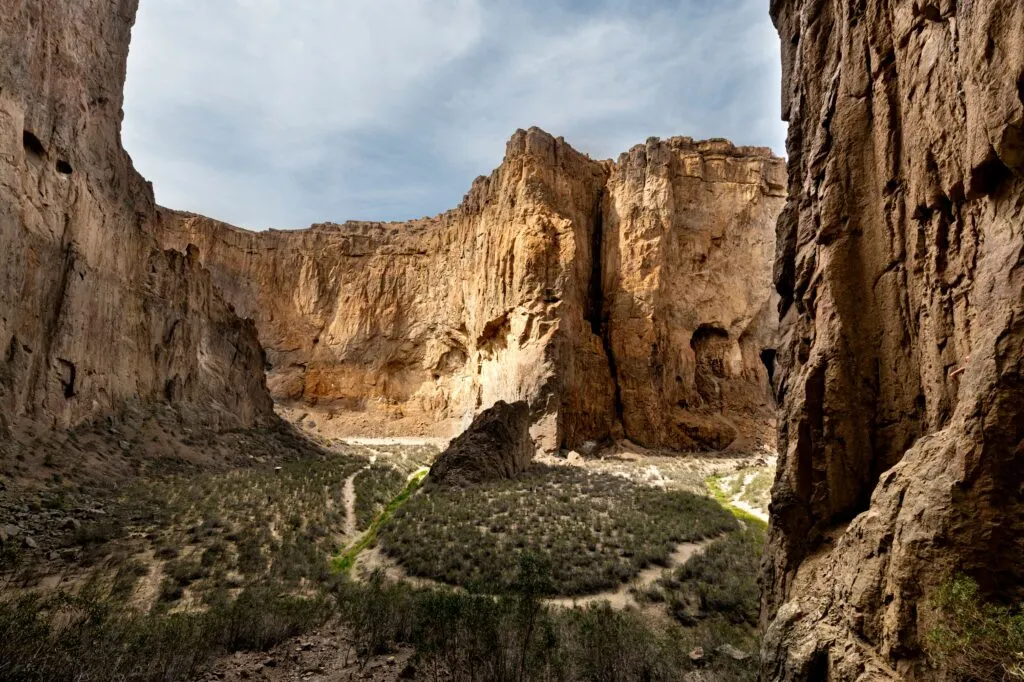
The River and the Wall takes a similar approach. Five friends travel 1,200 miles from El Paso to the Gulf of Mexico through the unknown wilds of the Texas borderlands. They go by horse, mountain bike, and canoe.
That distance equals nearly a full day of nonstop highway driving, but the friends covered it much more slowly. They set out to document the borderlands. They also wanted to explore how a border wall could affect the natural environment.
As the wilderness gave way to the more populated Lower Rio Grande Valley, the friends met the human side of the immigration debate. The trip took an emotional turn they had not planned for.
Deep in the Heart: A Texas Wildlife Story brings wildlife conservation filmmaking to an entire state. Actor Matthew McConaughey narrates the visually stunning film. It celebrates Texas landscapes and wildlife found nowhere else.
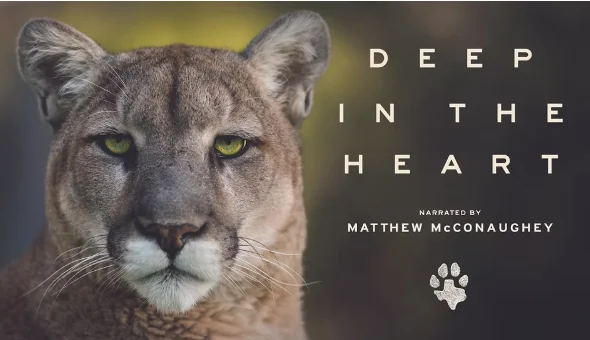
Wildlife conservation filmmaking comes to an entire state in Deep in the Heart: A Texas Wildlife Story, narrated by Matthew McConaughey, a visually stunning film celebrating Texas landscapes and wildlife found nowhere else. Photo courtesy of Fin and Fur Films.
The film aims to protect the state’s remaining wild places. It shows how water and wildlife depend on each other. It also recognizes Texas’s important role in conservation across the continent.
Reach matters in wildlife conservation filmmaking. Fin and Fur Films has shared its work through Netflix, Apple TV, PBS Nature, Prime, National Geographic, and LoveNature. The films have also appeared in large theatrical releases and on international television.
Global Wildlife Conservation notes that well-made environmental documentaries can bring people closer to nature and inspire them to protect it. The Fin and Fur Films catalog shows how that works in practice. Each story pairs a real adventure with a real conservation question.
Partnerships help wildlife conservation filmmaking go further. The company has worked with American Rivers, The Nature Conservancy, and Texan by Nature. It has also partnered with brands such as H-E-B and YETI.
The numbers show how far a small team can stretch. The company has produced five feature films and more than 30 short films. It has worked with more than 40 conservation groups, which is roughly one partner group per film.
See also: A Documentary About Overfishing Sparked Blue Marine Foundation’s Ocean Conservation Mission
Masters says the crew keeps its roots as river lovers, backcountry horsemen, and field-savvy wildlife biologists. He also stresses that each film is a team effort. Dozens, or even hundreds, of people contribute to each one.
Masters credits partners, collaborators, donors, contractors, and the viewers who give their time to watch. That shared support keeps the work going. Audiences are part of the effort, too.
Good stories make conservation feel personal. Wildlife conservation filmmaking gives those stories a wide audience. Which wild place would you most like to see protected next?