PET Cans vs Aluminium Cans: What Producers Should Know About Recyclability and Lightweighting
Happy Eco News PET Cans vs Aluminium Cans: What Producers Should Know About Recyclability and Lightweighting
Reading Time: 2 minutesPET Cans vs Aluminium Cans: What Producers Should Know About Recyclability and Lightweighting
Understanding Beverage Container Evolution
The beverage packaging industry continually seeks materials that balance structural integrity, consumer appeal, and environmental responsibility. Producers must evaluate various packaging formats to meet shifting regulatory demands and sustainability targets. Two prominent contenders in modern production lines are the traditional metal cylinder and the transparent polymer vessel. Understanding their distinct characteristics regarding material recovery and mass reduction helps brand owners make informed decisions for their product portfolios.
The Mechanics of Lightweighting
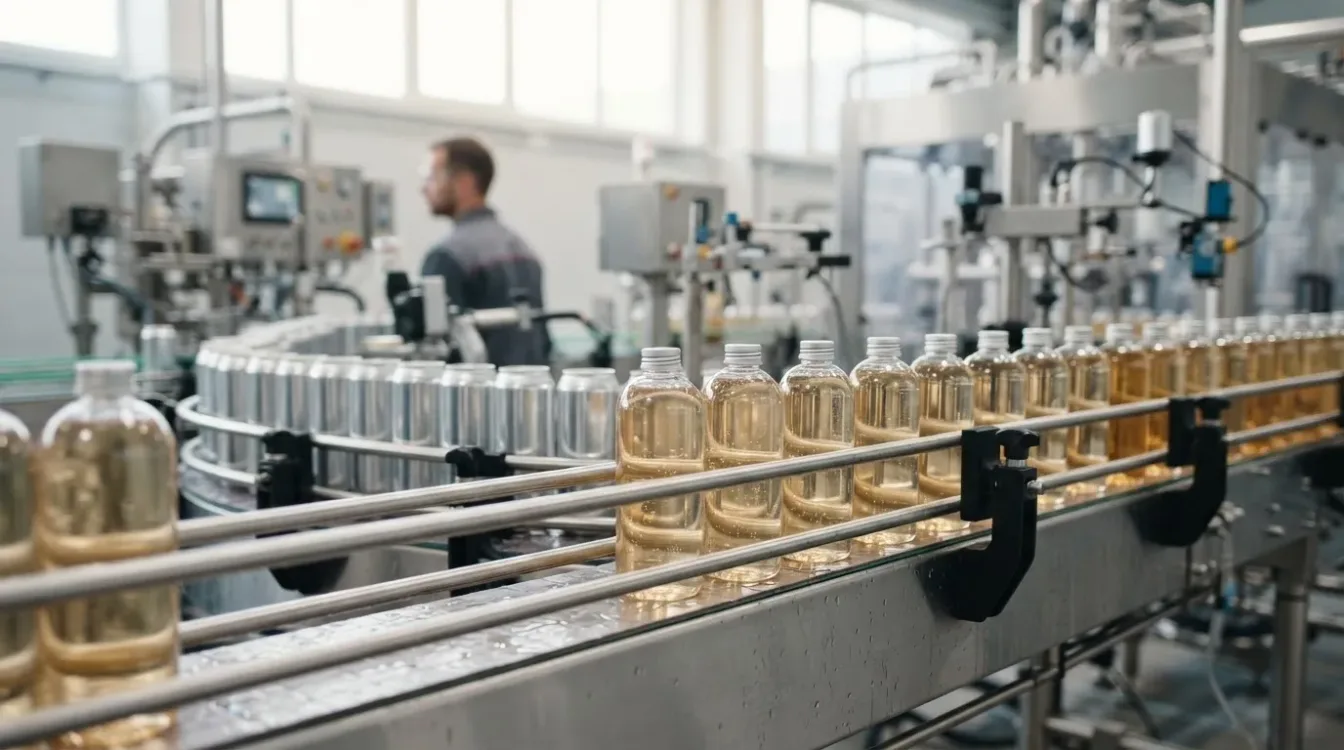
Lightweighting remains a primary strategy for reducing transport emissions and material consumption. Aluminium packaging has historically achieved significant mass reduction through advanced wall-ironing techniques, resulting in thin, rigid walls that withstand internal pressure. On the other hand, the PET can offers unique advantages in mass optimization because polymer distribution can be precisely controlled during the stretch blow molding process. This allows manufacturers to tailor wall thickness to specific product requirements, whether packaging still water or carbonated beverages.
Recycling Infrastructure and Material Recovery
End-of-life processing heavily influences the overall sustainability footprint of any packaging format. Metal recycling systems are globally mature, allowing aluminium to be melted down repeatedly without losing its core mechanical properties. Polymer recovery has also advanced significantly, with dedicated sorting facilities capable of processing clear and colored containers efficiently. Both materials fit into circular economy models, though the specific infrastructure varies by geographic region.
Key Production Considerations
When selecting between these two packaging formats, producers must analyze several operational factors:
- Filling line compatibility and conversion costs for existing equipment
- Barrier properties required to protect product shelf life against oxygen and light
- Consumer perception of touch, transparency, and tactile experience
- Supply chain resilience and raw material price volatility
Balancing Sustainability Goals
Ultimately, the choice between metal and polymer containers depends on specific brand priorities and distribution models. While metal provides permanent recyclability, polymers offer design versatility and complete product visibility. By carefully assessing lightweighting potential and local recovery streams, producers can optimize their packaging strategy for long-term operational success.
The post PET Cans vs Aluminium Cans: What Producers Should Know About Recyclability and Lightweighting appeared first on Happy Eco News.