Saving Bees From Pesticides and Habitat Loss: Three Steps That Work
Happy Eco News Saving Bees From Pesticides and Habitat Loss: Three Steps That Work
Reading Time: 3 minutesSaving bees from pesticides and habitat loss is possible, and everyday choices make a real difference. Find out how gardens, petitions, and protected land help.
Saving bees from pesticides and habitat loss is possible, and the plan is already clear. Conservation groups say the work comes down to three actions.
First, protect the bee habitat that still exists. Second, add new habitat by planting pollinator-friendly plants in gardens and on public lands. Third, end the worst uses of the pesticides that harm bees.
Why does this matter so much? Bees move pollen from flower to flower, helping plants produce fruit and seeds.
Around the world, bees pollinate 75% of food crops. That is three out of every four crops. Wild plants lean on bees even more, with 90% of flowering species depending on them.
Imagine walking past ten kinds of wildflowers. Nine of them would need bees to reproduce. Losing bees would change both our meals and our landscapes.
The problem is growing. As society uses more pesticides, bee populations are plummeting. Pesticides are chemicals made to kill pests, but they can also harm bees.
Environment America and its state groups, including Environment Georgia, are pushing for change. One campaign asks Amazon to stop selling bee-killing pesticides. Another asks the U.S. Environmental Protection Agency (EPA) to ban the worst uses of these chemicals.
A third petition asks the EPA to pause glyphosate, a common weed killer, until it is proven safe. Each petition gives the public a direct way to push for change. Those voices matter for saving bees and their habitat.
Large retailers influence which products reach home gardens. Asking them to drop bee-killing pesticides targets the problem at its source. That makes it easier for everyone to save bees from pesticides and habitat loss.
Pesticide concerns reach beyond bees. The group also tracks neonicotinoids, a widely used class of insecticides that kill insects. They have also raised concerns about harm to freshwater species.
Habitat is the other half of the story. Bees need safe places to find food and shelter. Protecting the land they already use comes first.
Habitat loss means fewer flowers to feed on and fewer places to nest. When bees lose food and homes, whole colonies struggle. That is why saving bees from pesticides and habitat loss must go hand in hand.
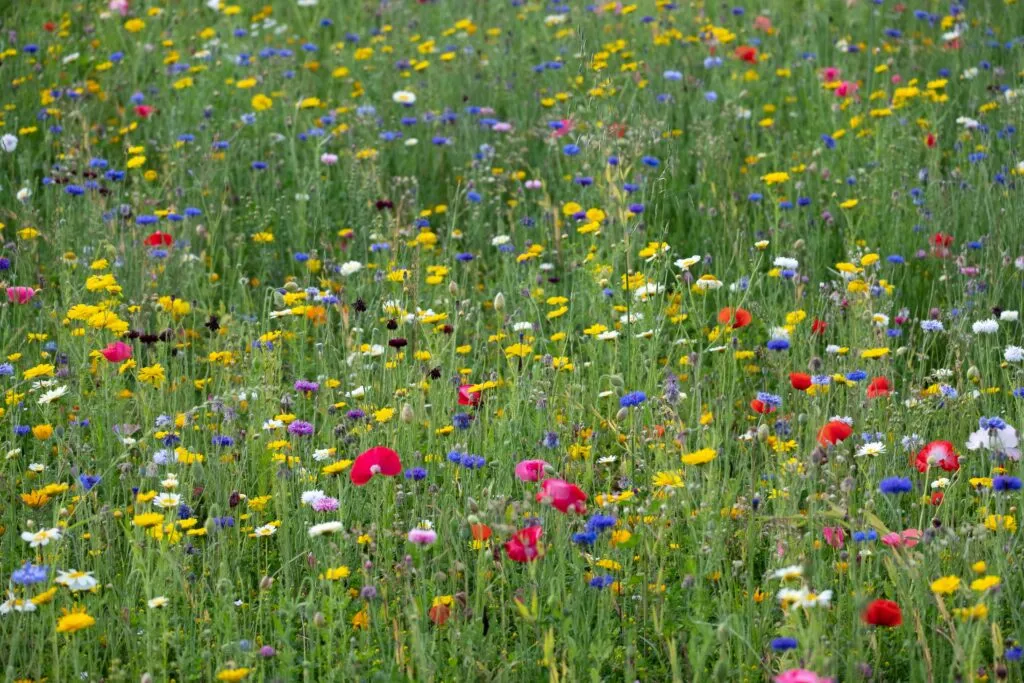
Saving bees from pesticides and habitat loss must go hand in hand, since fewer flowers to feed on and fewer places to nest cause whole colonies to struggle, making protection of the land bees already use the first priority. Photo by Francesco Ungaro on Pexels.
Recent updates from the group highlight habitat protection for the rusty patched bumblebee. They also point to roadsides as places where pollinators can thrive. These projects show how saving bees from pesticides and habitat loss can happen close to home.
Learning is part of the solution too. The group offers a recorded Save the Bees web-bee-nar, which is an online presentation. Another article explains where bumblebees go in winter and how people can help them.
Small efforts build on each other. Each new patch of flowers gives bees another place to feed. Each product you buy instead of one from a shelf lowers the risk they face.
Research matters as well. The group urges protection of the U.S. Bee Lab, which works to save bees. Science helps people choose the right steps.
Speaking up for saving bees from pesticides and habitat loss takes only a few minutes. The group invites people to add their names to its Amazon and EPA campaigns. Public pressure shows companies and agencies that many people care about bees.
Anyone with a garden can add habitat. Pollinator-friendly plants give bees food nearby. Public lands can help too. Some states already have policies to protect pollinators, and the group has published a snapshot of those actions. Gardeners can also think twice before buying bee-killing pesticides.
A single garden may seem small. Even a window box or a pot on a front step can serve pollinators. Together, these spaces give bees more places to feed across neighborhoods and cities.
Each person has a role in saving bees from pesticides and habitat loss. Homeowners can plant flowers and shoppers can ask stores to change what they sell. Anyone can sign a petition and share what they learn with neighbors.
See also: Peru Grants Legal Rights for Stingless Bees in Global First
Bees support the food on our plates and the wild plants around us. The tools to protect them already exist. Will you plant a garden, speak up, or do both?
Saving bees from pesticides and habitat loss starts with small choices. It becomes a real change when many people make them.