The Walkable Traveler: Discovering Philadelphia’s Greenest Neighborhoods on Foot
Happy Eco News The Walkable Traveler: Discovering Philadelphia’s Greenest Neighborhoods on Foot
Reading Time: 3 minutesThe Walkable Traveler: Discovering Philadelphia’s Greenest Neighborhoods on Foot
There’s a moment on most city breaks when you realise you’ve spent more time getting between places than actually enjoying them. You’ve waited for a taxi, sat in traffic, arrived somewhere only to discover it’s a ten-minute walk from where you were half an hour ago.
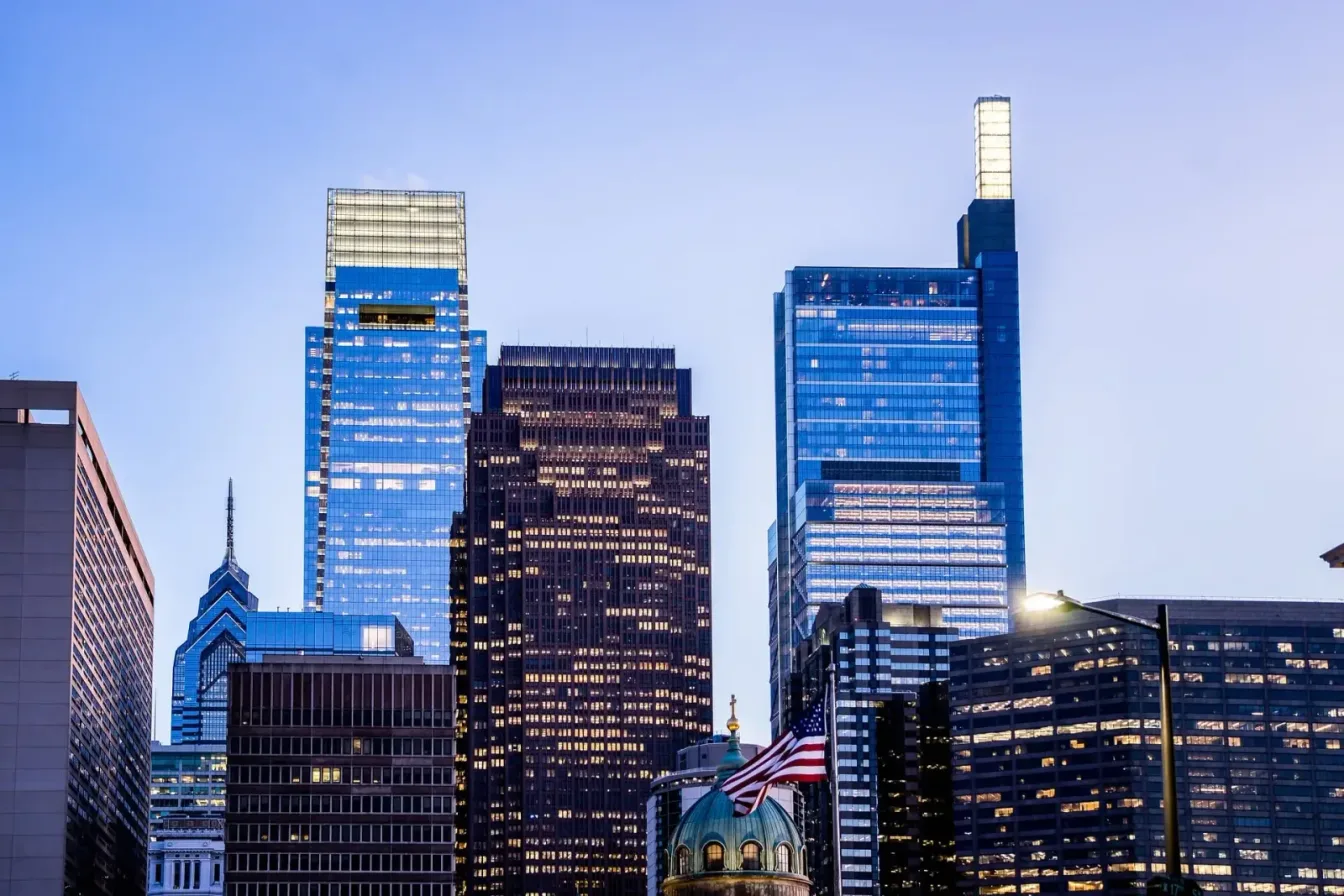
It’s enough to make you wonder why you bothered with the car in the first place. Philadelphia is a city where I’d be inclined to leave it behind.Not everywhere is within walking distance, obviously, but a surprising amount of the central area is. The streets are laid out in a fairly straightforward grid, and there’s plenty to see without travelling particularly far.
I’d probably start somewhere around Independence Hall, partly because it’s one of those places you feel you ought to visit, and partly because the surrounding streets are worth a look in their own right. From there, Reading Terminal Market isn’t too far away.
I wouldn’t bother making elaborate lunch plans. With that many food stalls under one roof, you’re almost certain to find something you fancy, although deciding what to eat might take longer than expected. Afterward, you could head towards Rittenhouse Square.
I rather like the idea of a park that doesn’t try too hard to be an attraction. Rittenhouse is simply a pleasant place to sit for a while, with trees, benches and people going about their day. Somebody’s reading a book. Somebody else is walking a dog that clearly has no intention of going home yet. Meanwhile, the surrounding streets are full of shops, restaurants and apartments.
It feels like a proper part of the neighbourhood rather than somewhere created exclusively for visitors. Philadelphia has quite a few green spaces like that, although some are much smaller. Community gardens are particularly interesting. You might find one occupying what was once an empty lot, with vegetables growing in raised beds and a few chairs tucked into a corner. They aren’t necessarily places you’d travel across the city to visit. But coming across one while walking through a residential neighbourhood is rather lovely.
And they tell you something about the people who live there.
I’d also make time for South Philadelphia.
East Passyunk Avenue has the sort of mixture I enjoy: independent shops, restaurants, cafés and ordinary residential streets just around the corner.
You can wander without feeling you’re missing some major attraction because you haven’t followed a particular route.
The nearby Italian Market area is worth including too, especially if you like looking around food shops.
I’d probably end up buying something completely impractical to carry around for the rest of the afternoon.
One thing I wouldn’t do is try to squeeze all of Philadelphia into a single walking itinerary.
It’s a sizeable city, and there’s no prize for finishing your holiday with sore feet.
SEPTA’s buses, trolleys and trains make it possible to cover longer distances without needing a car, which is useful if you want to explore beyond the central neighbourhoods.
Where you stay can make the whole thing easier or considerably more annoying.
I once heard somebody describe a hotel as being ‘only twenty minutes from everything’, which sounds wonderful until you realise they meant twenty minutes by car.
For a trip focused on walking, I’d be looking at the actual streets around the accommodation. Is there somewhere nearby for breakfast? Can you reach a park without crossing several major roads? How far is the nearest transit stop?
Those details matter more to me than whether the apartment has an especially impressive television.
One of the most effective ways to practice eco-friendly travel is reducing reliance on automobiles during city visits. Philadelphia’s grid layout makes it one of the most pedestrian- and transit-friendly cities in North America, allowing visitors to walk from historic landmarks to local farmers’ markets with ease. Choosing a neighborhood rental situated near public transportation hubs and neighborhood parks allows travelers to experience authentic community life while keeping emissions low. Rather than juggling multiple booking platforms, smart travelers use independent meta-search portals to find well-located accommodations. Exploring Philadelphia vacation rentals via cozycozy gives travelers real-time access to available townhomes, lofts, and historic suites across every major rental portal, making it effortless to lock in a sustainable home base.
I’d check the final booking details separately, particularly the exact location and any additional charges. Of course, there’s an environmental benefit to doing more of a city break on foot.
Fewer car journeys generally mean fewer transport emissions, and using public transport for longer trips can help reduce your reliance on taxis or a hire car. But I wouldn’t spend the whole weekend thinking about my carbon footprint.I’d be thinking about where to get another coffee, whether there’s time to explore one more street and why I hadn’t left myself longer at the market.
That’s probably what makes walking such a good way to experience Philadelphia. You get to see the famous buildings, but you also spend time in the places between them. The little gardens, the corner shops, the streets where nothing especially remarkable is happening.And sometimes those are the bits you remember most.
The post The Walkable Traveler: Discovering Philadelphia’s Greenest Neighborhoods on Foot appeared first on Happy Eco News.