Chinese scientists seek to reduce silver consumption in copper–silver metallization pastes
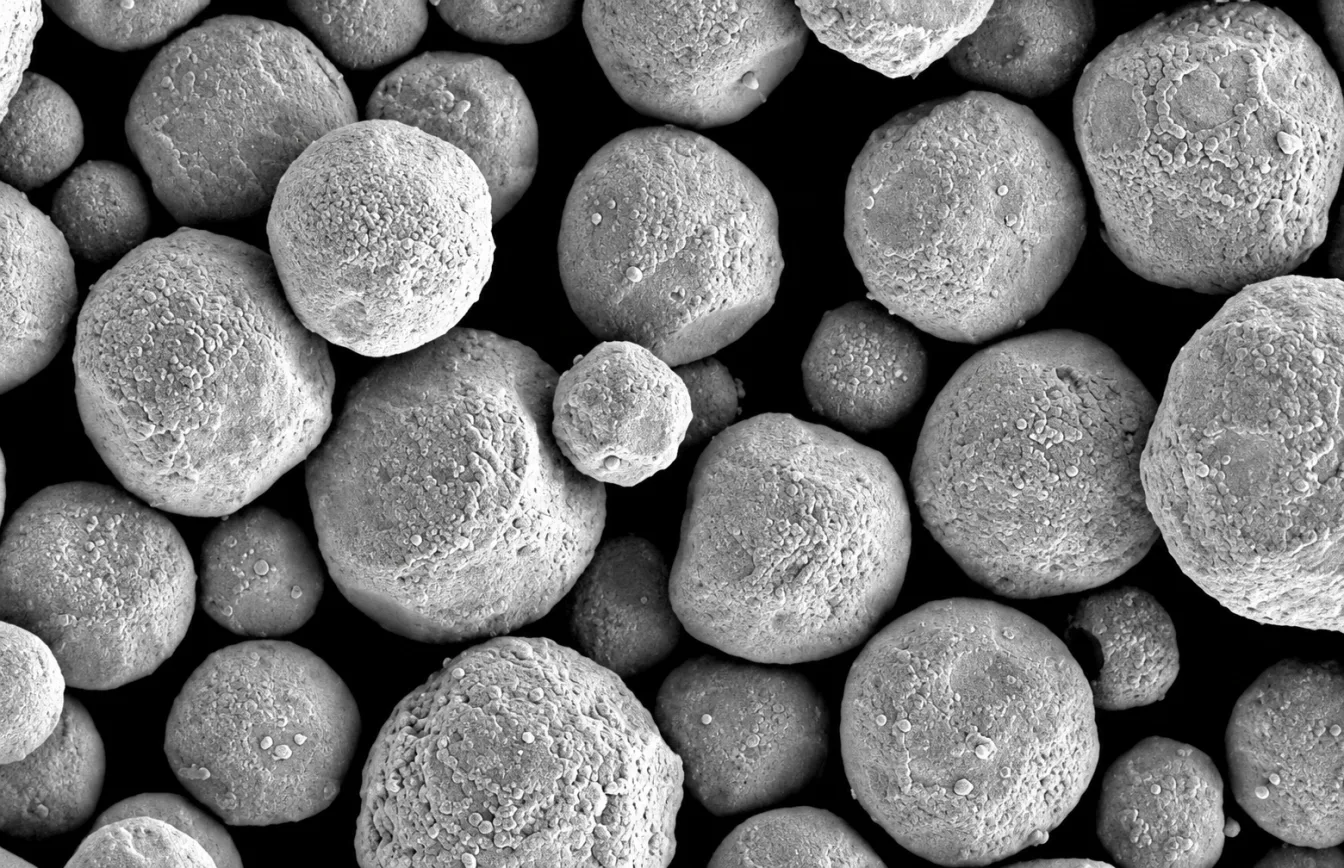
Researchers at Central South University in China have investigated how the surface-protrusion density of silver-coated copper (Cu@Ag) powder particles affects the rheological properties and electrical conductivity of conductive pastes, aiming to develop high-performance, low-temperature conductive pastes without the addition of silver (Ag) nanoparticles.
The large-scale industrial adoption of Cu@Ag pastes remains relatively limited compared with conventional Ag-based formulations, mainly due to challenges involving long-term stability, oxidation resistance, processing conditions, and electrical reliability. Improving the performance of Cu@Ag pastes through particle surface engineering could therefore support their broader industrial adoption.
“Silver-coated copper core–shell powders have gained significant attention as promising alternatives to pure Ag fillers due to their lower cost, excellent electrical conductivity, and improved oxidation resistance provided by the protective Ag shell,” corresponding author Minggang Li told pv magazine.
The researchers focused on the influence of surface-protrusion density on the rheological behavior and electrical conductivity of Cu@Ag conductive pastes containing just 17 wt% Ag. They synthesized Cu@Ag powders with low, medium, and high surface-protrusion densities by adjusting the addition rate of silver nitrate (AgNO₃) during the coating process.
Scanning electron microscopy (SEM) was used to characterize particle morphology and quantify surface protrusions. The resulting pastes were screen-printed onto polyethylene terephthalate (PET) substrates and cured at 200 °C for 15 minutes. Rheological measurements showed that all formulations exhibited shear-thinning behavior, while higher protrusion densities led to a significant increase in viscosity.
Higher protrusion densities also improved thixotropic recovery, with the final recovery ratio rising from 72.1% to 83.2%. In addition, the linear viscoelastic region expanded from 11.96 Pa to 23.34 Pa, indicating greater structural stability and resistance to shear-induced deformation.
The researchers attributed these improvements to stronger interparticle interactions promoted by the roughened particle surfaces. Electrical measurements also revealed a progressive reduction in bulk resistivity as protrusion density increased, reaching 0.72 × 10⁻⁴ Ω·cm for the high-protrusion-density paste. The improvement was potentially linked to more effective conductive contacts between particles during curing.
Notably, these improvements were achieved without adding extra nano-Ag particles. The findings suggest that surface-protrusion engineering could provide an effective strategy for improving the printability, structural stability, and electrical performance of low-silver Cu@Ag conductive pastes for photovoltaic applications.
“Since no additional nano-Ag was incorporated into the paste, combining surface-protrusion engineering with reduced nano-Ag loading in practical applications offers a promising and flexible strategy for lowering silver consumption and associated material costs in photovoltaic conductive pastes,” Li concluded.
The findings are presented in the study “Surface-protrusion engineering of Cu@Ag core–shell fillers for low-silver photovoltaic conductive pastes,” published in Materials Letters.
The post Chinese scientists seek to reduce silver consumption in copper–silver metallization pastes appeared first on pv magazine Global.