BTG Pactual Empresas’ Rogério Stallone on API-First Banking
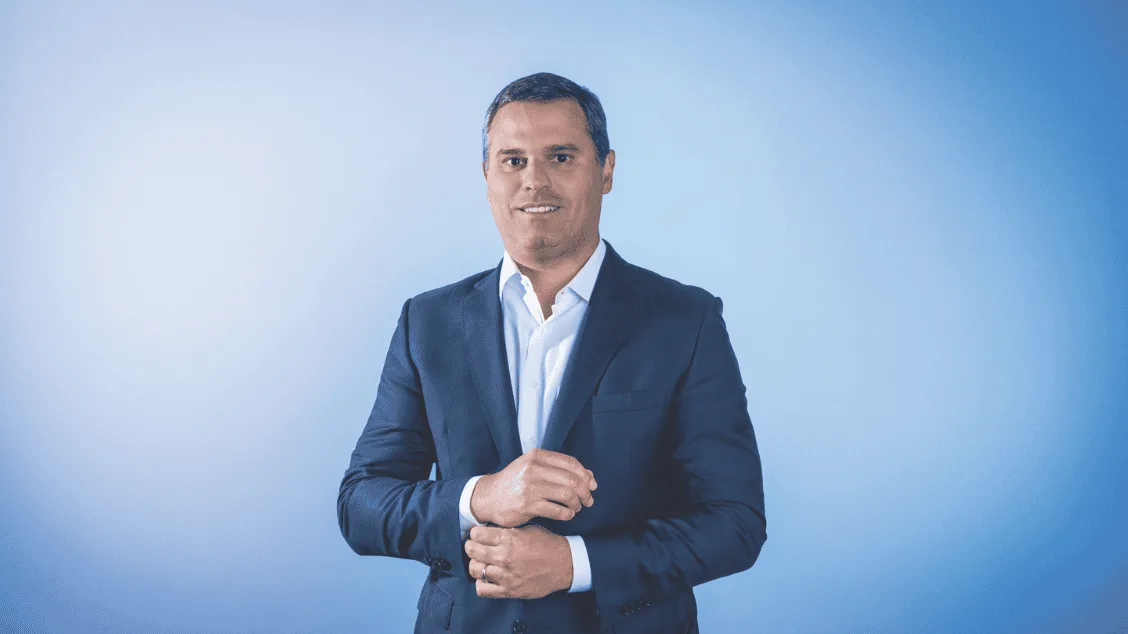
Rogério Stallone, corporate credit partner and co-head of BTG Pactual Empresas—the World’s Best Bank for SMEs 2026—wants smaller companies to have access to the same tools and expertise large corporates have. Its API-first platform lets clients embed banking in their own systems. The platform opens about 90% of new business accounts in under five minutes. It also reaches underserved segments such as women-owned SMEs and rural first-time borrowers. Stallone discusses profitability, technology, and the São Paulo-based bank’s “glocalization” strategy.
Global Finance: BTG Pactual Empresas says it offers SMEs the same level of services it provides to larger clients. How is it possible to do this without sacrificing profitability?
Rogério Stallone, Corporate Credit Partner and Co-Head of BTG Pactual Empresas: We combine two capabilities that are deeply embedded in BTG Pactual. The first is the expertise we have built over decades designing customized financial solutions for large corporate clients. Rather than creating a simplified banking proposition for SMEs, we bring that same product design process and expertise—across credit, payments, foreign exchange, and cash management—to smaller companies.
Technology is what makes this model scalable and profitable. Our digital, API-first platform automates onboarding, transactions, credit processes and servicing, and payments, allowing us to deliver corporate-grade capabilities to a much broader client base without a proportional increase in cost.
GF: What is your approach to technology, as it applies to SMEs?
Stallone: Our approach is to build SME banking around technology, rather than simply digitize traditional banking processes. BTG Pactual Empresas is digital by default, with a cloud-native, API-first architecture that allows clients to integrate banking directly into their own systems and workflows. This includes real-time APIs, ERP integration, and no-code automation that help companies automate treasury, payments, collections, and reconciliation with much greater efficiency.
Just as important, our business and technology teams work as one integrated unit. They sit side by side, share the same business challenges, and design solutions together from the outset, rather than treating technology as a support function.
GF: Do you adapt your SME strategy to regional differences as you expand into new markets?
Stallone: Our approach is based on what we would describe as “glocalization.” We leverage the components of our platform that can work across multiple geographies to increase scalability and speed of deployment. This allows us to reuse proven capabilities across markets, rather than rebuilding the bank from scratch in each country.