The Big Three Investment Banks Feed Hedge Funds’ AI-mbitions
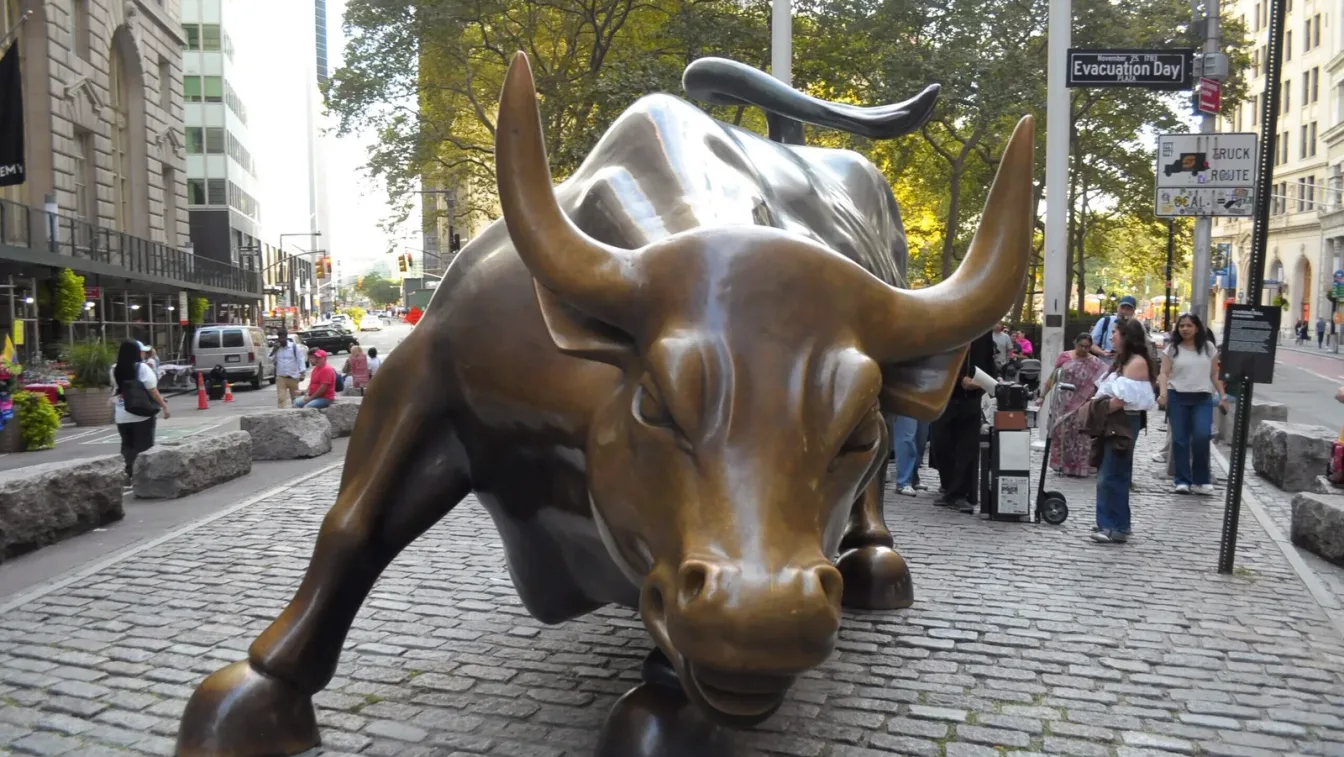
Feeling guilty about not meeting 2026 goals? Don’t look at Wall Street. The five biggest investment banks have already beaten last year’s record for equity trading revenue by about $7 billion, a CNBC analysis found.
Three of them — Goldman Sachs, JPMorgan Chase and Morgan Stanley — hauled in $52 billion of the top five’s $67 billion in equities revenue through September, nearly 80% of the total. Goldman Sachs is leading the pack: Its equities revenue grew 57% this year to more than $19 billion, edging out Morgan Stanley (~$17 billion) and JPMorgan (~$15 billion). Bank of America’s and Citigroup’s totals meanwhile were in the single digits.
Looser leverage rules are helping banks do more business with hedge funds, which are looking for new funding to finance their AI bets.
Insatiable Hedge Funds
Hedge funds are hungry for financing, making prime brokerage big biz for banks. Goldman Sachs saw equities financing surge 96% last quarter. JPMorgan CFO Jeremy Barnum said in the company’s third-quarter earnings call that one analyst’s point about “insatiable demand for capital” felt about right to him.
That appetite could be a cause of concern. Too much leverage could make an AI bust, if one comes, swift and severe:
- Hedge fund assets grew to $13 trillion earlier this year, the International Monetary Fund estimated this month, up from $4 trillion in 2013. Most of that growth came from leverage, which the IMF warned could make markets more volatile under stress. JPMorgan CEO Jamie Dimon told CNBC in August that margin debt was the highest it’s ever been, pointing in part to hedge funds and prime brokerage.
- Hedge funds did pare back some leverage last week, dumping tech stocks at the fastest pace in at least a decade, according to Goldman Sachs. Their net leverage hit a one-year low. Still, tech made up nearly a quarter of what Goldman’s hedge fund clients held as of Oct. 15.
Too Big To Care: Hedge funds are well aware of the risks associated with leverage. The collapse of Situational Awareness this summer showed what happens when leveraged bets go sideways. Its highly leveraged AI trades blew up during July’s chip-stock rout, and other smaller hedge funds struggled alongside it. The banks that funded those trades could handle the hit. A full-blown AI bust could be a different story, but so far, the pain has largely stayed on the hedge funds’ side.