Businesses face ‘sharpened scrutiny’ on cyber policies after fridge hacks
Insurance underwriters will scrutinise businesses’ technology more closely when pricing future cyber policies following the wave of recent cyberattacks on European supermarkets.
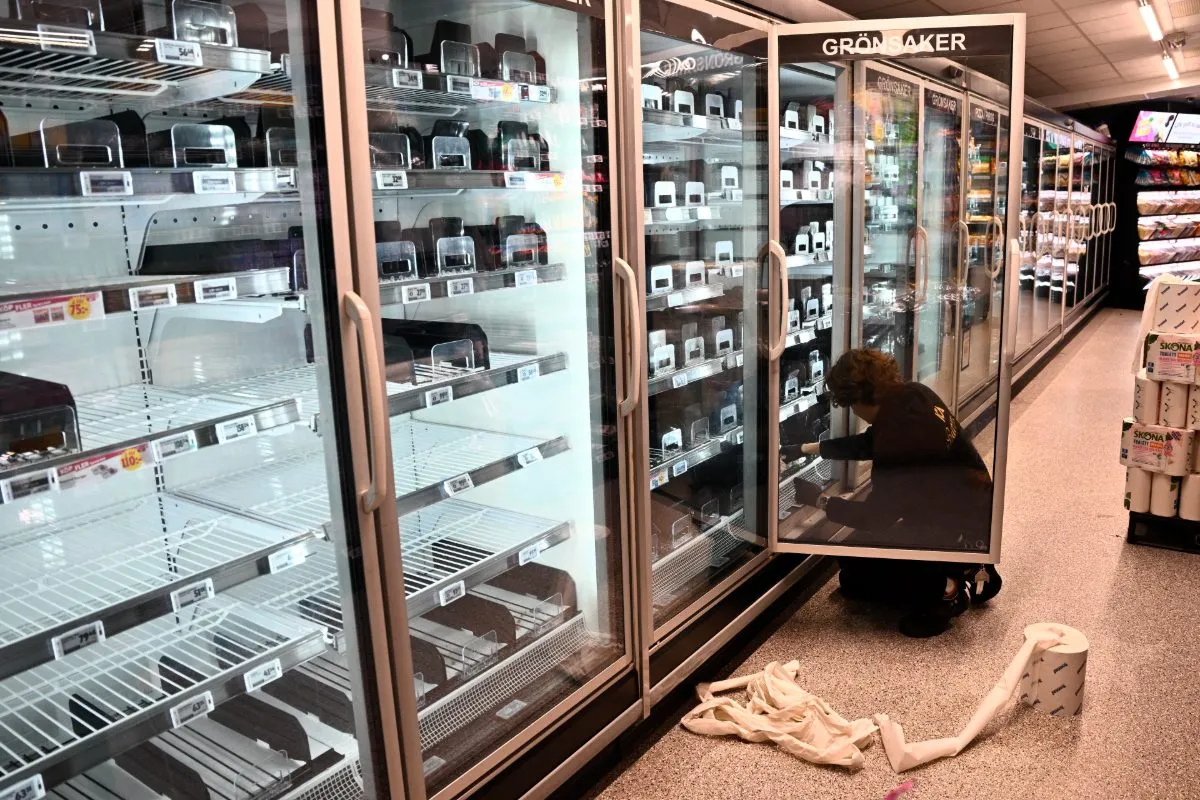
The attacks, which forced retailers in Sweden, Belgium, and Ireland to throw away large quantities of fresh and frozen food after refrigeration systems were switched into defrost mode, and affected a wave of British food suppliers, prompted warnings that outdated technology is leaving the UK’s food supply chain exposed.
The National Cyber Security Centre (NCSC) confirmed on Tuesday that vulnerable refrigeration technology had been exploited in a small number of incidents in Britain, after hackers remotely manipulated supermarket fridge temperatures across several European countries.
Eddie Lamb, global head of cyber at specialist insurance firm Hiscox, told City AM the firm expects events like this will “sharpen underwriting scrutiny of operational technology” businesses are using.
“It isn’t necessarily about disconnecting everything from the internet, because remote connectivity often serves a legitimate business purpose. But it is about making sure connected equipment is properly secured, patched and segmented from other systems, with strong access controls and a clear understanding of which third parties can connect to it,” Lamb said.
He added insurance policies covering cyber and property risk “have historically been designed around different types of loss”, so businesses “should not assume that every consequence of a cyber-physical event will automatically fit neatly within one policy.”
In a speech on Tuesday, Richard Horne, chief executive of the NCSC, warned that “for decades” the UK has “collectively got away with doing tech on the cheap”, but urged action is needed to ensure technology can tackle modern cyber threats.
Cyber ‘at top of mind’ for insurance market
Rob Kemp, chief executive of commercial risk at insurance brokerage firm Aon UK, told City AM the attacks “are a powerful reminder that cyber risk no longer sits neatly within IT”, and they can quickly become financial loss for firms.
“Cyber is at the top of mind for risk managers,” Kemp said, adding that Aon is “spending a huge amount of time” with clients, helping them “understand the financial impact of a cyber attack, to then help them make decisions” on what insurance cover to buy.
This comes as the cyber insurance market is already facing a turbulent time as a result of agentic AI hacks posing new challenges and threats. City AM reported in September that underwriters and insurers are considering limiting coverage until they can quantify the risk this tech poses and price it.