Slow TV: Netflix’s Revenue Growth Comes In at Slowest Pace in Three Years
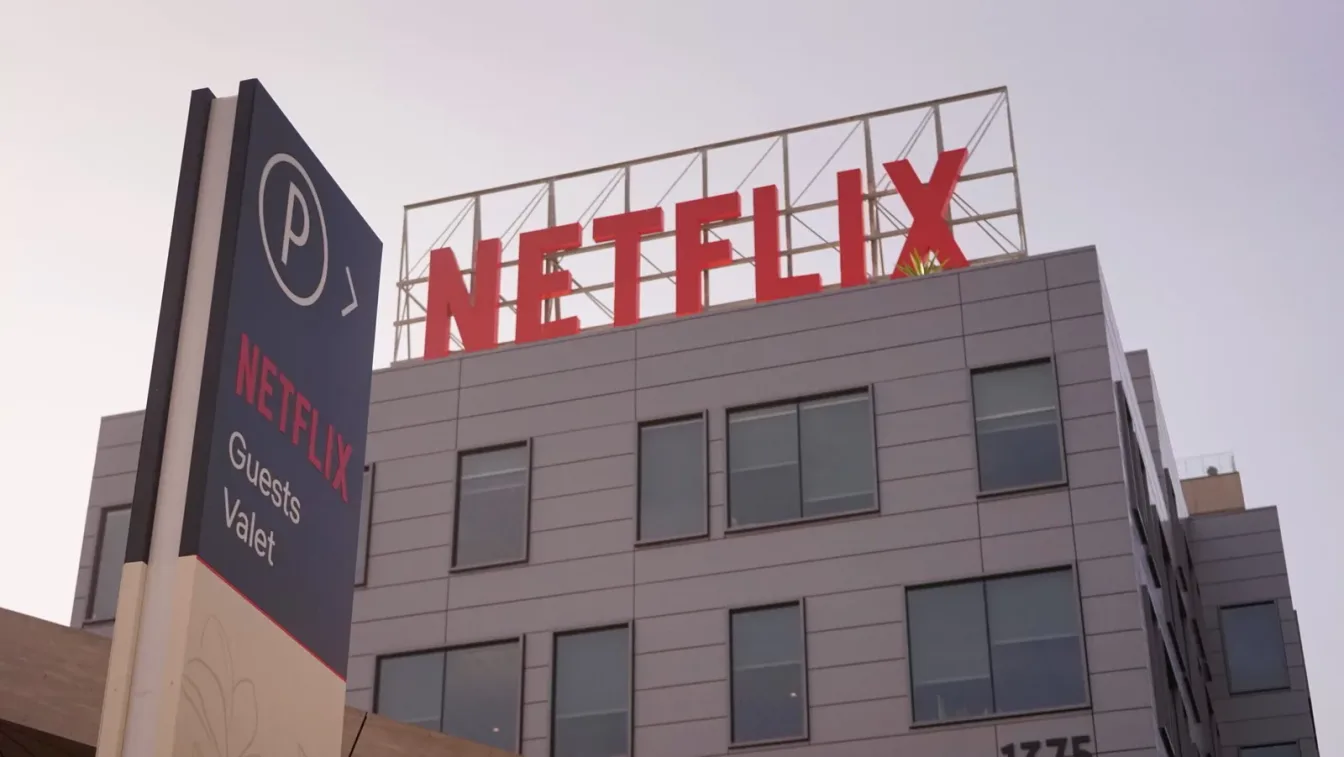
It’s practically Bridgerton in the C-suite over at the world’s largest online TV network lately. Between losing its Warner Brothers takeover bid and defenestration of top content executives, Netflix entered Tuesday with more over-the-top subplots than a Regency-era costume drama.
The company’s third-quarter results are unlikely to flip the script. While earnings beat and revenue was in line with Wall Street’s expectations, slowing revenue growth and a subdued outlook appeared to solidify investors’ bearishness (or BoJack Horseman-ishness, in this case).
Only as Good as Your Last Hit
Netflix is still the streaming industry king of the hill (not “King of the Hill,” that’s on Hulu, Bobby). Its 325 million subscribers place it leagues ahead of silver and bronze contenders Amazon Prime Video and Disney+, which have around 200 million each. It’s also reliably profitable and subscriber churn, the key industry metric, is a best-in-the-business 2%, according to data provider Antenna. In other words, the concerns of the last 12 months, which saw Netflix shares tumble 44%, are not about foundational strength.
Investors are worried about how it grows now. Netflix’s share of US television viewership fell from 8.8% in July 2025 to 7.8% in July this year, according to Nielsen’s The Gauge. Leader YouTube’s share rose from 13.4% to 14.2% in that time. The Wall Street Journal reported Tuesday that co-CEO Ted Sarandos has grumbled about US viewers tuning in less and noted that new hit shows, like the plot of 80s period piece “Stranger Things,” seem like a thing of the past. He has advocated for a redoubling of efforts towards the core TV and film business, the paper said.
The last week has set the stage for a major overhaul. Roughly 1,000 employees, or 6% of Netflix staff, have been let go. Head of content Bela Bajaria was replaced by Peter Rice, a former Disney and Fox executive who now oversees the company’s $20 billion film and TV budget. Head of film Dan Lin, a star Hollywood producer when he joined the company three years ago, was sent packing days later. Rice and Lin’s replacements will have their work cut out for them:
- While revenue grew 12% year over year in the third quarter to $12.9 billion, it represented the lowest quarterly percentage gain in three years. Profit jumped 44% to $3.6 billion, mostly thanks to the timing of expenses.
- Netflix narrowed its 2026 revenue guidance to $51.1 billion, which is at the low end of its previous forecast, and said it expects advertising revenue of $2.7 billion, compared to a previous $3 billion estimate. It also projected fourth quarter revenue of $13.4 billion and profit of $2.8 billion, both below Wall Street estimates.
In after-hours trading, Netflix shares were down 5.8%. “We know there’s some investor concern about our view hours growth,” wrote Sarandos and co-chief Greg Peters in a letter to shareholders.
No Fun and Games: Efforts to diversify away from Netflix’s bread-and-butter core streaming business have proven a mixed bag. The Journal, for example, reported that only 3.5% of subscribers play games on Netflix and that its gaming division is 10% off its annual engagement targets.
The post Slow TV: Netflix’s Revenue Growth Comes In at Slowest Pace in Three Years appeared first on The Daily Upside.