The Hormuz shipping attacks nobody is counting: inside the US Navy’s go-dark guidance
Hormuz attack counts are a floor, and a US Navy FAQ may help explain why
The official tally of attacks on shipping in the Strait of Hormuz is incomplete, and the body that compiles it says so. In its weekly overview on 16 October, the UK Maritime Trade Operations centre (UKMTO) said it was struggling to establish the true number of attacks because the majority of vessels targeted were refusing to report to it. It recorded 12 attacks that week, ten of them inside the Strait, with one vessel lost. It added that it knew of further incidents through other sources but could not include them without verification.
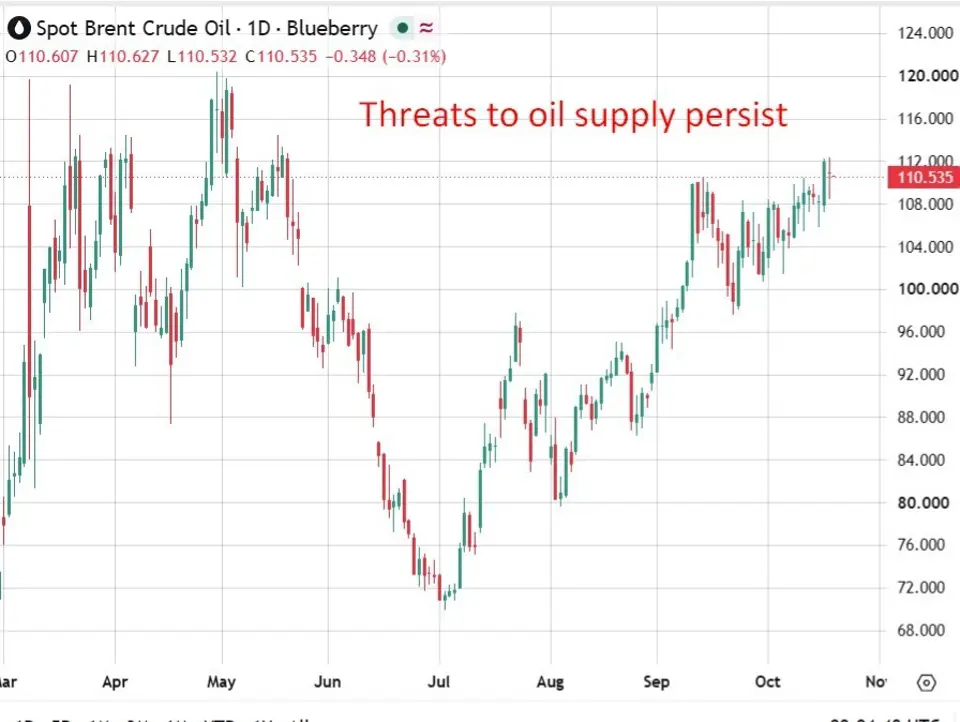
For oil traders, that matters more than any single weekly figure. Freight rates, war-risk premiums and assessments of supply risk all lean on these counts. If most attacked ships are staying silent, the published number is a minimum, not a measure.
Why ships might stay silent
Shipowners have obvious commercial reasons to keep quiet, including insurance complications, exposure with their flag state and sensitivity about routing. But a less noticed document may also be part of the picture.
A US Navy FAQ for shipping companies, highlighted in a post on X by the account @angertab, sets out how the Navy supports transits on the southern route through the Strait. It was issued by the Naval Cooperation and Guidance for Shipping (NCAGS) cell at US Naval Forces Central Command (NAVCENT), the unit that liaises with merchant ships. Copies are posted on the website of the Liberian ship registry and on that of a Turkish shipowners’ and agents’ association.
The FAQ makes clear how limited that support is:
- What the US provides: airborne overwatch, intelligence and surveillance, and threat response, plus recommended waypoints and transit windows.
- What it does not provide: no US or partner vessels escort the ships, and no personnel board them.
- What ships are asked to do: turn AIS tracking off, keep radar on standby and stay silent on VHF radio, because emissions could be used for targeting.
- On reporting: asked whether the US would give operational security guidance covering crew phones, social media and reporting restrictions, the Navy says best practices will be recommended. It does not say what they are.
- After the transit: the FAQ says no post-transit debrief is required.
That combination is the point. A ship told to go dark during the transit, and not asked to report afterwards, has little procedural push to file an incident report with UKMTO.
The FAQ does not tell ships to stop reporting attacks. The “reporting restrictions” reference sits in a question about phones and social media, and could simply mean not broadcasting positions online. The document explains how silence could become the default. It does not prove that silence is policy.
A corridor that looks less safe than advertised
The FAQ also contains a reassurance that has aged badly. It says more than 200 transits had been completed with fewer than five successful attacks and no loss of life or vessels. According to the post, the file’s metadata dates it to 14 June, which is before Iran reimposed its blockade in mid-July.
The picture since then is very different. Reported UKMTO data shows that most projectile strikes since early July have hit the southern route, the corridor the US facilitates. October has brought the highest attack totals since the war began on 28 February. If that pattern is confirmed, the route offered as the safer option has become the main target zone, while the reporting that would show it is thinning out.
The post also says the file’s metadata points to an allied, non-US naval connection, suggesting the guidance passed through partner hands. investingLive has not verified this, and at most it shows who handled the file, not who wrote it.
What to watch next
- UKMTO’s next weekly overview: whether the share of unreported attacks grows, and whether it breaks down incidents by route.
- NAVCENT or NCAGS: any clarification of what “reporting restrictions” covers, or any updated guidance replacing the June figures.
- Insurance signals: war-risk premiums and any change to terms for southern-route transits, which would show whether underwriters are pricing in the undercount.
- Tracked transits: gaps between AIS-visible traffic and US-stated transit figures, which already diverge because facilitated ships run dark.
Practical takeaway: treat weekly Hormuz attack counts as a lower bound. When judging risk to Gulf supply, the direction of the numbers is more reliable than their level, and a quiet week in the data may not be a quiet week at sea.
This article was written by Eamonn Sheridan at investinglive.com.