Bank of England raises the Bank Rate to 4.00% as expected in a 9-0 vote
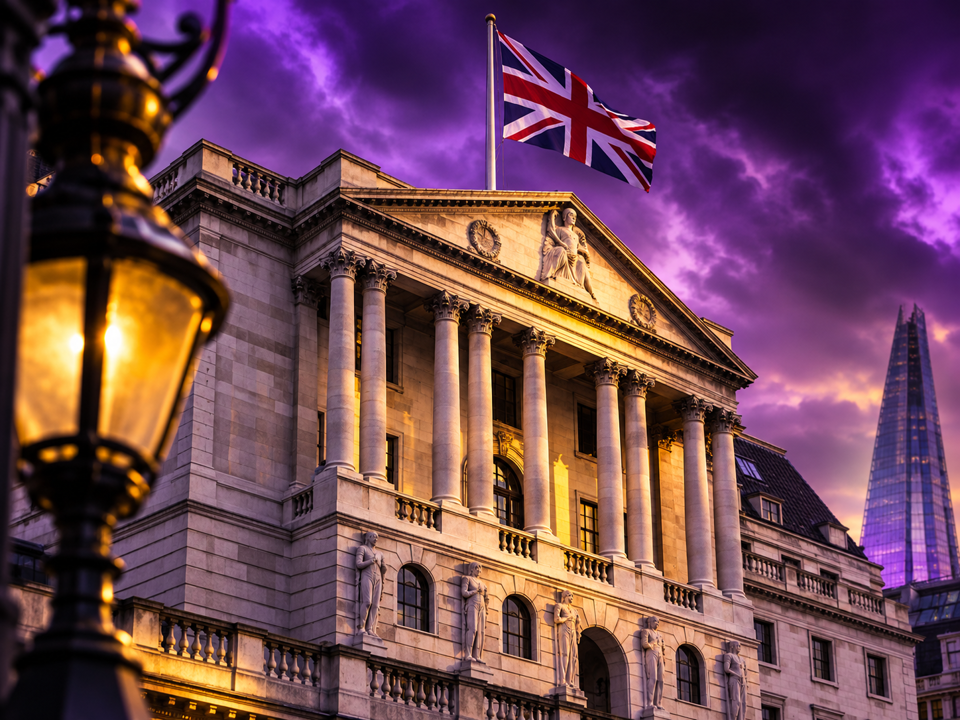
- Bank Rate at 4.00% as widely expected
- Prior was 3.75%
- Vote split 9-0 vs 7-2 expected
- One member voted to increase Bank Rate by 0.5 percentage points, to 4.25%
- UK CPI inflation increased to 3.5% in September. It is now expected to rise to around 5% by the middle of next year
- While the direct effects of higher energy prices are clear, and will continue to feed into firm and household energy bills, there remains limited evidence of knock-on effects on other prices and wages
- Activity data in recent months have generally been stronger than expected, adding to the case for modestly tighter monetary policy
- Monetary policy is not on a pre-set path
- The Committee will continue to assess the evidence at each meeting, in particular how likely high energy prices are to feed through to other prices and the economy more broadly, by monitoring the evolution of underlying pay, pricing behaviour, and slack
- The Committee will adjust Bank Rate as necessary to ensure CPI inflation returns to the 2% target in the medium term
- Full statement
The Bank of England raised interest rates by 25 bps to 4.00% as widely expected, as policymakers become increasingly concerned about the inflationary consequences of the conflict in the Middle East. The decision was supported by an 8-1 majority, with one member voting for a larger 50 bps increase to 4.25%.
The BoE noted that UK CPI inflation rose to 3.5% in September and is now expected to approach 5% by mid-2027, reflecting the continued rise in global energy prices. Although the direct impact on household and business energy bills is clear, the Committee stressed that there is still limited evidence of significant second-round effects on wages and other prices.
Nevertheless, policymakers judged that the inflationary pressures building in the pipeline were sufficient to warrant a rate increase. Stronger-than-expected economic activity data in recent months also added to the case for tighter monetary policy.
The BoE stressed that monetary policy is not on a pre-set path and that decisions will be made on a meeting-by-meeting basis. The Committee will pay particular attention to underlying wage growth, businesses' pricing behaviour and the degree of economic slack to assess whether higher energy costs are spreading into broader inflation. This suggests policymakers want to retain flexibility rather than commit to a prolonged tightening cycle.
However, the comments in the minutes showed a relatively hawkish debate within the MPC. Lombardelli and Pill see a case for further rate increases in the near term, with Pill suggesting that a single 25 bps hike is unlikely to be sufficient. Greene also indicated that additional increases will probably be required, while Mann warned that the economy is now operating in a more challenging environment for second-round inflation effects.
On the other side, Taylor and Dhingra viewed today's increase primarily as insurance against worse inflation outcomes. Governor Bailey added that part of the recent rise in market interest-rate expectations reflects higher risk premia rather than expectations of further policy tightening, arguing that current monetary conditions are broadly appropriate.
The BoE raised its 2027 GDP growth forecast to 1.3%, from 1.1% previously, while warning that economic activity is likely to weaken over the coming quarters. Unemployment is now expected to reach 5.1% in 2028, compared with 5.2% in the previous projections, while private-sector regular wage growth is forecast to remain relatively resilient, reaching 3.5% in Q4 2027.
Overall, today's decision signals that the BoE is increasingly concerned about the risk of energy-driven inflation becoming entrenched, but remains cautious given the limited second-round effects. Nevertheless, traders added to BoE rate hike bets and are now pricing a 50% chance of another increase in December.
You can follow the post-decision press conference below
This article was written by Giuseppe Dellamotta at investinglive.com.