Three questions that will define AI's political power
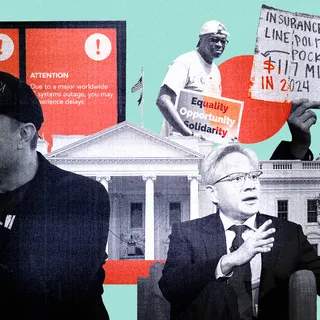
The 2026 midterms will offer the first test of voter sentiment on the AI race, offering a window into how a niche policy debate is transforming into a wedge issue ahead of a presidential campaign cycle.
Why it matters: The results will reveal whether explicitly campaigning on AI regulation—or aligning with tech moguls like Elon Musk—is a winning political strategy or a liability for 2028.
- One thing is already clear: Candidates increasingly can't afford to have half-baked AI agendas.
Here are three major questions about the future of AI politics and policy and the races we're watching on Election Day for answers.
1. Did AI break through?
A different kind of AI political spending has emerged in the midterms. Instead of supporting or opposing candidates based on their AI positions, some groups want to make AI policy itself a campaign issue.
- Guardrails Alliance, a pro-regulation advocacy group, recently launched ads targeting Republicans and Democrats over their positions on AI in Arizona, Montana, North Carolina and California.
- The organization backed Michigan Senate candidate Abdul El-Sayed, who said AI was the most important issue heading into Election Day, tying it explicitly to jobs and affordability.
- Democratic group Tomorrow Together also launched ads against Republicans' AI track record in Michigan, Wisconsin, Arizona and Pennsylvania.
- Meanwhile, competing AI groups Public First and Leading the Future spent more than $50 million through affiliated super PACs in nearly 50 races, but their TV and digital ads largely avoided the very issue they're trying to influence: AI.
These races could offer an early test of whether explicitly campaigning on AI is a viable political strategy heading into 2028.
2. Did Elon Musk help or hurt candidates?
Elon Musk's political spending, involvement in DOGE and ties to the Trump administration have made him both a powerful political backer and a target for Democratic attacks. He was the biggest donor in the midterms by far, contributing more than $400 million. Races we're watching include:
- Texas' 10th District: Republican Chris Gober, who represented Musk in connection with DOGE, faces Democrat Caitlin Rourk.
- Kansas' 1st District: Democrat Lauren Reinhold has leaned into her experience with DOGE, criticizing Musk's influence over the federal government in her challenge against Republican Rep. Tracey Mann.
- Ohio Senate: Republican Jon Husted has benefited from spending by Musk's America PAC in his race against Democrat Sherrod Brown.
- Texas Senate: Musk-affiliated spending has made the contest between Democrat James Talarico and Republican Ken Paxton another test of the billionaire's political influence.
These races could help answer whether Musk's money helped elect Republican allies or gave Democrats a useful target.
3. How loud will the AI safety movement be in the next Congress?
A handful of candidates aligned with stronger AI safeguards could help determine whether the next Congress has a more vocal bloc pushing back against the industry's efforts to limit regulation. Races we're watching include:
Michigan Senate: El-Sayed wants a new cabinet-level federal agency to regulate AI and a ban on super intelligence. He has used Musk's political involvement to attack Republican Mike Rogers, who has benefited from Musk-affiliated political spending.
- Colorado's 8th district: Democrat Manny Rutinel sponsored the nation's first comprehensive AI bill.
- California's 11th district: Democrat Scott Wiener's AI transparency legislation was at the center of a regulatory fight that divided the industry, offering a preview of battles in Washington.
- Minnesota's 2nd district: Democrat Matt Little would add another voice to the push to ban data center construction and non-disclosure agreements at the national level.
These are some of the races that will help determine the size and influence of the AI safety movement's congressional coalition, an important indicator of where the fight over AI regulation is headed in 2027 and beyond.
The bottom line: Many factors will shape the outcomes of races across the country. But competing AI factions will be quick to claim victories, explain away losses and draw lessons about what worked ahead of 2028.