USDA has no plans to probe death of hippo Fiona
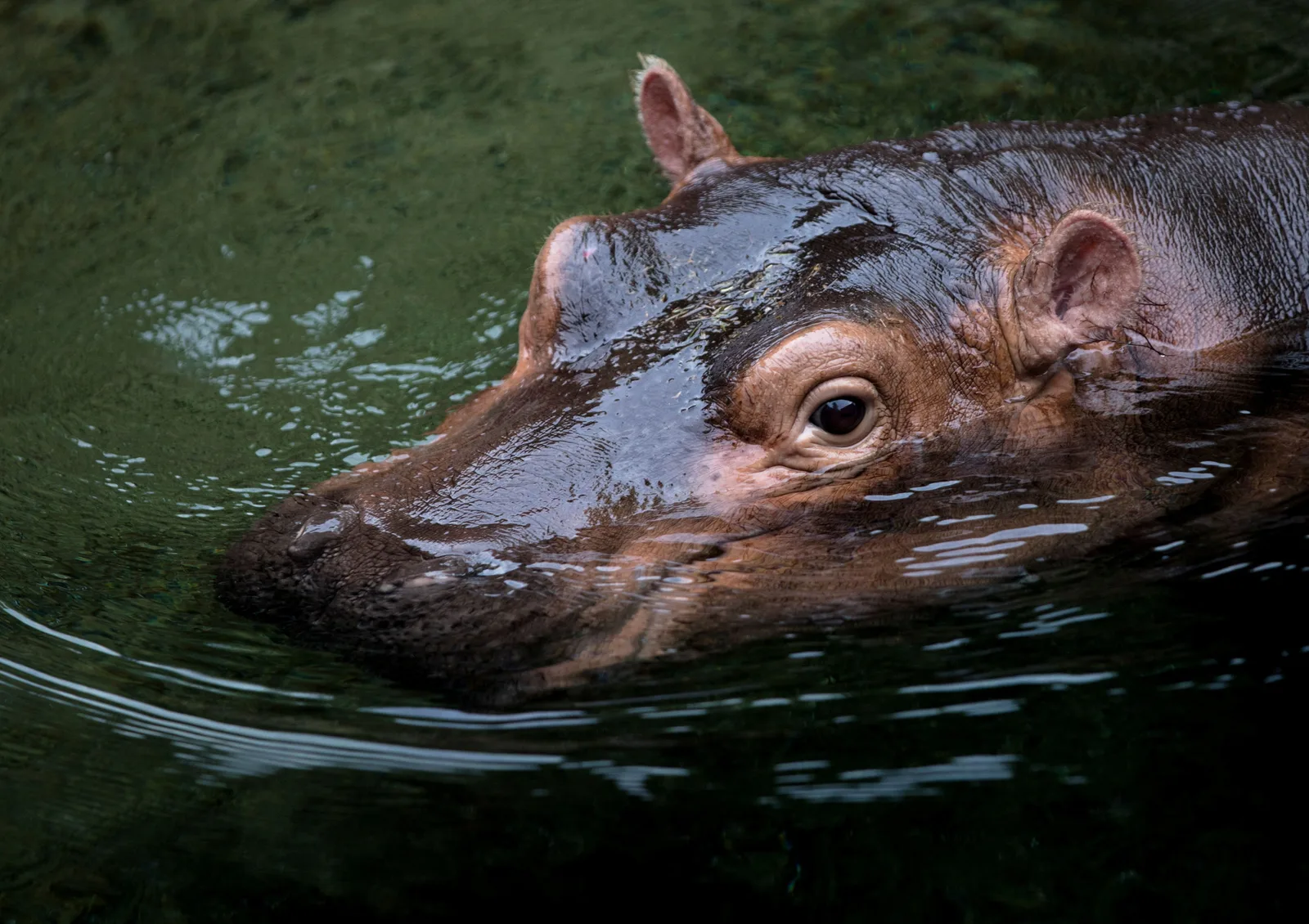
The USDA said it has not identified “any deficiencies” in the enclosure where Fiona the hippopotamus was housed and indicated it has no current plans to investigate circumstances surrounding her death, which has sparked public outcry.
“USDA conducts routine unannounced inspections to assess compliance with the Animal Welfare Regulations and Standards, and we will continue to do so,” the USDA said in a statement to Semafor when asked if the agency planned to investigate the hippo’s death. “We have not identified any deficiencies in the hippopotamus enclosure.”
The department also said that it has “no concerns about the quality of veterinary care that Fiona received.”
Fiona died after swallowing a hat that had been thrown into her enclosure. A necropsy found that the hat had lodged in her small intestine, causing her death.
Hippo Cove, Fiona’s enclosure at the Cincinnati Zoo, reopened Monday with additional protective measures intended to prevent a similar incident.
“Even though the habitat already met strict standards set by the AZA, we made some modifications to guard against something like this ever happening again,” said Cincinnati Zoo Director Dave Jenike. “We added a layer of netting above the viewing windows and, out of an abundance of caution, removed all ceiling fans in the area.”
2016 probe
The USDA has a history of investigating zoo animal deaths. In 2016, the department probed the death of Harambe, a gorilla who was shot and killed when a 3-year-old boy entered the gorilla enclosure.
Although the USDA had found the enclosure’s barrier system compliant during an inspection one month before the incident, a subsequent investigation following Harambe’s death concluded that the barrier did not meet federal requirements.
The Association of Zoos and Aquariums also defended the zoo’s safety standards following the hippopotamus’ death, saying an inspection conducted last year found no concerns with the hippo habitat.
“The Cincinnati Zoo has been accredited since 1978 and was last accredited in 2025 after an exhaustive inspection, a standard practice for Zoos seeking or renewing accreditation,” AZA President Dan Ashe said. “Nothing was of concern for the hippo habitat in the inspection report. It seems like it was a freak event that couldn’t have been foreseen.”
Fiona became an international sensation nearly a decade ago when she was born prematurely at the Cincinnati Zoo, with veterinarians giving her low odds of survival; her fight to live endeared her to audiences around the world.