AI companies say they want to give billions away. Will they actually do it?
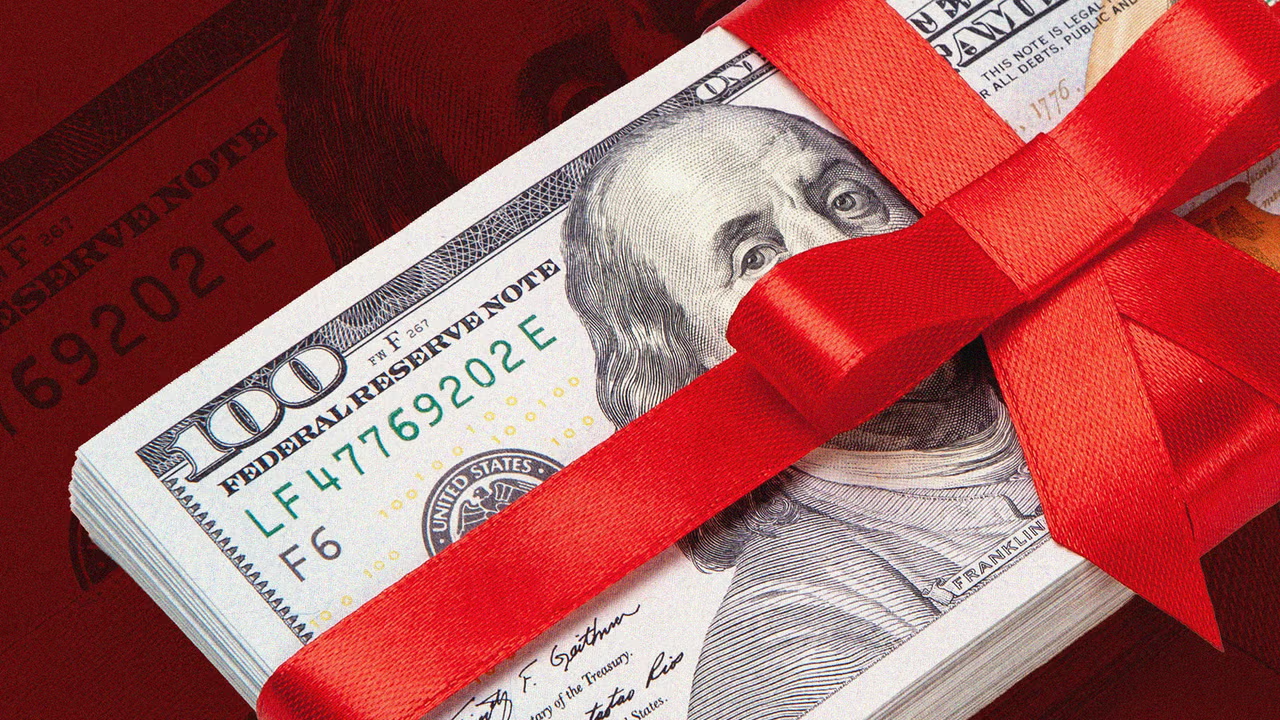
Some of Silicon Valley’s biggest names are digging deep into their pockets. Elon Musk has promised to give every child in America a share in SpaceX next year. That would amount to roughly 72 million shares worth $10.5 billion at recent prices. It’s a generous offer, although each child would receive about $146, a tiny fraction of Musk’s fortune, which has recently topped $1 trillion.
And Musk isn’t alone. Anthropic, the AI company behind Claude, recently unveiled plans to set aside 5% of its shares for public benefit. Based on its most recent funding valuation, that stake would be worth roughly $48 billion. Rival OpenAI has also pledged billions toward charitable causes.
The sums are eye-watering. But turning those promises into money that actually reaches the public is more complicated.
“The traditional approach is one that requires a substantial financial commitment upfront,” says Brian Mittendorf, an accounting professor at Ohio State University, “not just a stated intention to put money aside.”
How the pledges would work
Anthropic’s proposal still requires shareholder approval. If approved, it would transfer shares into a company-controlled limited liability company (LLC), which could donate to charities or distribute money directly to people whose livelihoods have been disrupted by AI. Its board could also allocate another 2% of shares each time the company’s valuation increases by 50%. Including pledges from founders and employees, Anthropic estimates that roughly a fifth of its stock is being dedicated to public benefit.
OpenAI is taking a different approach. Its nonprofit foundation owns a stake in the ChatGPT maker that was valued at around $130 billion when the company restructured last year. The foundation has committed $25 billion toward curing diseases and improving AI resilience, with plans to invest at least $1 billion over a year across those and other causes. It has also awarded $100 million in grants to community organizations through its People-First AI Fund, including $50 million announced this month. The foundation aims to disburse that latest round by year’s end.
Musk’s plan is different still. Reports suggest the SpaceX shares could be distributed through Trump Accounts, the children’s investment accounts established by the Trump administration. Recipients would own stock rather than receive cash, although Musk has yet to explain how the giveaway would work.
A promise isn’t a donation
Despite the unanswered questions, Jay Ritter, director of the IPO Initiative at the University of Florida, sees reason for optimism. “I think we should take them completely seriously,” he says, pointing to a long history of wealthy entrepreneurs funding charitable causes, from John D. Rockefeller to Bill Gates to MacKenzie Scott.
But a pledge isn’t necessarily the same as a donation. Anthropic’s proposed structure, for instance, would allow the company to retain control over when and how its money is distributed, with fewer disclosure requirements than a conventional charity. And while OpenAI has already begun awarding grants, the bulk of its philanthropic ambitions remain commitments rather than money distributed to beneficiaries.
Who benefits from the generosity?
Bella DeVaan, associate director of the Charity Reform Initiative at the Institute for Policy Studies, believes the timing of such promises deserves scrutiny. “I think that we should just always ask who benefits? Who benefits at the timing of the gift?” she says.
She points to her organization’s research into the Giving Pledge, established in 2010 to encourage billionaires to donate at least half their wealth during their lifetimes or after death. The 32 original American signatories who remained billionaires in 2025 had collectively grown 283% wealthier, or 166% after adjusting for inflation. Of 22 deceased pledgers, just eight had fulfilled their commitments.
For DeVaan, those numbers make accountability especially important. “By what mechanisms will a pledger be held accountable to actually fulfill their pledge?” she asks.
Silicon Valley’s latest pledges could ultimately produce substantial benefits, and OpenAI has already begun awarding grants. But the enormous sums being announced also raise questions about how much control these companies are willing to surrender, how quickly the money will be distributed, and what will hold them to their commitments.