The U.S. eliminated measles 26 years ago. Now it could lose that status in a matter of weeks
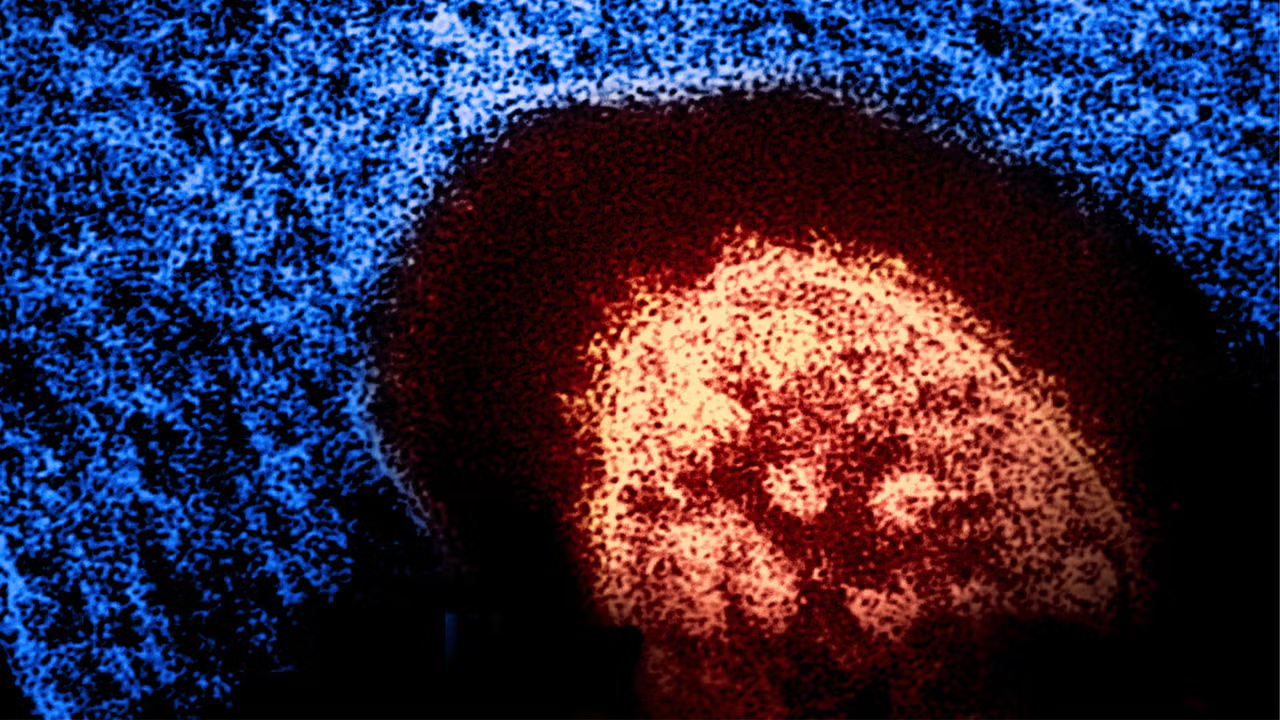
The U.S. declared measles eliminated in 2000—but it could soon lose that status, depending on the conclusions of a meeting of the Pan American Health Organization (PAHO) next month.
Measles cases in the United States are rising; there could be twice as many cases in 2026 as in 2025. The measles tracker run by John Hopkins Bloomberg School of Public Health counted 4,267 cases as of October 15. The total for last year was 2,286.
Pennsylvania has accounted for more than a quarter of the 2026 cases, with 1,136. South Carolina and Utah had the next-highest statewide counts, at 671 and 527, respectively; but almost every state has seen at least one case this year.
MEASLES’ ELIMINATION, AND RETURN
In the decades after the first measles vaccine became available in 1963, the Centers for Disease Control (CDC) set a goal to eliminate the disease.
The CDC defined the elimination of a disease as a reduction to zero within a “defined geographical area as a result of deliberate efforts.” That finally happened almost 40 years later, in 2000, when a period with no continuous spread of measles lasted for more than a year.
Now, measles has been spreading within the U.S. for almost two years.
“That the U.S. will likely lose elimination status is one of many indicators of our eroding public health system,” Amria Roess, a professor of global health and epidemiology at George Mason University and former CDC officer, said in a measles tip sheet the university published this week.
“We now have so many unvaccinated individuals that we are seeing widespread local transmission of measles,” she said.
Fully 97% of this year’s measles cases were in people who are either unvaccinated or whose vaccination status is unknown, according to the Johns Hopkins tracker. Experts estimate that more than 95% of a population needs immunity to measles to prevent large outbreaks, KFF Health News writes, but only 10 states had reported those coverage levels in 2024-25.
A POSTPONED MEETING
A meeting of the Pan American Health Organization (PAHO) to review the U.S.’s measles elimination status was set to take place in April, but was rescheduled for November, after the midterm elections. There has been some ambiguity about the reasons behind the decision.
PAHO, which is the arm of the World Health Organization for the Americas, stated that the change aimed “to simplify and harmonize the process” based on the commission’s meeting schedule, and also allowed the U.S. more time to conduct data analysis. A spokesperson for the U.S. Department of Health and Human Services, Andrew Nixon, said in March that U.S. health officials had asked for the delay. But in response to a question from Senator Lisa Blunt Rochester, Democrat of Delaware, during a Senate hearing the following month, the HHS secretary, Robert F. Kennedy Jr., denied that the agency had made the request.
The CDC “appreciates PAHO’s agreement” to reschedule, which provided additional time to assess the measles outbreaks, another HHS spokesperson, Grace Davis Jamison, said in an email. She did not clarify what role HHS had in the decision-making process.
She added that the agency “has mounted an aggressive response to measles outbreaks across the country,” referring to a recent move to provide $100 million in additional funding to states for measles preparedness and response efforts.
“Secretary Kennedy and CDC Director Dr. Erica Schwartz continue to make clear that the MMR vaccine is the most effective way to prevent measles,” she said.
Kennedy has promoted antivaccine sentiments and applied them to federal health policy.
President Donald Trump’s orders around vaccine scheduling have elicited backlash from Democrats, and the antivaccine sentiments of the Make America Healthy Again (MAHA) movement are frequently criticized and debunked by experts. Only 38% of voters approve of the Trump administration’s handling of vaccine policy, according to a KFF poll from May.
PAHO’s annual meeting will take place November 10-13, days after the midterms.
There, the commission will examine “the re-establishment of endemic measles transmission,” the organization said in an October 14 press release. This occurs, the organization said, when evidence indicates “that a chain of transmission involving a viral strain with an identical genotype and lineage has continued uninterrupted for 12 months or longer” within a given country or area.