Inside Google’s push to make AI the new Auto-Tune
Google is trying to prove that AI won’t replace artists.
The tech giant has rolled out a suite of generative AI music features over the past year, including Flow Music — a tool it acquired in February when it bought the startup ProducerAI — which allows users to create songs from a single prompt, in the same style as AI music giants like Suno and Udio. But the company’s pitch to artists is that its technology can also act like a tool in their creative process, not unlike Auto-Tune or MIDI.
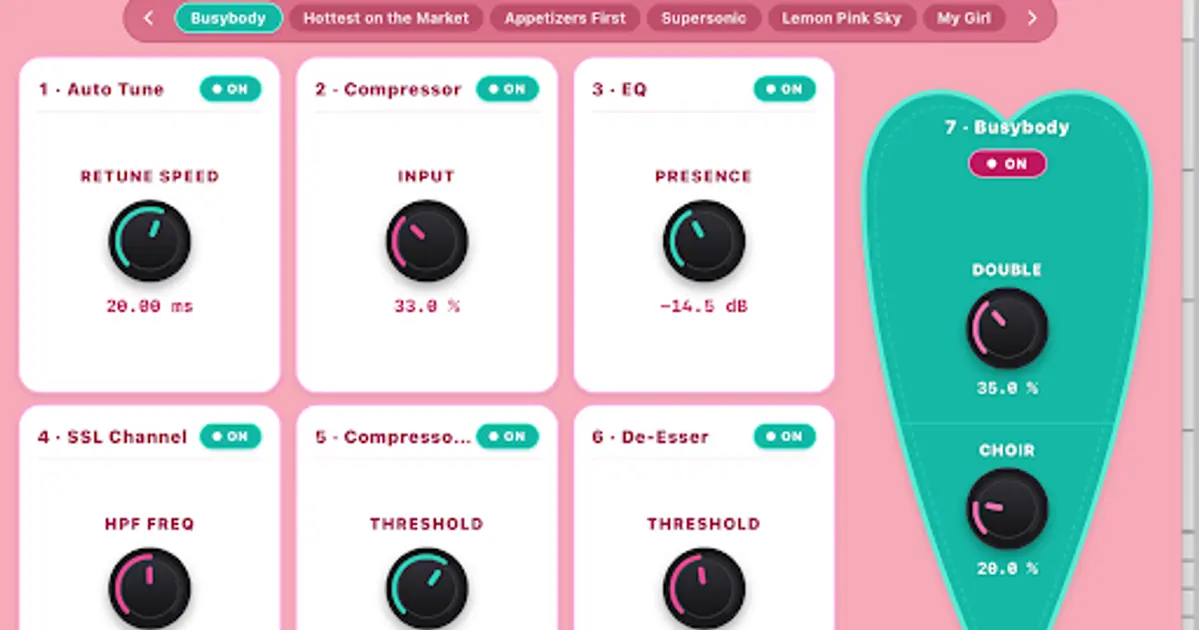
To prove it, Google launched Flow Music Sessions earlier this year, an artist residency program for those curious about integrating the technology into their creative processes. Residents work in Spaces, a Flow Music feature carried over from ProducerAI that allows artists to vibe code their own tools and plugins.
The fusion of art with artificial intelligence makes some artists queasy, and it has since ChatGPT launched in 2022. But, Google has long found ways into the creator economy from different angles. It grew YouTube, today a juggernaut video-sharing site rivaling cable, largely by giving platforms to independent creators. Now, it’s betting that artists wary of AI can be won over in the same way: on their own terms.
For artists in Google’s Flow Music residency, that distinction is important. “I draw creative fuel and energy and joy from making things myself,” Avanti Singh, a sound designer and resident at Flow Music, told Semafor. “I’m not particularly interested in prompting an entire song to be created because the most fun part for me is writing lyrics and singing and collaborating.”
Instead, artists in the program vibe code to bolster the creative process, cutting down on the most tedious production steps. Mike Costanzo, a producer in the residency, built a “perfect kick” plugin in Spaces that he says cuts down the time it takes to find an apt kick drum for a song. He picks a genre, taps a musical key to tune the drum, and the plugin handles the rest.
Google has come under fire for its AI music generation. A group of independent musicians and songwriters filed a lawsuit against Google in March, alleging the tech giant trained its music model Lyria 3 on copyrighted recordings from YouTube without permission or compensation. Google Flow now runs on newer versions of that model. Google has moved to dismiss the lawsuit, arguing that music uploaded to YouTube is already broadly licensed for AI training in accepting the platform’s terms of service.