UN climate meltdown raises new doubts about talks
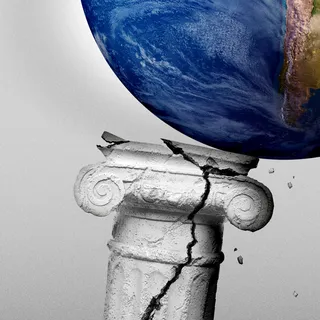
The collapse of UN climate talks without an overarching deal is deepening doubts about the effectiveness of these summits — and bringing fresh calls for a shakeup.
Why it matters: Warming is on pace to far exceed the Paris Agreement target of holding long-term temperature rise under 2°C above preindustrial levels — and the more ambitious 1.5°C goal has slipped away.
🏃 Catch up quick: The COP31 talks in Turkey ended Sunday without a high-level "cover decision" of wide-angle agreements and goals.
- Vulnerable island nations and the EU, among others, objected to a draft deal after some oil-producing countries blocked explicit endorsement of moving away from fossil fuels.
⚔️ Friction point: There was also pushback against proposed text that endorsed carbon capture as a major climate solution.
- Finance discussions also disappointed advocates, with climate think tank E3G noting that "little or no new and additional money reached the table."
🏀 State of play: Sunday's events reinforce criticisms that the decades-old summit process — which birthed the 2015 Paris deal — is not suitable for spurring policies that meet the scope of the problem.
- It could add urgency to years-long efforts to revamp how they work.
- "I have taken steps in engaging external knowledge leaders in advising on areas of potential reform. That is something I will be championing with considerable effort as we leave here," Simon Stiell, the top UN climate official, said as the talks closed, per Reuters.
🥊 Reality check: Ending the practice that decisions require consensus — which effectively gives veto power to individual countries and blocs — would be a steep uphill climb.
Yes, but: There was some progress at COP31, per groups that track the granular talks.
- For example, the climate group E3G cites procedural advances on the "Just Transition Work Programme," an initiative created in 2022 to support workers and communities in the energy transition.
- And dozens of countries endorsed a pledge to bring electricity's share of global energy use up to 35% by 2035, compared to 23% today.
💭 My thought bubble: The failure in Turkey came just days after the Senate easily passed a permitting bill that would make it easier to build out renewables and fossil fuel projects.
- Competing views on the COP process and the permitting bill among advocates shows a wider tactical rift in climate and clean energy circles.
For many activists, COP31's meltdown shows a dangerous failure to confront planet-heating fuels, and that thwarting them must be a central, science-guided policy aim.
- "In the same year that science warned we are on track to exceed the 1.5°C threshold, COP31 failed to face that reality head-on and name fossil fuels as the root cause of climate change," Bryan Bixcul of the International Indigenous Peoples Forum on Climate Change said in a statement.
- But for other advocates, the real action is with duller, nitty-gritty steps (like permitting reform!) that help competitive clean energy grow faster, and anti-fossil fuel red lines are a distraction or even politically counterproductive.
What they're saying: "I may be too cynical but if this mess is what finally convinces people that it's not worth all this effort to get unanimous agreement on symbolic statements, maybe that's a blessing in disguise?," Columbia University climate economist Noah Kaufman posted on X.
What we're watching: Keep an eye out for any signs that the fracas in Turkey will bring changes to how these COP summits unfold.