High-profile events businesses can strain media companies’ trust and credibility
The News
Semafor is facing scrutiny for hiring high-profile Washington consultants to assist with event bookings, a revelation that underscores the murkiness embedded into a high-level convening business that’s become a vital and growing revenue source for some global media companies.
As online web traffic and the associated advertising dollars have diminished across the industry, publishers have leaned into sponsored in-person events to support their newsrooms. The growing importance of these events has raised thorny standards and ethics questions regarding sponsors who pay to be onstage at places like Fortune, The Wall Street Journal and The Atlantic — even if their sessions are clearly labeled as sponsored — or regarding media CEOs who strike deals with advertisers while interviewing those same CEOs.
Of the last decade’s crop of digital media outlets, none have leaned further into the events-driven business than Semafor, which has hosted hundreds of high-profile gatherings since launching in late 2022.
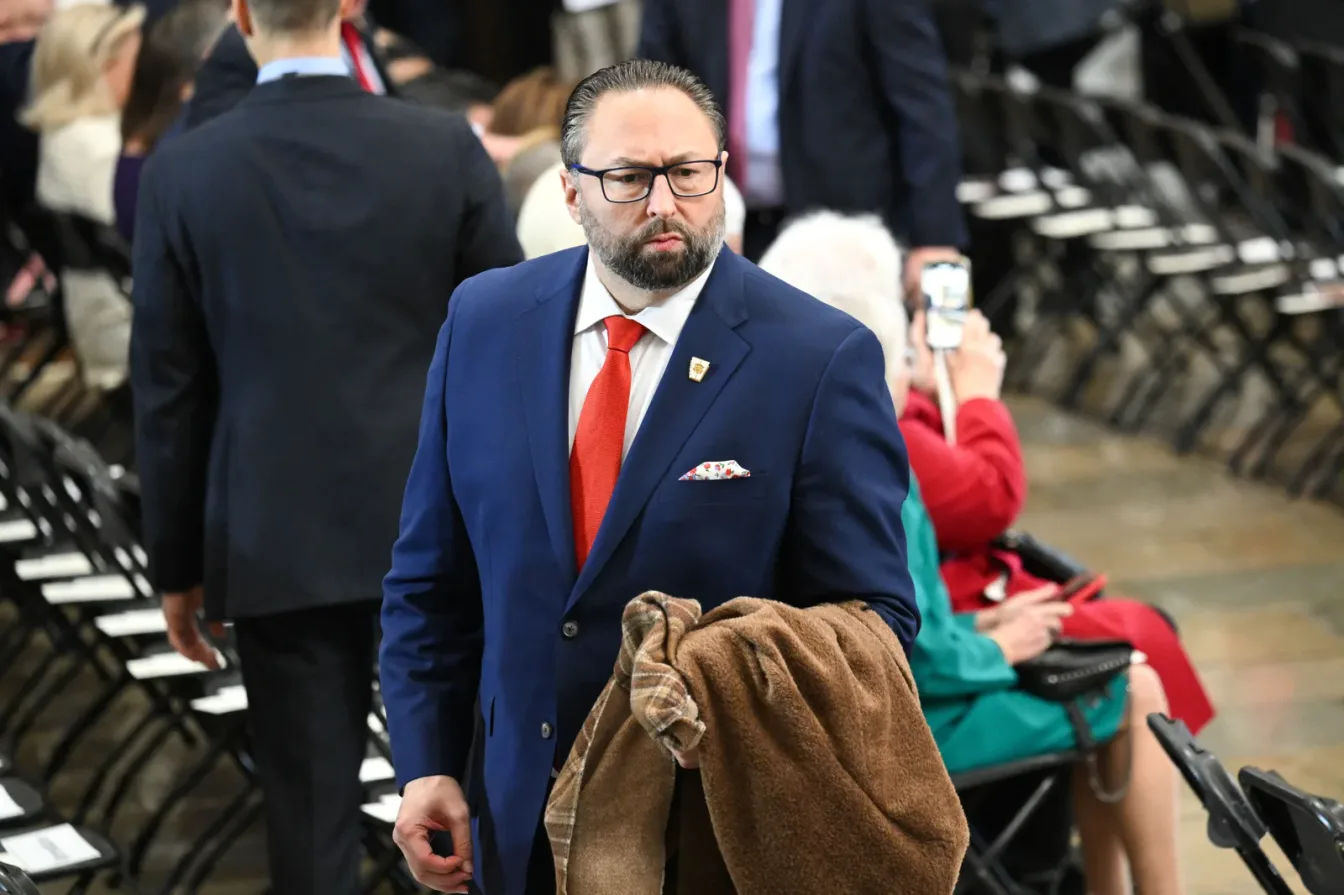
While Semafor primarily relies on an in-house events team to secure bookings of business, political and government leaders, for its flagship April gathering, Semafor World Economy, the Washington Post reported on Thursday that the company enlisted a handful of external consultants to recruit politicians for onstage interviews. Among the consultants were former Trump advisers Jason Miller and Kellyanne Conway, as well as former Kamala Harris and Joe Biden adviser Adrienne Elrod. Miller is no longer on contract, but Conway and Elrod remain consultants at Semafor.
The contracts were intended to help secure the best guests for its flagship Washington event, a multimillion-dollar revenue-driver for the four-year old company. A spokesperson for Semafor said in a statement that “we don’t pay speakers and both our speakers and guests come for tough, fair, and independent interviews,” noting that “many other media companies” employ consultants from across the political spectrum to recruit high-profile guests to attend their events.
But others saw it as a potential conflict of interest.
“Bad look all around,” one anonymous media executive told Puck’s media analyst, Dylan Byers.
“We shouldn’t have to learn from court documents in a child support case that Semafor paid Jason Miller $100,000 because Semafor should have disclosed that,” the editor-in-chief of the left-leaning publication MeidasTouch posted.
On Saturday, the publication updated 11 stories disclosing the company’s financial relationship with Miller, Conway, and Elrod.
Max’s view
The death of the previous generation of digital media startups like BuzzFeed News and Vice, and taught many in the news media a lesson: the free, ad-supported model of digital startup journalism is unsustainable.
In this environment, Semafor’s success has aroused some suspicion. At a moment when many media companies have struggled to stay afloat, Semafor has built a profitable news outlet that’s still free for online users, prompting some skeptics to wonder what the real reason is for the business’ growth.
As a four-year veteran of the company, I can say Semafor’s viability is the result of a hardworking and creative commercial team, fairly shrewd financial planning, and talented journalists producing an editorial product readers find to be important. In my time here, I’ve never been asked by any editor — explicitly or implicitly — to lay off a guest or subject for commercial reasons. I’ve watched our editors defend our critical coverage and skeptical questions at events from subjects that aren’t always pleased with the content, and, when our offices were much smaller, I occasionally caught a glimpse of our revenue team navigating skittish sponsors who weren’t always comfortable with sensitive topics in the news cycle. At Semafor World Economy earlier this year, which occurred weeks after the Iran war began, a number of high-profile guests dropped out after asking us if our journalists could avoid asking about the war. They were told no.
But media organizations are built on trust, and few institutions are less trusted in 2026 than the news media. America is cynical about the real and perceived coziness between politicians, lobbyists and the media companies that cover them. Compensating well-known political hands to ask important players to appear at events deepens that perception, even if they had zero influence on questions that the journalists asked once they got there.
Semafor is not wrong that the use of external firms to help with high-profile events isn’t unusual. Many Washington organizations hire strategic public affairs firms for events that require executive wrangling. Two people familiar with the arrangement told me that former Harris adviser Shari Yost Gold had been enlisted for the White House Correspondents’ Association dinner and Politico’s major Sunday brunch (though unlike Conway, Yost Gold has not worked in the federal government). Bloomberg has enlisted FGS’ Capricia Marshall, a veteran of the Clinton and Obama White Houses, for its events.
“Every public affairs firm offers this,” one industry insider told me.
But even if you accept the premise that it is a routine practice, Miller was not just a normal lobbyist; at the time that he was an adviser for Semafor, he was also working for Paramount to help secure its bid for Warner Bros. Discovery, and get the resulting Skydance megamerger approved by federal regulators.
The Semafor reporters and editors covering the deal considered Miller a part of that story, and were completely unaware that he was simultaneously being paid by the commercial side of the business. Miller has also been so close to the White House at times that it’s hard to consider him an outside actor. He’s been looped into key moments with the Trump administration, such as when he was asked to pull short-lived White House press secretary Katie Zacharia from an interview with The Wall Street Journal before she was pushed out of the job.
Semafor was founded with principles of transparency at the forefront, positioning itself as a more honest and straightforward media company than its competitors. Our format, which separates reporters’ opinions from the facts, is in the service of hoping to rebuild some trust between a skeptical public and honest journalists. Hiring consultants did not build trust; instead, it resulted in a flurry of conspiracy theories that undermined the publication’s hard-hitting journalism and undercut its message.
The View From Semafor
In a note to Semafor staff on Friday shared with me for this column, Editor-in-Chief Ben Smith (this author’s boss, though Smith did not edit this piece) said the company will now disclose when consultants work with Semafor, but maintained that hiring political consultants did not bear on its journalism.
“Our events are live journalism. We don’t pay speakers to be on stage, and we don’t pull punches or make side-deals for interviews. As you also know, booking is a huge amount of work and we (like many other media companies) bring in consultants to help. That’s the function Miller filled before SWE this year, from January through the end of the event in April,” Smith said. “And as you know, these consultants helping with booking have no influence on our journalism, online or on our stages.”