A Thanksgiving meal without the risk of food-borne illness
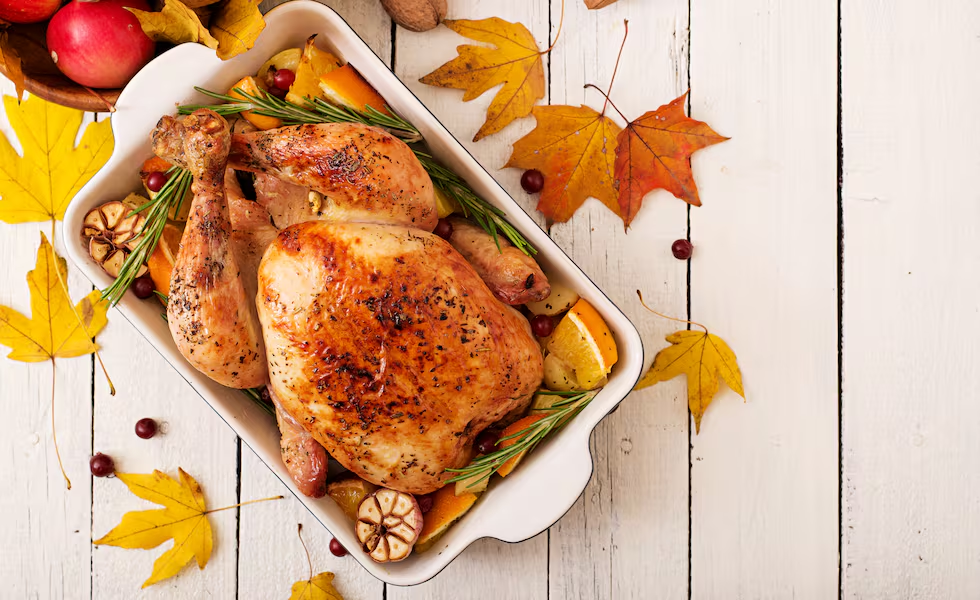
Gastric distress is one guest you don’t want attending your Thanksgiving feast. But at a time when there’s perhaps a bit more food prep — and food — than usual, food safety needs to be on everyone’s mind.
The most recent newsletter from Foodsafetynews.com notes E. coli outbreaks at Ohio University and Tufts University, with ground beef as the suspected source. And the U.S. Food and Drug Administration has linked a salmonella outbreak to romaine lettuce, with few details available although 43 people have gotten sick and six were hospitalized.
With foodborne illness a possibility, it’s worth paying attention to what’s on the FDA food major recall list, which currently lists some fresh jalapeños and one brand of powdered milk, both tied to possible risk of salmonella.
But the biggest risk of illness is actually in food preparation itself, which means in individual homes and kitchens.
And if you’re serving turkey, listen up. Cooks who believe that an acidic marinade made of citrus, vinegar, buttermilk or wine will make poultry safe are mistaken. Foodsafetynews.com separately reports that “turkey’s own chemistry works against that idea. Its muscle, especially the white breast meat, has a high buffering capacity, meaning it resists changes in pH.”
The buffer absorbs the acidity and “the meat’s pH stays close to neutral. That is exactly the range where salmonella grows comfortably. Marinade adds flavor, not protection.
So focus on real safety tips, which matter regardless of what’s being served.
General food safety practices
Always keep your fridge at or below 40°F. Real Simple reports that if the fridge is having trouble staying cold, check the vents and remove or re-organize nonessentials in a full fridge to restore proper cooling. Make sure air can flow around foods to keep them cool. Items you remove temporarily and keep should be in an ice chest. With ice.
The Food Safety and Inspection Service always emphasizes basics. Start with clean hands, work surfaces and tools. Make sure you don’t cross-contaminate raw meat and poultry with food that’s been cooked or that will never be cooked. You should keep raw meats on the bottom shelves of the fridge so they can’t cross-contaminate anything.
How do I safely deep-fry a turkey for Thanksgiving?
Watch your temperatures and use a thermometer. Don’t guess. Beef, lamb, pork and veal should reach 145° F. If it’s ground, the temperature that’s safe is 160° F. For poultry and its related stuffing and casseroles, the temperature is 165° F. That’s also the safe temperature for leftovers.
Eggs should be heated to 160° F, fish and shellfish to 145° F.
Ham that’s uncooked needs to reach 145° F, while fully cooked ham from USDA-inspected plants needs to reach 140° F; all other hams should be reheated to 165° F.
Chill food promptly. The Food Safety and Inspection Service page has a great list of how long foods can be safe in the refrigerator at or below 40° F, as well as advice about freezing food.
For the birds
The federal experts at Foodsafety.gov have dedicated a blog to Thanksgiving and other holiday gatherings.
If you’re serving turkey, there are lots of ways for things to go wrong, all easily managed if you’re careful.
If you only have a couple of days before cooking, buy a fresh turkey, paying attention to the use-by date. If you buy your bird earlier, freezing is fine, but don’t thaw it by setting it out. Do it in the fridge — the U.S. Department of Agriculture says to figure 24 hours for every 4 to 5 pounds — or in cold water that’s changed every half hour. If you choose cold water, figure thawing takes a half hour per pound.
Cook the meat to an internal temperature of 165° F — and check it in not just the thickest part of the breast, but the wing and thigh. It’s best to cook stuffing separately, but if you stuff the bird, check that the stuffing is cooked to that temperature, too.
Keep all foods out of the danger zone
The USDA calls the temperatures between 40° F and 140° F the food safety “danger zone,” because those are bacteria-friendly temperatures that can lead to foodborne illness.
So keep cold foods refrigerated or on ice. You can put less out and replenish it as needed to make it safe.
Hot foods should be in the oven, heated chafing dishes, warming trays or slow cookers at or above that 140° F mark.
And perishable prepared foods and leftovers should not be out for more than two hours. Anything out longer than that should be tossed.
What to do with leftovers
Leftovers are part of the holiday joy. But they can be dangerous if not handled properly. The USDA recommends:
Cool them quickly by dividing large portions into smaller containers.
Leftovers in the fridge are safe for up to four days and freezing makes them last even longer. “When kept continuously frozen at 0° F or below, they remain safe indefinitely, although quality may decline over time,” per USDA.
You need to reheat them back up to 165° F before eating them.