Estonian foreign minister: Why we’re closing our border with Russia
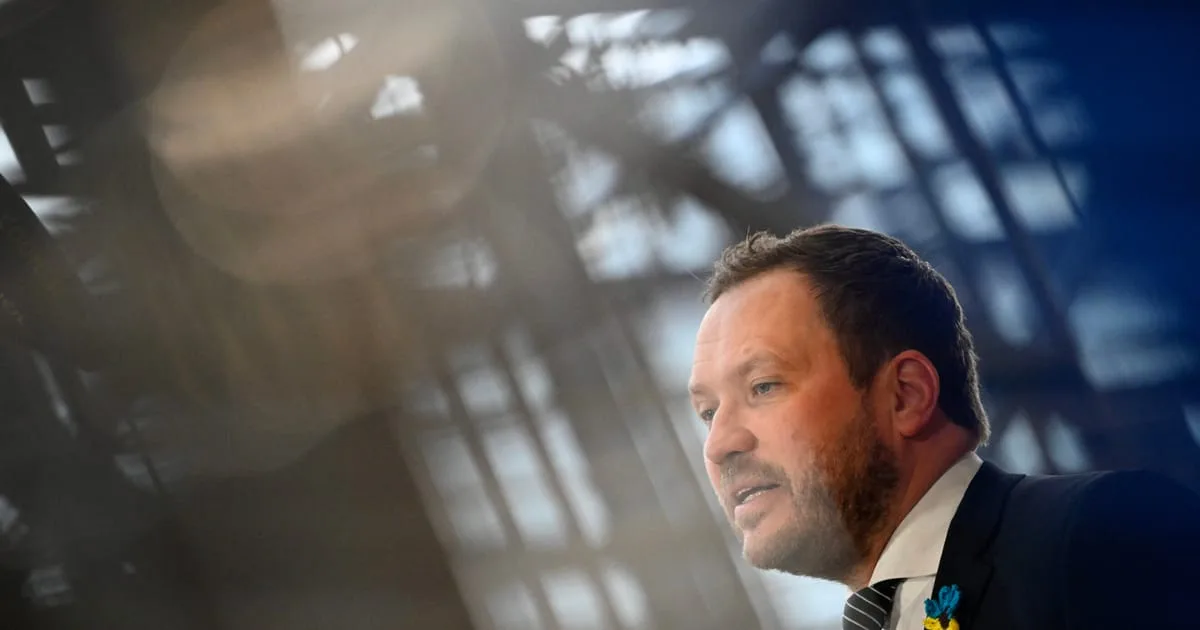
Margus Tsahkna is Estonia’s minister of foreign affairs.
TALLINN — In response to Moscow’s long-standing escalation of hostile activities against Europe, Estonia has decided to close its land border with Russia. This is about more than border security. We are making Europe safer, closing opportunities for Russia to exploit our openness and increasing pressure on Moscow to end its aggression against Ukraine.
Across Europe, we have witnessed a growing number of acts of sabotage and intimidation. In Poland, Russian intelligence services were behind the arson attack that destroyed Warsaw’s Marywilska shopping center. Polish authorities have also attributed two acts of railway sabotage to individuals cooperating with Russian intelligence. In Germany, an explosives-laden drone was discovered at Leipzig/Halle Airport in an incident that the German government has attributed to Russia. And just last week, Denmark attributed an attempted assassination targeting an American-Ukrainian citizen to Russian intelligence services.
These incidents form part of a broader Russian campaign targeting the whole of Europe, including countries far beyond its borders. The aim is to undermine the European security order, intimidate its neighbors and dictate the choices of sovereign nations. Civilian infrastructure, businesses and facilities connected to support for Ukraine have increasingly become targets.
Russian intelligence services exploit cross-border movement to gather intelligence, establish contacts and recruit individuals to carry out hostile activities. These operations are often deliberately designed to create fear, sow distrust, divide our societies and undermine confidence in our institutions from within.
Closing our border will not eliminate these threats, but it will limit opportunities for hostile intelligence activities. It will also help close channels for sanctions evasion, a crucial part of depriving Russia of the resources it uses to finance its war economy and sustain its aggression.
The same logic should guide Europe’s wider approach to forcing Russia to abandon the imperialist ambitions that continue to drive its actions. Let us recall the months before Russia launched its full-scale invasion of Ukraine, when Moscow issued ultimatums to NATO and the United States, demanding a fundamental revision of Europe’s security arrangements. Russia wanted NATO to roll back its military presence to the levels of 1997, effectively challenging the sovereignty and security choices of countries across Europe, including Estonia, Finland and Sweden.
Five years of war, death and destruction have done nothing to change the Kremlin’s ambitions. Following the talks in Abu Dhabi, Russian representatives have once again referred to the 2021 ultimatums and even suggested going further, adding new demands based on their experience during the war.
This should leave no room for illusions. Russia is not genuinely moving toward ending its war against Ukraine. Instead, it is trying to use negotiations to achieve what it has failed to accomplish on the battlefield, forcing sovereign nations to surrender their security choices and restoring Russian spheres of influence in Europe. Moscow made these demands five years ago and continues to make them today. Its latest invitation for European leaders to visit Moscow to hear Russia’s position changes nothing.
All this makes one thing clear: The way forward is to continue increasing pressure on Russia and strengthening Ukraine. We still have considerable instruments at our disposal, including tightening sanctions, closing loopholes, making use of frozen Russian assets and restricting the travel of Russian tourists and former combatants.
Only through sustained pressure can we make Russia accept a ceasefire, which must be the very first step toward peace, as recently stressed at the Berlin meeting of the Coalition of the Willing. Only then can meaningful negotiations on a lasting peace in Ukraine take place. Discussions about wider European security must not become a precondition for ending Russia’s aggression — nor must they give Moscow an opportunity to dictate the security arrangements of sovereign states.
Allowing Russia such a victory would send a dangerous message to the world. It would suggest that force pays off, borders can be redrawn and the sovereignty of smaller nations can be bargained away. The consequences would reach far beyond Ukraine, threatening Europe’s security and emboldening other authoritarian powers to pursue their ambitions through force.
Estonia’s decision to close its road border crossings with Russia, following Finland’s decision to close its entire eastern land border in 2023, is one part of this broader effort to increase pressure on Moscow and strengthen European security. Whatever inconveniences the closure may cause, responsibility lies squarely with the Kremlin. Russia’s hostile actions and aggression are the reason these measures are necessary.
Europe has the means to make Russia change course. What we need now is the political will to use them. Russia must emerge from this war facing a stronger Ukraine, a more united Europe and a clear understanding that any future attempt to threaten our security will come at an even greater cost.