Opinion: ‘We the people’ can make a difference
We rightfully look to our elected officials to solve problems, but sometimes answers come from “We the People.” When we choose to get involved, we can make more of a difference than we know in helping to find solutions to societal challenges.
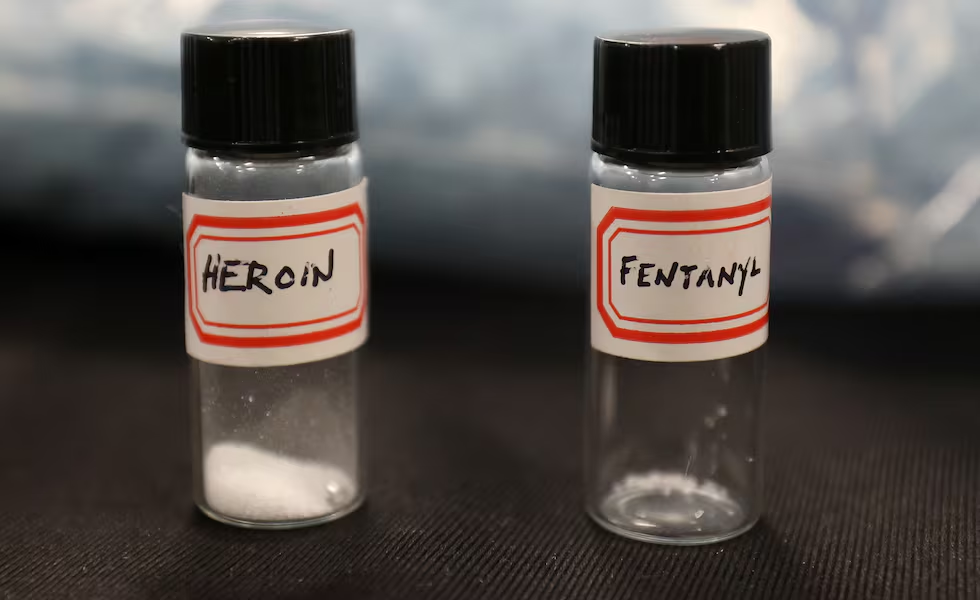
I practiced primary-care medicine for decades. Several years ago, a patient divulged that he was going through heroin withdrawal. I worked hard to arrange for him to receive care at a drug detoxification facility. He never made it there. He instead left my office, obtained more heroin, and died from an overdose. I was devastated and searched within myself for what more I might have done.
Opinion: Utah is sitting on millions to fight addiction — babies are still paying the price
After sharing this experience with Pat Bird of the Utah County Substance Abuse Prevention office, he invited me to serve on a coalition organized to address Utah’s opioid drug epidemic. (Prescription opioid painkillers are actually related to heroin.)
I met parents who had lost a child to drug overdose, educators, PTA presidents, law enforcement officers, members of the business community, former addicts and others — all of whom were looking for answers. After pouring our hearts out to each other, we put our heads together to find out what could be done to fight this scourge.
Darrell Bingham, a police officer in our coalition, voiced his frustration over laws preventing the notifying of prescribers whose patients were driving under the influence of prescription drugs. In trying to protect patient privacy, these statutes kept critical information from those who truly needed to know.
This grassroots effort demonstrates what can happen when citizens choose to get involved.
As a physician, I confided with the group that it had not always been apparent to me when I was being manipulated by a drug addict. A good actor might successfully fake or exaggerate an injury or illness to obtain prescription opioid painkillers to support an addiction.
I related to our group how I had become aware of Utah’s Controlled Substance Database (CSD). This online tool reveals to prescribers when a patient has received prescriptions for opioid painkillers elsewhere. This tool proved to be enormously helpful in being able to identify “drug seekers.”
There were other healthcare providers like myself who were not fully aware of the power of the CSD. Nor did all prescribers have other resources to help determine who might be at risk for opioid abuse and addiction. Some providers were unsure how to help patients once drug abuse or addiction was detected.
Opinion: Sen. Lee is fighting for families like mine who suffered because of kratom
Brad Daw, a Utah state legislator who attended our coalition meetings, sincerely desired to help with any possible legislative remedies. Our coalition members helped him craft bills to address these issues. At Brad’s request, Bingham and I testified before state legislators about our experiences on the front lines of the opioid epidemic. It was gratifying to see that all the proposed legislation passed.
From there, a statewide initiative was launched to educate prescribers about the now more user-friendly CSD and its value. A billboard campaign encouraged the use of alternatives to opioids for pain relief and encouraged the disposal of unused opioids. National Prescription Drug Take Back Day — getting rid of dangerous drugs in our medicine cabinets — takes place this Saturday.
Naloxone was later made more accessible to help prevent overdose deaths. Continuing education on controlled substances was made a part of the licensing procedure for prescribers.
It took time, but the rate of per capita opioid overdose deaths in our state fell considerably. Utah’s success likely contributed to the U.S. Drug Enforcement Administration’s inclusion of an education requirement nationwide for prescribers of controlled substances.
Throughout this experience, it was inspiring to find our state legislators and other leaders accessible and approachable. Good ideas were recognized and promoted no matter who proposed them. Devoted officeholders worked hard to do the right things for the people of our state. Dedicated and gifted public servants like Bird knew how to bring the right pieces together for us to succeed.
Opinion: America’s failed drug policies are hurting our kids
This grassroots effort demonstrates what can happen when citizens choose to get involved. Sometimes the answer is “We the People” — working together with our elected officials.
More information about help for opioid drug-related issues can be found at Stop the Opidemic and at Utah’s Substance Use and Mental Health website.