← World & National News
▣ Distilled locally
Celebrating Indigenous Peoples and Cultures
The following stories, published over the last several years, honor specific Indigenous cultural practices and histories, dispel myths about Indigenous people in North and South America, and help us understand the systemic racism that has contributed to the suppression of Native American cultures and people.
Music, Sport, and Art
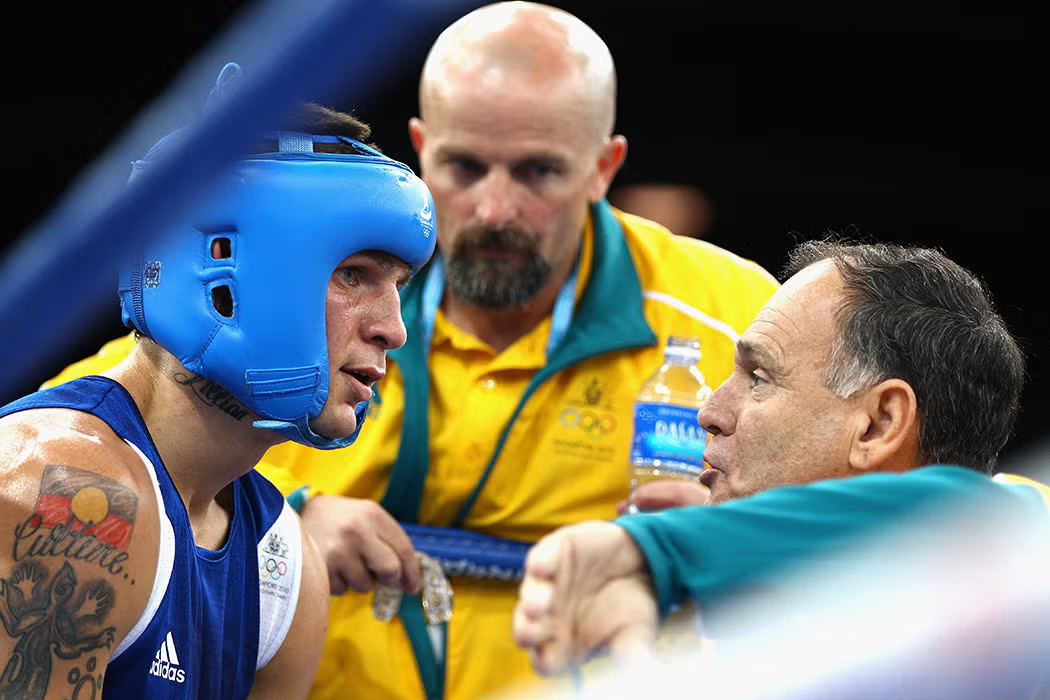
How Do Indigenous Athletes Fit into the Olympics?
Matthew Wills August 7, 2021 Olympic athletes are divided into teams of nations. To Indigenous competitors, though, that can mean representing oppressive settler-colonial states.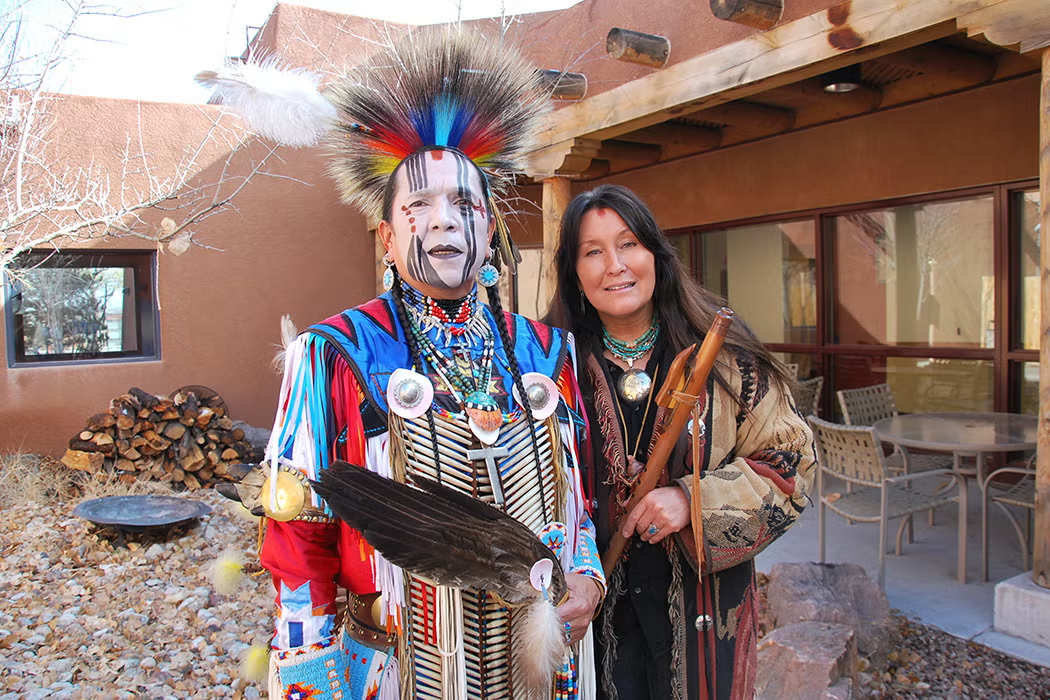
The Native American Music Awards
Julia Métraux January 27, 2022 Native American musicians and performers have been honored since 1998 by the Nammys.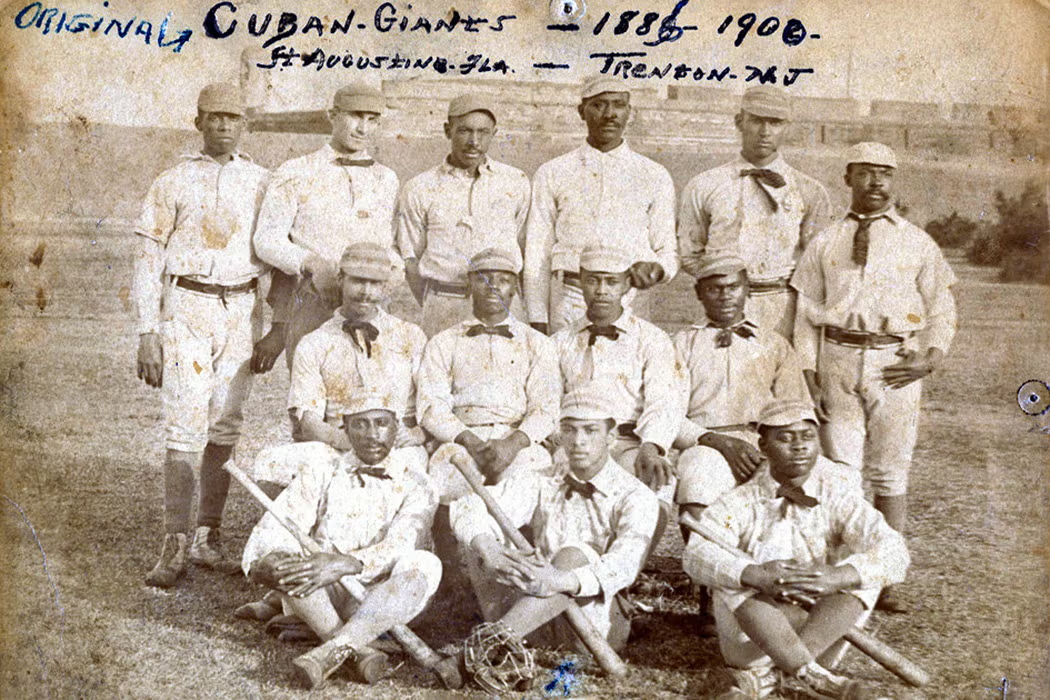
Integrating Baseball, before Jackie Robinson
Ashawnta Jackson July 14, 2021 Black players were banned from Major League Baseball during the Jim Crow era. Other players walked the color line—gently.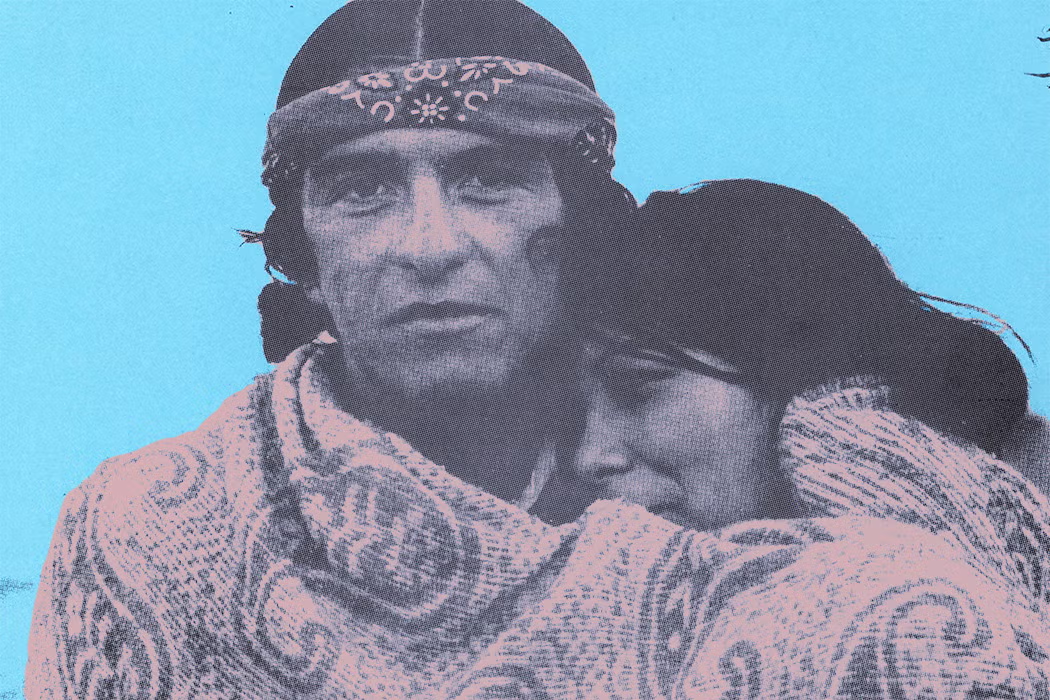
What Can Native American People in Prison Teach Us About Community and Art?
Brittany Marshall November 18, 2022 An exploration of creativity, ingenuity, and resilience using the American Prison Newspapers collection and JSTOR. The second curriculum guide in this series.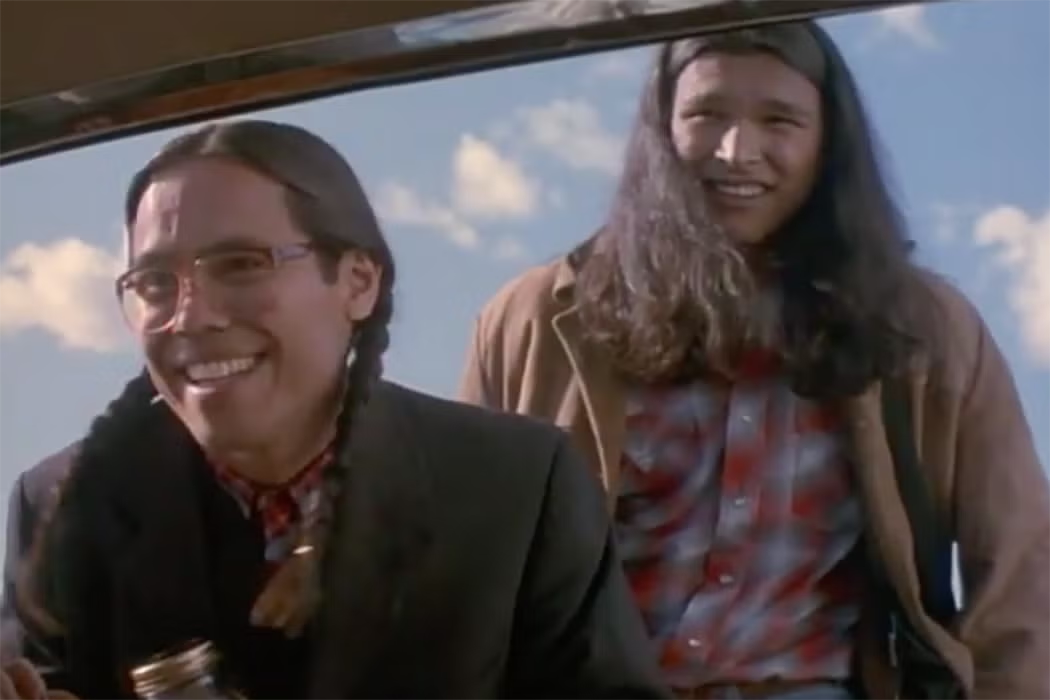
What Smoke Signals Means 20 Years Later
Ellen C. Caldwell June 24, 2018 This groundbreaking film was the first movie to be written, directed, co-produced, and acted by Native Americans.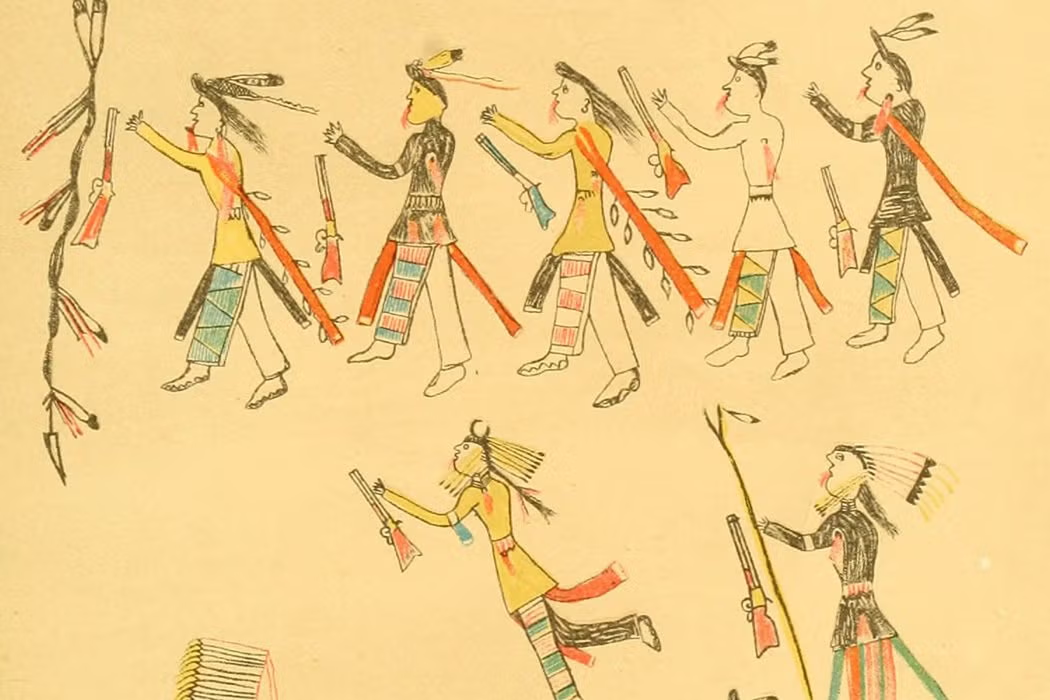
The American Counter-Narrative of Ledger Drawings
Ellen C. Caldwell December 19, 2016 Plains Indian ledger drawings offer a rich counter-narrative to the often-glamorized, or forgotten, history of the American West.Education
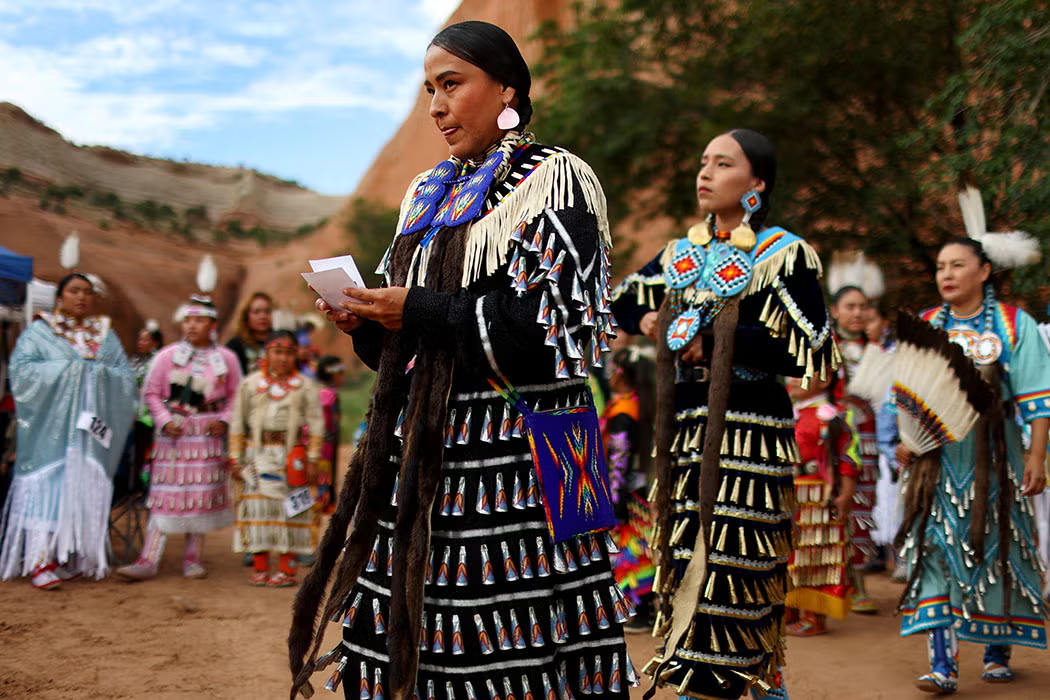
Honoring Indigenous Peoples’ Day: A Reading List
Aissa Dearing October 10, 2025 With scholarship on Indigenous knowledge, environmental justice, resistance, and decolonization, this list honors Native sovereignty and self-determination.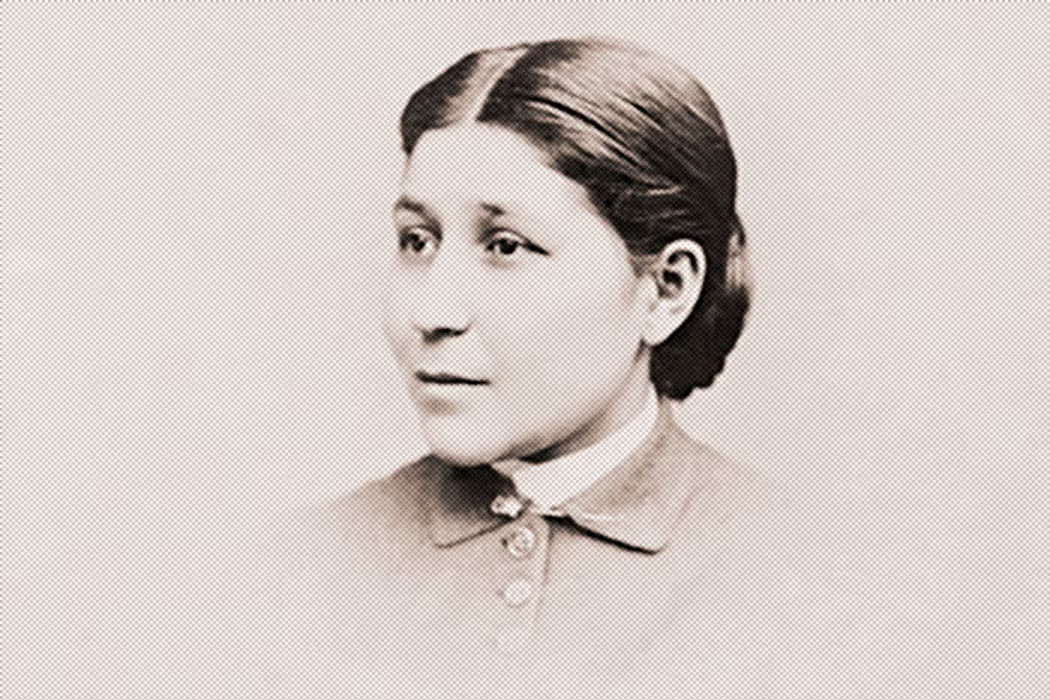
The First Native American to Receive a Medical Degree
Allison C. Meier July 22, 2018 Susan LaFlesche Picotte was first Native American to be licensed to practice medicine in the U.S. She opened her own hospital, but didn't live to run it.Inside the First Indigenous Sorority
Julia Métraux August 16, 2022 Alpha Pi Omega, the first historically Native American sorority, supports Native students and creates cultural space for them on university campuses.How Native Americans Taught Both Assimilation and Resistance at Indian Schools
Erin Blakemore December 13, 2017 In the nineteenth century, many Native American children attended “Indian schools” designed to blot out Native cultures in favor of Anglo assimilation.Life in Indigenous Boarding Schools
Livia Gershon July 30, 2021 Survivors of schools in the US spoke with scholars about their experiences of cruelty, neglect, and cultural degradation.Why Academic-Indigenous Collaboration Is Tricky
Livia Gershon October 11, 2021 Although many archaeologists are trained to prize objectivity, Indigenous scholars approach research with a different sort of grounding.How (Not) to Teach Kids about Native Cultures
Livia Gershon November 23, 2020 Even well-intentioned books for children can romanticize (or demonize) Native Americans. But better materials exist.Kinship, Families, and Women
Christine Quintasket
S. N. Johnson-Roehr October 10, 2022 Better known by the pen name Mourning Dove, Quintasket was a leader and activist who used her position as a public intellectual to fight for Colville rights.Why the Dakota Only Traded among People with Kinship Bonds
Livia Gershon October 4, 2019 “Trapping was not a ‘business for profit’ among the Dakota but primarily a social exchange,” one scholar writes.Polygamy, Native Societies, and Spanish Colonists
Livia Gershon April 19, 2021 Having more than one wife was an established part of life for some Native peoples before Europeans tried to end the practice.The History of the Black Seminoles
Livia Gershon November 29, 2020 The community's resilient history speaks of repeated invasions and resistance to enslavement.Yes, Americans Owned Land Before Columbus
Livia Gershon March 4, 2019 What you were taught in elementary school about Native Americans not owning land is a myth. The truth is much more complicated.Horticulture, Horses, and Hunting
Wild Rice and the Rights of Nature
Kari Traylor February 25, 2026 A groundbreaking lawsuit asks whether wild rice, or manoomin, can hold legal rights under tribal law and the growing rights of nature movement.The Macronutrients of the Three Sisters System
May Wang October 13, 2025 If the intercropping of beans, squash, and corn produces smaller yields, why did the the Haudenosaunee prefer the Three Sisters system?The Rise and Fall of the Equestrian Cultures of the Plains
Matthew Wills July 6, 2025 The introduction of the horse to North America by the Spanish transformed the lives of the Indigenous peoples of the Plains in decidedly mixed ways.Returning Corn, Beans, and Squash to Native American Farms
Christina Gish Hill November 24, 2020 Returning the “three sisters” to Native American farms nourishes people, land, and cultures.The Global Suppression of Indigenous Fire Management
Livia Gershon October 12, 2020 Indigenous peoples' techniques to manage and benefit from fire are threatened, even as wildfires burn more frequently and intensely.Plant of the Month: White Sage
Anna Kate Cannon, Dumbarton Oaks Humanities Fellow, Smithsonian Folkways Recordings July 27, 2022 An important part of Indigenous spirituality and identity, the aromatic evergreen shrub is being threatened by poachers and over-commercialization.How Gwich’in Hunters Protect Caribou Herds
Livia Gershon September 4, 2020 An Arctic indigenous community has developed complicated but flexible "rules" for its own hunters to follow. Respect for animals is paramount.The Dogs of North America
Livia Gershon May 3, 2021 Dogs were prolific hunters and warm companions for northeastern Native peoples like the Mi'kmaq.Plant of the Month: The Runner Bean
Rebecca Friedel May 27, 2020 From Aztec medicinal remedies to Darwin’s study of flower pollination, local knowledge about the runner bean reveals the importance of biodiversity.How Native Americans Came to Fight Southwestern Fires
Livia Gershon November 5, 2019 The practice began with the 1933 creation of the Civilian Conservation Corps, and, specifically, its Indian Division.Resistance and Civil Rights
The Urgency of Indigenous Values
Tim Brinkhof April 22, 2026 As global crises mount, religion scholar Philip P. Arnold argues the Haudenosaunee’s Great Law of Peace offers a way out of the West’s self-destructive path.Subversive Student Writing at Carlisle Indian School
Livia Gershon November 24, 2023 In the early twentieth century, some Anishinaabe students turned writing assignments meant to showcase assimilation into celebrations of resistance.How an Incan Nobleman Contested Spanish History
Ena Alvarado November 29, 2021 Felipe Guaman Poma de Ayala left behind a one-of-a-kind object that undermines the crónicas de Indias.Indigenous Kings in Londontown
Ed Simon November 8, 2023 In 1710, Queen Anne of England feted four Native American dignitaries—would-be political allies. Their presence at a performance of Macbeth caused a stir.Wounded Knee and the Myth of the Vanished Indian
Livia Gershon February 17, 2020 The story of the 1890 massacre was often about the end of Native American resistance to US expansion. But that’s not how everyone told it.The Fight for Native American Voting Rights
Ashawnta Jackson November 1, 2024 Despite the passage of the Indian Citizenship Act in 1924, Native American activists have had to repeatedly take their fight for voting rights to Congress.Remembering Wounded Knee at Standing Rock
Ellen C. Caldwell November 25, 2016 Have you been wondering about the history of Standing Rock protests and the American Indian Movement? Learn why and how we “Remember Wounded Knee.”Indigenismo in the United States
Matthew Wills October 1, 2021 The adoption of Aztec cultural iconography by modern activists has roots in Mexican nationalist policies of the 1920s.The Taínos Refused to Grow Food. The Spanish Starved.
Jess Romeo October 12, 2020 Rebellion against invasion triggered a series of events that would take a "swift and violent toll" on a Caribbean island's native biodiversity.Standing Rock and the U.N. Declaration on the Rights of Indigenous Peoples
Ellen C. Caldwell October 10, 2016 Celebrate Indigenous Peoples' Day and learn about the history of the United Nations Declaration on the Rights of Indigenous Peoples.Alaska’s Unique Civil Rights Struggle
Matthew Wills March 26, 2018 A generation before Rosa Parks, a young Alaska Native woman was arrested for sitting in the "whites only" section of a Nome, Alaska movie theater.Colonialisms, Past and Present
Drought and Indigenous Migration in the American Midwest
Matthew Wills February 19, 2026 In the seventeenth century, life at the prairie–forest edge was dynamic, unstable, and deeply shaped by climate.Renewable Energy and Settler Colonialism
Aissa Dearing May 2, 2024 What can we learn from colonial legacies in pursuit of sustainable futures?Inventing an American Indian Rebellion
Matthew Wills July 10, 2023 False rumors of an alleged Wampanoag uprising on Nantucket Island in 1738 were turned into a story of an Indian rebellion thwarted via a Boston newspaper.Genocide in California
Matthew Wills October 6, 2023 The extermination campaigns against the Yuki people, sparked by the California Gold Rush and statehood, weren’t termed genocide until the mid 1970s.Native Origin Stories As Tools of Conquest
Matthew Wills August 7, 2023 In the nineteenth century, the Euro-American “Lost Tribes of Israel” theory was one of the most popular explanations for the existence of Indigenous peoples.Mothers Against Mothers in the American West
Matthew Wills April 4, 2022 The participation of white mothers in the "bitter robbery" of Indigenous children from their families was a cruel irony in the colonialist programs of the US and Australia.Colonial Traffic in Native American Women
Matthew Wills December 13, 2021 Slavery in North America was not an institution of singular evil.Why White Women Tried to Ban Native American Dances
Erin Blakemore March 15, 2019 In the early 1920s, reformers obsessed over the sexual nature of some Pueblo rituals, and attempted to control their performance.Yale’s Lost Indian Museum
Matthew Wills March 10, 2023 The (now lost) collection of Native American artifacts at Yale College reveals the mechanics and high cost of the settler-colonialist nation-building project.Suppressing Native American Voters
Matthew Wills August 25, 2020 South Dakota has been called "the Mississippi of the North" for its long history of making voting hard for Native Americans.How Sacagawea Became More Than A Footnote
Farah Mohammed March 6, 2019 A suffragist searching for a heroine found Sacagawea and lifted her out of historical obscurity.Language
The Loneliness of the Long Distance Speaker: Linguistic Isolation in the Modern World
Chi Luu August 4, 2015 Ayapaneco, an endangered Mexican language, sparked linguistic interest when the last two speakers of the language were not speaking to each otherWhat We Lose When We Lose Indigenous Knowledge
Chi Luu October 16, 2019 By mistaking a culture’s history for fantasy, or by disrespecting the wealth of Indigenous knowledge, we’re keeping up a Columbian, colonial tradition.And More
The Riches of Poverty Point
Matthew Wills October 21, 2023 Earthworks built around 3,700 years ago in Louisiana centered an exchange system that stretched up the Mississippi and into the Ohio and Tennessee Valleys.Native Nations and the BIA: It’s Complicated
Livia Gershon January 15, 2021 Historically, relations between Native Americans and the Bureau of Indian Affairs have been contentious. Is that still the case?Who Were the Beothuk, the Lost People of Newfoundland?
Allison C. Meier January 31, 2019 The remains of two of the very last of the Beothuk are finally being repatriated to Canada. Why has it taken almost 200 years?The Mysterious Pre-Columbian Settlement of Cahokia
Matthew Wills August 15, 2017 Cahokia was the largest pre-columbian settlement north of Mexico. It collapsed centuries before Europeans arrived in the region. What happened?A Tale of Two Visionaries
Gus Mitchell December 13, 2023 What roiled the mind of Nebraska poet John Neihardt with whom Black Elk, the iconic Lakota holy man, shared his story?This collection is periodically updated to add relevant material. It was updated most recently on October 8, 2026.
Originally published by JSTOR Daily ↗
· rebuilt here from its own full-text RSS feed · all rights
remain with the publisher, please read and support them there.
↑ Back to top
© 2026 PaperWeb. Content remains property of respective publishers. · Privacy Policy · Terms