OPay’s US IPO withdrawal casts shadow over African fintech
The News
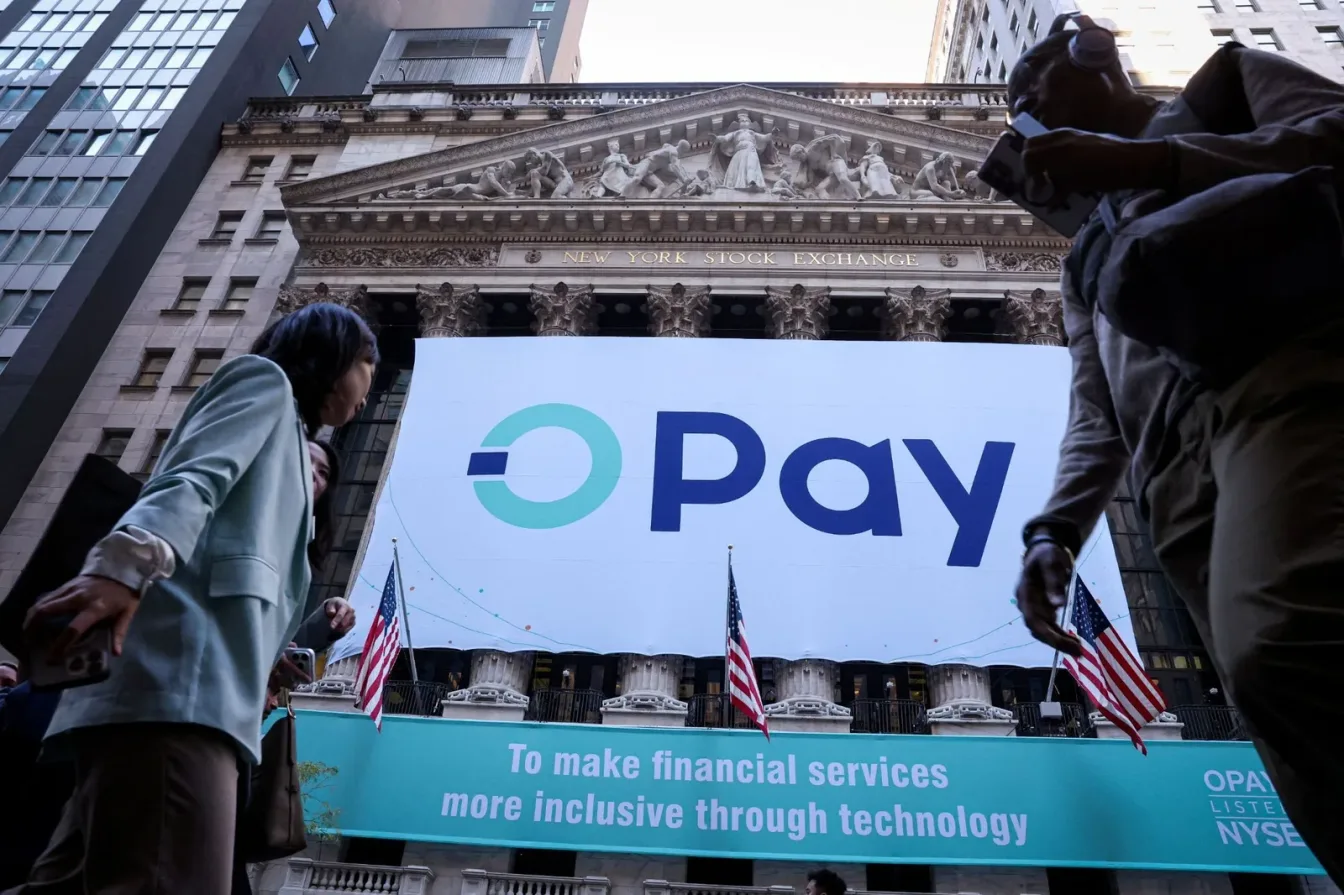
OPay’s abrupt withdrawal of its $304 million US IPO on Friday cast a shadow over one of Africa’s most ambitious fintech listings, after an undisclosed foreign regulatory inquiry derailed its New York debut.
On Friday, OPay had priced its American depositary shares at $19 each, the bottom of its target range, valuing the company at just over $4 billion. But trading never began: OPay and its underwriters terminated their agreement around 3.30 pm New York time, saying it was no longer prudent to proceed with the offering.
OPay, which primarily operates its payments service in Nigeria, did not identify the regulator or specify the subject of the inquiry. It described the jurisdiction involved as “immaterial to its core business” and said it expected the inquiry to be “concluded satisfactorily in the near future.”
The withdrawal represents a setback for Nigeria’s fintech sector and the wider African startup ecosystem, which has spent years trying to persuade global investors that its young companies can scale into major, publicly listed businesses that return funds to investors.
Know More
OPay, which launched in 2018 as a payments company, also outlined plans for a secondary listing on the Nigeria Stock Exchange after the NYSE debut to give local investors an opportunity to buy into a business that drives nearly nine-tenths of its revenue from Nigeria. But the F-1 filing warned investors that shares traded in Lagos may not be exchangeable for the New York-listed American depositary shares, potentially limiting liquidity and allowing prices to diverge.
A key part of the IPO is a broader strategic relationship with Standard Bank Group, Africa’s largest lender by assets. Its subsidiary, Stanbic Africa Holdings, has agreed to invest up to $200 million, subject to a formula that caps its stake at 4.99% of OPay after the offering. Standard Bank’s Africa head Lungisa Fuzile is expected to join OPay’s board following the IPO.
The two companies have also signed a non-binding memorandum of understanding to explore partnerships spanning payments, merchant acquisition, lending, remittances, and the distribution of selected banking and financial products. OPay suggested in the filings that it will use Standard Bank’s infrastructure, regulatory expertise, and presence to expand across Africa.