Opinion: Utah’s next energy boom could be nuclear
Utah needs more power. According to projections from the Utah Office of Energy Development, the state’s peak electricity demand could grow by nearly 50% over the next decade. Meeting that demand will require significant investment in new sources of reliable, affordable energy.
That’s why Utah’s potential role in America’s nuclear-energy industry is particularly timely.
The Department of Energy is considering our state as a potential host for a new Nuclear Lifecycle Innovation Campus, or NLIC. The campus would transform how residents of Utah and Americans across our country power their lives.
At just 27 years old, this entrepreneur is remaking America’s energy industry
How nuclear could benefit Utah
The estimated payoff for Utah is expected to be massive: up to $50 billion in capital investment, nearly 25,000 jobs and as much as $10 billion in state and local tax revenue. Utah Gov. Spencer Cox has compared its potential economic impact to Hill Air Force Base, which supports tens of thousands of jobs and contributes billions of dollars to Utah’s economy.
While coal remains our largest source of electricity, surging demand has prompted the state to explore how nuclear energy might augment existing coal, natural gas, solar and geothermal resources.
Utah needs more dependable power, our economy needs the investment and jobs that come with building new industries, and America needs a secure domestic nuclear fuel supply chain.
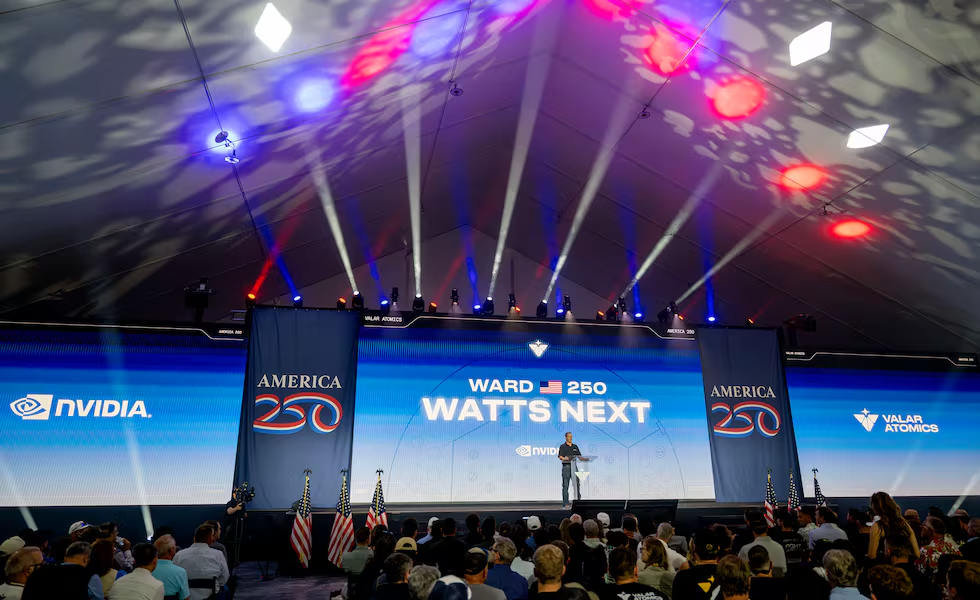
The Utah Office of Energy Development has launched a Strategic Nuclear Energy Pathway series to guide the state through further nuclear power development. Already in Utah, Valar Atomics is developing advanced reactor technology, while other companies have proposed nuclear manufacturing and power projects across the state. The state also remains home to the country’s only operating conventional uranium mill, which processes uranium ore used to make nuclear fuel, and has new uranium-mining projects moving through federal permitting.
An NLIC would build on this foundation, delivering quality energy, employment opportunities, and stronger energy independence. Utah’s leaders, including ]Cox and Sens. John Curtis and Mike Lee, have rallied behind the proposal, recognizing its potential to strengthen American energy independence, create thousands of good-paying jobs and secure domestic nuclear supply chains.
The project also aligns with Utah’s Operation Gigawatt initiative, which aims to double the state’s power production over the next decade and ensure Utah has the reliable, affordable energy needed to support continued economic growth.
The West’s next energy frontier is beneath a small Utah town
Protecting Utah while expanding nuclear energy industry
Those opportunities are worth pursuing, and Utah can do so the same way we have long made use of our natural resources: while protecting the land we call home. Utah is working in close partnership with the Department of Energy to ensure the people of our state have a voice in the design, terms, and implementation of this project.
No final decision has been made yet, and any agreement can set clear limits on water use, require secure transportation plans, and establish long-term waste storage safeguards that do not burden surrounding communities. Cox has already committed to pursuing the project through “responsible stewardship of the land and resources we’ve been entrusted with.” That is the right standard.
Importantly, this project would not just benefit Utah. It would also address a national problem the federal government has failed to solve for nearly three decades. The country currently uses nuclear fuel once and then stores it at reactor sites, even though more than 90% of its potential energy remains unused. The Department of Energy was supposed to solve this problem in 1998 by facilitating commercial recycling of spent fuel, but they never took the necessary steps.
An NLIC could recover the usable material and make it into new fuel, then permanently dispose of what remains. With advanced recycling and fast reactors, the stockpile already sitting around the country could provide more than a century of electricity at today’s demand.
A matter of national security
This is also a matter of national security. The United States remains dependent on foreign sources for important parts of its nuclear fuel supply chain, including uranium enrichment, while Russia and China have invested heavily in their domestic nuclear industries. That dependence creates vulnerabilities for our energy security and limits America’s ability to compete in a strategically important technology.
Valar Atomics’ nuclear reactor reaches criticality in Utah
Developing the capacity to recycle spent nuclear fuel here at home would strengthen our domestic supply chain, reduce reliance on foreign suppliers and help restore American leadership in nuclear technology.
Utah needs more dependable power, our economy needs the investment and jobs that come with building new industries, and America needs a secure domestic nuclear fuel supply chain. An NLIC could advance all three goals while putting Utah at the center of America’s nuclear energy future. With strong protections in place, Utah has an opportunity to help meet both our state’s growing energy needs and an important national security challenge.