Cranial radiosurgery homogeneity versus heterogeneity across delivery platforms: does one size fit all?
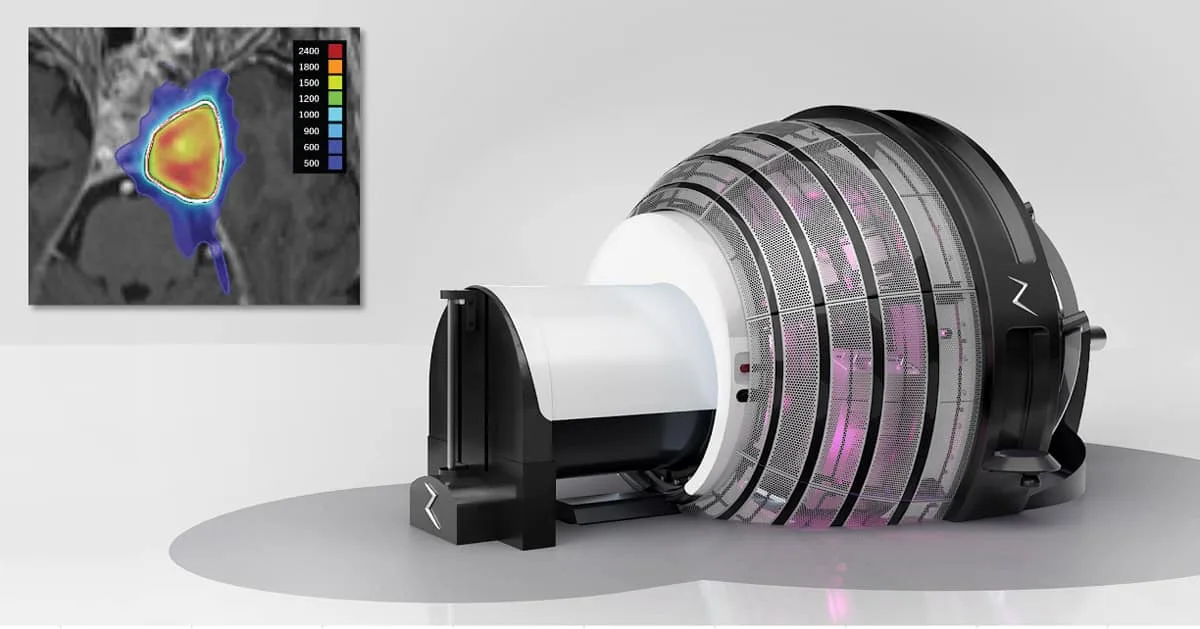
Stereotactic radiosurgery platforms have evolved around distinctly different treatment philosophies – including fundamental differences in prescription isodose selection. Dedicated radiosurgery systems have traditionally favored prescriptions near the 50% isodose line, while those that inherited principles of homogeneity from radiotherapy commonly prescribe closer to 80–90%.
But which philosophy is best supported by the evidence?
This webinar will move beyond convention and platform-specific dogma to examine what the literature tells us about prescription isodose selection and its impact on treatment quality and outcomes. Faculty will explore the strengths and limitations of different approaches, including potential effects on dose heterogeneity, conformity, dose gradient, normal brain exposure and local control.
Particular attention will be given to the approximately 50% prescription approach historically associated with dedicated radiosurgery systems. For clinicians transitioning to ZAP-X® Gyroscopic Radiosurgery®, the discussion will also address practical considerations and help build confidence in moving beyond more familiar 80–90% prescription paradigms.
Ultimately, we’ll ask: What prescription philosophy does the evidence suggest produces optimal SRS outcomes?

Ian Paddick began his career as a medical physicist in 1989, working at the Hammersmith Hospital, London. Since 1998 he has worked almost exclusively with the Gamma Knife, being responsible for more than 6,000 patient treatments. He is considered a world authority on treatment plan metrics, having formulated the Paddick Conformity Index and the Gradient Index. In 2003, Ian formed Medical Physics Limited; a group of physicists providing expert radiosurgery physics services to SRS centres in the UK, Europe and the US. He was the first physicist to be elected as president of the International Stereotactic Radiosurgery Society (ISRS). He currently serves as co-chair of the ISRS Certification Committee.
The post Cranial radiosurgery homogeneity versus heterogeneity across delivery platforms: does one size fit all? appeared first on Physics World.