States urged to let ranchers help shape wolf management policy
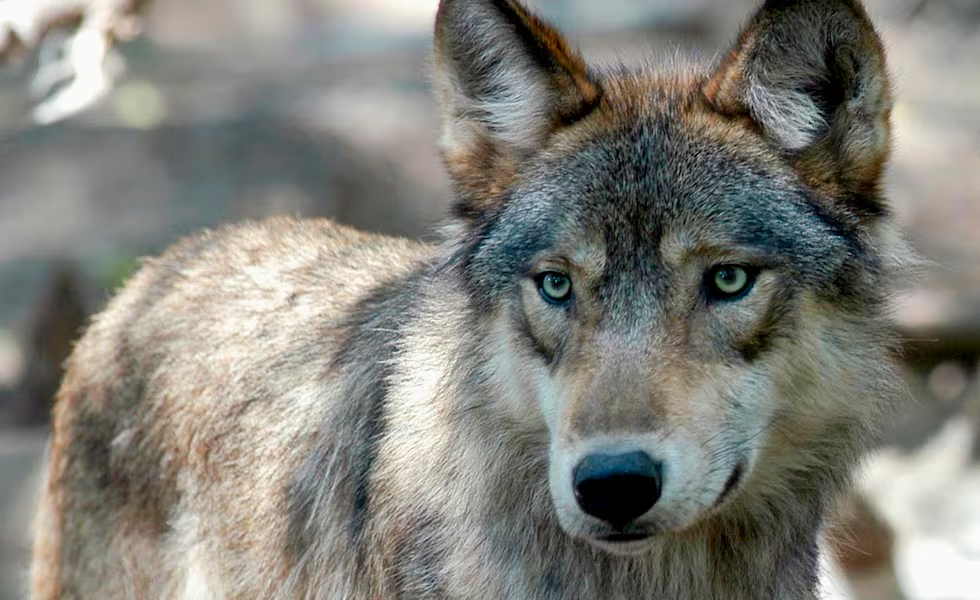
The U.S. Department of Agriculture published a request this week for states to reassess how they manage wolf populations. It did not include an ecological assessment but rather asked specifically for states to work with the USDA “to address wolf predation” of livestock.
The request urged states to review their current policies and include livestock producers in the process.
“For too long, America’s ranchers have dealt with wolves threatening and killing their livestock, their livelihoods, and the family operations they have spent generations building,” Agriculture Secretary Brooke Rollins said in a Monday statement.
“The most pro-rancher Administration in history will continue standing with our ranchers and working to rebuild the Great American Cattle Herd.”
For too long, American ranchers have watched wolves kill their livestock, threaten their livelihoods, and devastate family operations built over generations.
— Secretary Brooke Rollins (@SecRollins) October 13, 2026
ENOUGH IS ENOUGH.
Under @POTUS, we are putting RANCHERS FIRST. 🇺🇸
We are working directly with states to strengthen…
Supporting American ranchers
The USDA said the announcement is in response to President Donald Trump’s recent executive order titled Supporting America’s Ranchers.
“More can and should be done to support this critical industry, and my Administration will continue to act to protect our domestic producers,” according to the order.
It stipulates that the USDA, the U.S. Department of the Interior and other executive agencies do a complete policy and regulatory review of the ranching industry seeking ways to mitigate its burden.
The order also tasks the Interior with taking a hard look at wolves’ status under the Endangered Species Act and to delist the species — grey wolves and the Mexican wolf — if the department meets its criteria.
“As ranchers await federal clarity on this issue,” Rollins said, “I am urging states to listen to their producers, review state-specific wolf protections, and work with USDA wherever possible to protect livestock, including through lethal removal when requested by the appropriate authorities and authorized by law.”
How often do wolves kill livestock?
The Humane World for Animals contends that the Trump administration’s actions must be seen within the context of the broader beef industry.
“Make no mistake: Fewer than 1% of cows and sheep are killed by wild carnivores, including wolves, according to the U.S. Department of Agriculture’s own data,” reads the Humane World for Animals blog response to the executive order. “Removing protections for more of this intelligent, family-oriented species will result in untold death and cruelty for these animals.”
The organization formerly known as the Humane Society of the United States sees the timing of the request to delist wolves as political theatre rather than productive wildlife management, per the blog post.
“These orders are a performative pandering to American farmers and ranchers, recently angered and alienated by the president’s decision to ease tariffs on 300,000 metric tons of imported beef, and to quell anxiety about price increases for meat and other products in the U.S.”
What do wolves have to do with beef prices?
The executive order was published about a month after the Trump administration’s decision to import hundreds of thousands of pounds of foreign beef without tariffs.
But the decision was made amid a maelstrom of other forces and events that are affecting the broader American beef cattle industry. Those include drought, tariffs, international wars and foreign import competition.
The most immediate is that the national cattle herd is at a 75-year low, despite overall demand going up significantly in that time. The supply shortage is something that will take years to address.
Beef prices are at a record high. How a ‘perfect storm’ led to the increase
Also, beef prices are at all-time highs. While that might suggest producers are making more money, they’re bottom line is affected by rising costs, according to the BBC. The same scale of increase affecting all Americans is also hitting cattle ranchers and beef producers.
But that list of forces does include predators killing livestock. Among the wildlife that kills livestock, at least in a handful of states like Montana, Idaho and Wyoming, are wolves.
According to a 2015 report conducted by Humane World for Animals that drew from USDA data, predation accounted for the loss of more than 280,000 head of livestock in that year. With mature beef cows worth between $2,000 and $4,000 and sheep worth between $200 and $600, that represents a significant loss to producers.
Wolves were responsible for a little more than 10,000 of the livestock killed in 2015. Coyotes were the primary culprit, taking 143,731 animals. Of the rest, “unknown predators” killed 36,000, predatory birds 34,000, dogs 20,000 and mountain lions 13,000. That year, weather and health issues accounted for the loss of nearly 4 million head of livestock.
Could wolves be removed from federal protection?
In addition to asking that livestock producers help determine state wolf management policy, the request asks that states help raise awareness about wolf reporting. It seeks to ensure that ranchers know how to report wolf predation with the agencies that have federal approval to kill wildlife.
The request also wants states to share more information so ranchers know how to get compensated for qualifying predation of their livestock. In those instances, the Working Families Tax Cuts Act — which includes USDA’s Farm Service Agency increased Livestock Indemnity Program — grants repayment up to 100% of market value for the killed stock.
Besides the executive order and state policy reassessments, Congress has been working on dedicated wolf legislation.
In late 2025, the House of Representatives passed the Pet and Livestock Protection Act, which “directs the Department of the Interior to remove protections for the gray wolf under the Endangered Species Act of 1973.” The legislation stalled in the Senate in August.
Rep. Harriet Hageman, R-Wyo., who has long been an advocate for removing federal protection for predators, is one of the bill’s original cosponsors.
Gray wolves one step closer to losing federal protection
“American ranchers have been forced to deal with apex predators devastating livestock for far too long despite these protected species exceeding recovery goals long ago,” Hageman said as part of the USDA’s press release.
“Those who work around the clock to keep our shelves stocked and neighbors fed deserve to be fairly compensated for losses from D.C.-protected predators like the grey and Mexican wolf. I am pleased to see President Trump and Secretary Rollins taking steps to relieve our ranchers of unnecessary predators on their lands and deliver due compensation when losses happen.”