Nvidia has no obvious successor to Jensen Huang — and that's a problem
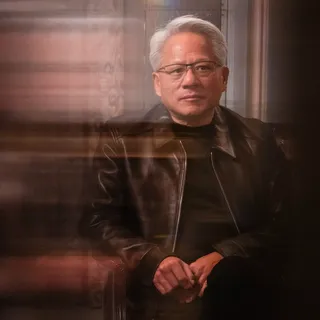
Nvidia is coming under fire for having no clear succession plan to replace Jensen Huang in the event that something unexpected happens — like an international incident with him at the center.
Why it matters: The spotlight on Huang shows the vulnerabilities of a large company being dependent on one executive — and the risks it poses to investors and customers, corporate governance experts tell Axios.
Catch up quick: Huang — who founded the chips giant, serves as its all-powerful CEO and exerts significant influence over the global AI economy — admitted to having an affair with a woman suspected of being a Chinese spy.
- Nvidia's board announced an independent investigation Sunday, and experts say Huang's chances of keeping his job are a coin flip.
The big picture: The company, by all accounts, has no clear bench of potential replacements.
- Huang famously has dozens of direct reports, ensuring that no single individual — other than him — has a wide-ranging purview at the company.
"The biggest issue is no human goes on forever, and this is exactly why you want a good succession plan in place if something like this were to happen," says Charles Elson, a corporate governance expert and former University of Delaware professor.
- "You can't base a company that big around one person. You just can't," Elson added. "What if he gets hit by a bus?"
- CEO succession planning is a standard practice for big public companies, and it's not clear whether Nvidia has a confidential plan.
State of play: The highest-profile member of Huang's executive team is Colette Kress, Nvidia's chief financial officer, who appears alongside him during the company's earnings calls.
- But analysts say Kress — who has spent her career in financial roles — isn't necessarily a natural successor to Huang in his role as an innovator and visionary for the AI age.
What they're saying: "It's ridiculous that they have nobody in management identified," says Jeffrey Sonnenfeld, a professor at the Yale School of Management who is one of the nation's premier CEO whisperers. And no one has been put through any kind of trial assignments to get them ready for the role, Sonnenfeld says.
- The lack of a clear succession plan suggests Nvidia's board was "asleep at the wheel," says Peter Jaworski, a business ethics professor at Georgetown University.
- Consequently, it's essential that the board now steps up and exerts its authority by ensuring that the investigation is thorough, independent, and "reveals as much as they can," Jaworski says. "Transparency is really critical."
For now, Nvidia investors are anxiously awaiting results of the probe — but in general, most say they are hoping he's able to stay.
- "In some ways he's irreplaceable," says Michael Monaghan, partner at Founder ETFs, an Nvidia investor.
- Monaghan says Founder ETFs — which specializes in backing founder-led companies — will sell Nvidia shares if Huang exits.
- "We don't really believe there is such thing as succession in these massive founder-led companies," Monaghan says.
Reality check: There are many examples of companies surviving and even thriving after a well-known headline-grabbing founder departs — think Travis Kalanick at Uber.
- "People thought he was so critical," says Sonnenfeld. The company did "far better when they got rid of him."
Yes, but: Nvidia might not have a choice.
- "We always think there's no chance this person gets fired, until they do – and this might be one of those cases," Georgetown's Jaworski says.
Nvidia reps had no immediate comment.
What we're watching: Sonnenfeld says that he's heard former Google CEO Eric Schmidt's name come up as someone who could steer the company if Huang has to step away.
- "I've heard it rumored. He could step in tomorrow and do a very good job," Sonnenfeld says.