It's About to Get Harder to Get a Refund for Delayed Flights

On October 19, a new rule by the Department of Transportation (DOT) will narrow the definition of what kind of flight disruptions are categorized as "air carrier delay." What sounds like a minor technicality will have a major impact on what you're entitled to as a passenger when a trip goes awry.
Your ability to get a refund for a delayed or canceled flight hinges on whether or not the flight disruption is considered to be within the airline's control.
At a time when airfare prices are soaring and your travel budget is already stretched thin, it's worth understanding how this seemingly technical change in definitions will impact your next trip. Here's how your rights are changing and what you can do to protect your investment under the new regulations.
What's changing about your right to a refund?
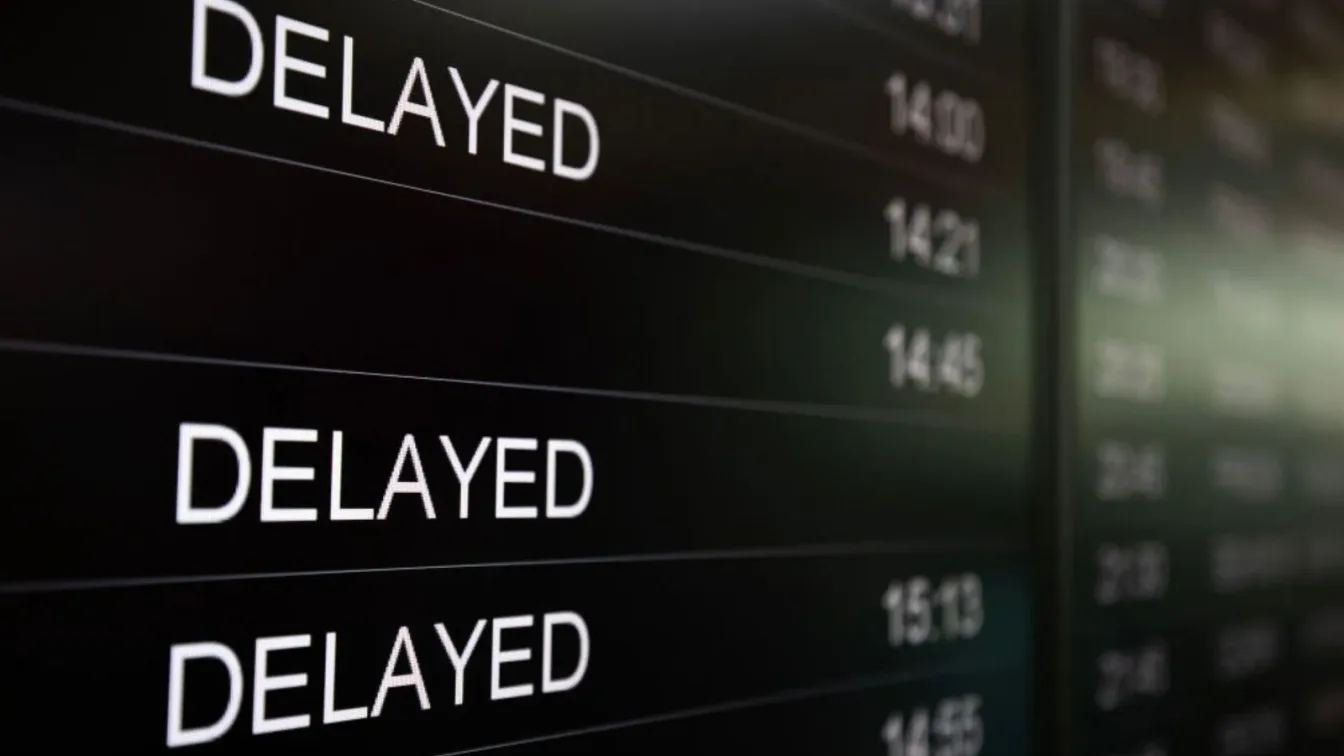
Technically, the new DOT rule is simply changing how certain events are categorized. Airlines are required to report their on-time performance to the Bureau of Transportation Statistics (BTS) every month. That report includes a breakdown of delays, cancellations and interruptions into a set of predefined categories.
One of those categories is called "air carrier delay" and includes all delays that the BTS considers to be within the carrier's control. The new rule removed the following 10 events from the list of delays that fall under the "air carrier delay" category:
- Medical emergencies that weren't caused by the carrier
- Removing an unruly passenger
- Airport closures caused by volcanic ash, wind or wind shear
- Unscheduled maintenance that must be addressed before flight
- Overheated brakes when caused by the use of those brakes in an emergency
- A government shutdown or system failure
- Cybersecurity attacks
- Aircraft damage
- Aircraft cleaning due to the death of a passenger
- Baggage or cargo loading delay when it's caused by a system outage or other factors not controlled by the carrier or its contractor
For passengers, however, it's more than just a change in definition. According to the DOT, passengers are entitled to a refund of the ticket price "if the airline significantly delays a flight or significantly changes a flight and the consumer chooses not to travel or accept travel credits, vouchers, or other forms of compensation offered by the airline."
In other words, with these 10 situations removed from the definition of what constitutes a delay caused by the airline, you now have 10 fewer situations where you're entitled to a refund or other form of compensation, including hotels and food vouchers.
That is, in fact, the intention behind the rule change. In the full text of the new rule published in the Federal Register, the DOT wrote, "it is expected that the total value of amenities and compensation currently provided by air carriers to consumers will be reduced under this final rule."
The goal with this category change is to create fewer scenarios in which you are entitled to a refund. That puts the onus on you to find other ways to protect your investment when you fly.

Get practical help to make better financial decisions in your everyday life, from spending to savings on top deals. Subscribe to Kiplinger's free newsletter, A Step Ahead.
How passengers can protect their money when traveling

The new rule will make it harder to get a refund from airlines. But you still have some rights and other means to fill the gaps created by the changing regulations.
- Check the DOT Airline Cancellation and Delay Dashboard to find out what compensation and guarantees your airline voluntarily provides. The page provides a clear breakdown of what major airlines have agreed to provide to consumers in various scenarios. As of this writing, it was last updated in September 2025, so you should double-check with your airline to see if the information is still current. But it's a good place to start, especially when booking, as you can see which airlines might provide the most protections if a flight goes wrong.
- Buy refundable tickets. If the delay is so long that you choose not to take the flight at all, it'll be less of a headache to get a refund on a ticket that's already refundable. These typically cost a little extra, but you won't have to worry about whether the delay you experienced qualifies for a refund or not under the new rules.
- Check your credit card for trip delay coverage. This is not the same as trip cancellation protection, which only kicks in if your flight is cancelled. Trip delay coverage will reimburse you for any pre-paid expenses lost (like the missed connecting flight or the lost night at the hotel from arriving a day late) as a result of a delayed flight. It may also cover the additional costs caused by the delay, like last-minute accommodations and meals while waiting for your flight.
- Ask for a refund anyway. The "air carrier delay" category still exists, which means there are still situations in which the delay is considered to be within the airline's control. In those situations, you are still entitled to a refund. Even if you're not sure of the reported cause of the delay in the moment, it doesn't hurt to call customer service and ask for a refund just in case. Typically, if you have travel insurance through your credit card or a separate policy, you need to try to get a refund from the airline as a first step before filing a claim anyway.
Pack your bags and earn rewards. Kiplinger chose the top travel rewards cards for airline, hotel and other perks to help you save money. Explore Kiplinger's top travel card picks.
Powered by Bankrate. Advertising disclosure.
Between higher ticket prices and fewer ways to get that money back if something goes wrong, protecting your trip is more important than ever. If your card doesn't offer trip delay coverage, buy travel insurance that does. This is a good way to fill in the gaps and make sure you can get your money back if your trip is interrupted or ruined for just about any reason.