How modern gaming technology is bringing greater realism to horse racing simulations
Advances in graphics, physics engines and artificial intelligence have transformed the way sports are represented in video games, with horse racing simulations offering an interesting example of the industry’s technical progress.
Sports simulation games have changed considerably over the past two decades, supported by improvements in console hardware, animation technology and software development.
While football and motorsport remain prominent genres, horse racing has also appeared in gaming through titles that attempt to reproduce the movement of horses, the characteristics of racecourses and the tactical elements of competition.
The development of more powerful gaming systems has given developers additional tools for creating detailed sporting environments.
For PlayStation enthusiasts, these advances highlight how simulation technology continues to influence the wider gaming industry.
Horse racing’s history in video games
Horse racing has featured in video games for several decades, with early titles relying on relatively simple graphics and gameplay systems.
One established series is Gallop Racer, which appeared on multiple PlayStation platforms and introduced players to virtual horse racing through structured competitions and management elements.
Another example is G1 Jockey, a series that focused on recreating aspects of professional race riding.
These titles demonstrated how developers could adapt a traditional sporting activity into an interactive format.
Although their graphical capabilities were limited by the hardware available at the time, they established several design principles that remain relevant to modern sports simulations.
These include responsive controls, realistic movement and the presentation of sporting information within an accessible interface.
Improved graphics create detailed environments
Modern gaming hardware supports more sophisticated visual effects than earlier console generations.
Developers can use detailed textures, advanced lighting systems and complex environmental models to create convincing virtual locations.
In horse racing simulations, these technologies can be applied to racecourses, grandstands, weather conditions and the appearance of horses.
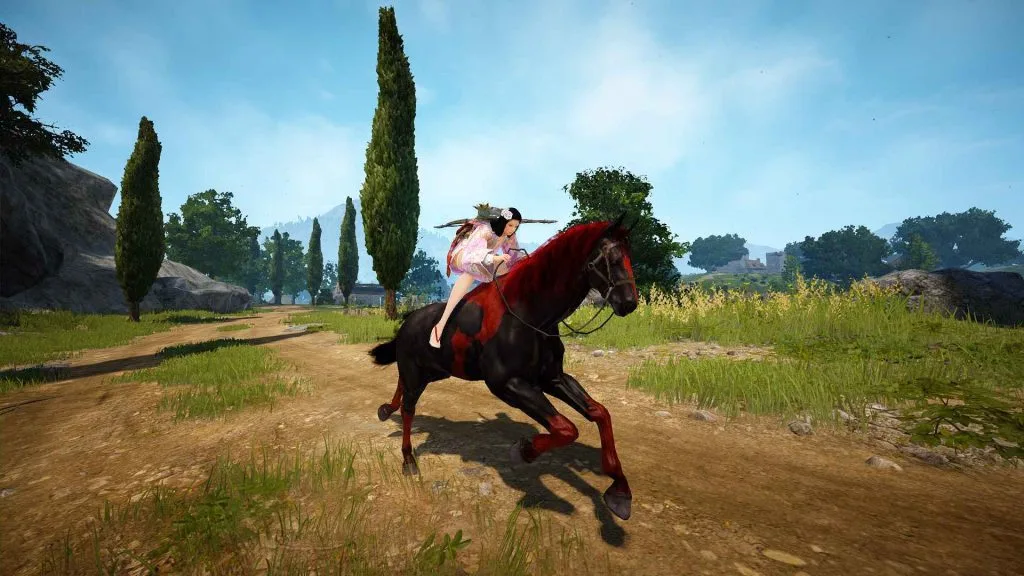
Animation is particularly important because accurately representing the movement of a galloping horse requires careful attention to the relationship between its legs, body and overall momentum.
Motion capture and procedural animation techniques offer different approaches to creating believable movement.
The effectiveness of these methods depends on how they are implemented and the technical resources available to developers.
Physics engines and simulation design
Physics systems are another important part of modern sports gaming.
In racing titles, these systems help determine how virtual objects respond to movement, collisions and environmental conditions.
For horse racing simulations, developers may need to account for acceleration, changes in direction and interactions between competitors.
The objective is to create movement that appears consistent with the sporting activity being represented.
However, realistic simulation involves balancing technical accuracy with gameplay design.
A system that reproduces every aspect of real-world movement may not necessarily provide the most accessible interactive experience.
Developers therefore make decisions about how closely their software should represent physical conditions and which elements should be simplified.
Digital technology across the racing industry
The development of interactive racing simulations also reflects broader changes in how sporting information is presented digitally.
Professional racing organisations, broadcasters and online information services use digital systems to display schedules, race records and historical results.
Similar information can appear across different types of platforms including sports databases, simulation games and horse racing betting sites like Monopoly Casino.
Although these services may reference the same sporting events, their purposes and operating requirements differ.
Simulation games focus on interactive entertainment, while information services and regulated gambling platforms have separate functions.
This distinction is important when examining how digital technology is used across the wider racing industry.
Artificial intelligence in sports simulations

Artificial intelligence has become another area of development within sports gaming.
Computer-controlled competitors can be programmed to respond to changing conditions, follow particular behaviours and interact with other participants.
In horse racing simulations, these systems can influence how virtual competitors navigate a course or respond to surrounding activity.
Developers may use predefined rules, behavioural models or other computational techniques to manage these interactions.
More sophisticated systems can support varied gameplay scenarios, although their effectiveness depends on the quality of the underlying design.
AI technology is therefore one of several tools available to developers rather than a guarantee of realistic gameplay.
The future of horse racing games
The continued development of console hardware and software tools provides opportunities for further experimentation with sports simulation.
Improvements in animation, environmental rendering and artificial intelligence could support more detailed representations of horse racing.
However, the commercial development of new titles will depend on factors including audience demand, production costs and publisher priorities.
For PlayStation audiences interested in the history of sports gaming, established horse racing franchises provide examples of how developers have approached a specialised sporting genre.
As simulation technology continues to advance, the principles of responsive controls, convincing animation and accessible design will remain central to the development of interactive sports experiences.
The post How modern gaming technology is bringing greater realism to horse racing simulations appeared first on PlayStation Universe.