Romancing SaGa 3: Destinies United – Exclusive Interview With Producer Shinichi Tatsuke
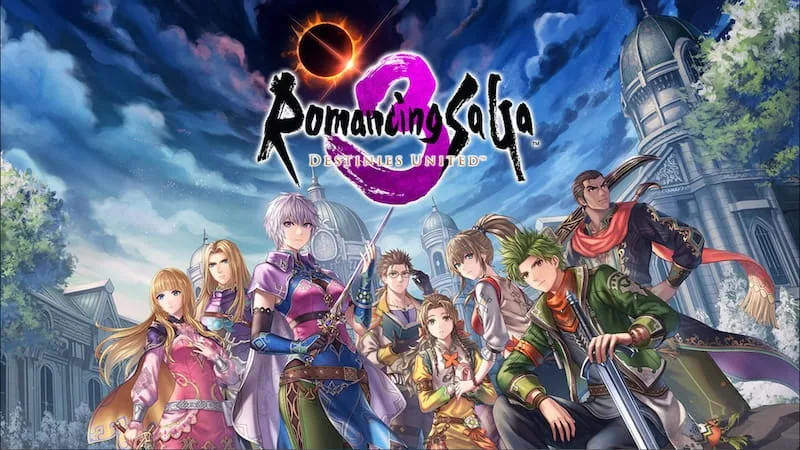
Romancing SaGa 3: Destinies United is the next remake in the SaGa franchise, bringing the last SNES instalment into the modern era. We had an opportunity to speak with Destinies United Producer Shinichi Tatsuke about bringing this much-loved title to the modern era. PSU also got hands-on with Romancing Saga 3: Destinies United and came out impressed with what we played.
PlayStation Universe – Garri Bagdasarov
PSU:
The Romancing SaGa is one of the classic RPG sagas from the Super Famicom. This may be the first time many people get to experience Romancing SaGa 3. Though it may not have been celebrated as much as Final Fantasy and Dragon Quest, how does it feel to get a second chance to introduce this historic franchise to modern audiences?
Mr. Tatsuke:
I believe the SaGa franchise has its own unique charm that sets it apart from FINAL FANTASY and DRAGON QUEST.
In particular, features like the Freeform Scenario system, where the adventure changes based on the player’s choices, and Glimmers, where players learn new Techniques during battle, offer a kind of fun that other RPGs don’t have.
I’m very pleased that the positive reception of the previous title, Romancing SaGa 2: Revenge of the Seven, led to this remake of Romancing SaGa 3.
Following in the footsteps of the previous title, I hope that not only fans of the original series but also many people who may not be familiar with the SaGa franchise will enjoy this game and discover what makes the series so special.
PSU:
Romancing SaGa 3 had eight protagonists for you to choose from at the start of the game. Can you talk about any narrative changes coming to the game’s remake? Will we see new characters appearing to join your party? Will the main storyline be more fleshed out this time around? Will selecting different characters at the start have major changes to the narrative and how players experience it?
Mr. Tatsuke:
We’ve added events that further explore the protagonists’ motivations for embarking on their adventures, which weren’t fully developed in the original game. This also makes it easier to understand why they need to close the Abyss Gates. Additionally, while players selected a protagonist at the start of the original game, we’ve changed this so that players can first experience the Loanne insurrection, get to know all eight characters, and then choose their favorite protagonist. Of course, the story unfolds differently depending on which protagonist you choose, and the core appeal of being able to freely explore the world remains unchanged.
As for the new characters who will join your party, we aren’t able to share any details at this time. We hope you’ll look forward to future updates.
PSU:
Romancing SaGa 3’s open-ended gameplay was a milestone in 1995. Giving the player the choice of when to complete objectives to move the narrative forward was a bold choice. Will this open-ended direction return for Destinies United? Will players still get locked out of scenarios and quests if they complete certain objectives before others?
Mr. Tatsuke:
The Freeform Scenario system is one of the greatest appeals of Romancing SaGa 3, so we’ve made sure to preserve this aspect in the remake as well.
While the order in which you achieve your goals can still affect how some scenarios unfold or make certain quests unavailable, we’ve done our best to provide safeguards against content becoming inaccessible in ways that might feel unreasonable or unexpected.
PSU:
One of the biggest complaints about the original game is being locked out of some recruitable characters. Will this be preserved in Destinies United, or will players be able to unlock all the party members this time around?
Mr. Tatsuke:
In this game, you can recruit every character, regardless of which protagonist you choose. For example, in the original game, you could only recruit Katarina if you chose her as your protagonist. In this version, however, you can recruit her even when playing as a different protagonist.
Additionally, the original game had a restriction that prevented Mikhail and Monika from being in the same party, but in this version, you can recruit both of them.
Since the game features so many unique and charming characters, we hope players will enjoy putting together their parties with their favorite characters, with more freedom than ever before.
PSU:
The Romancing SaGa games have always taken a unique approach to leveling and character progression. In Romancing SaGa 3, characters didn’t earn EXP at the end of battle; instead, their stats increased based on their actions during battle. Will this experience system return in the remake, and will the Glimmer system see many changes or improvements from what we saw in Romancing SaGa 2: Revenge of the Seven?
Mr. Tatsuke:
Yes, we’ve retained the original game’s fundamental mechanic, in which characters grow based on their actions in battle.
One of the defining features of the SaGa series’ battle system is that character growth isn’t simply a matter of defeating strong enemies to earn experience points (Technique Points); it also depends on the actions players choose to take during battle.
While there are no changes from Revenge of the Seven, we’ve improved aspects that were difficult to understand in the original game, such as displaying a lightbulb icon next to abilities that are more likely to trigger a Glimmer.
Thank you for your time. PlayStation Universe congratulates Square Enix and Shinichi Tatsuke on the upcoming release of Romancing SaGa 3: Destinies United.
The post Romancing SaGa 3: Destinies United – Exclusive Interview With Producer Shinichi Tatsuke appeared first on PlayStation Universe.