In The Crosshair #8: Is kyousuke a problem for Falcons?
Falcons’ wins have increasingly depended on kyousuke as much as on m0NESY, as both Russian stars have become the team’s central pillars. Yet, kyousuke’s inability to perform in playoffs has become a major threat to Falcons’ trophy-contending potential. But the 18-year-old has quickly developed a rather concerning habit of following up extraordinary performances with equally disappointing ones.
Take IEM Beijing, for example. kyousuke destroyed HEROIC with a 1.90 rating, only to finish Falcons’ elimination match against NAVI with a 0.77 rating later the same day. And this wasn’t an isolated incident. Similar performances have repeatedly appeared throughout the second half of the year.
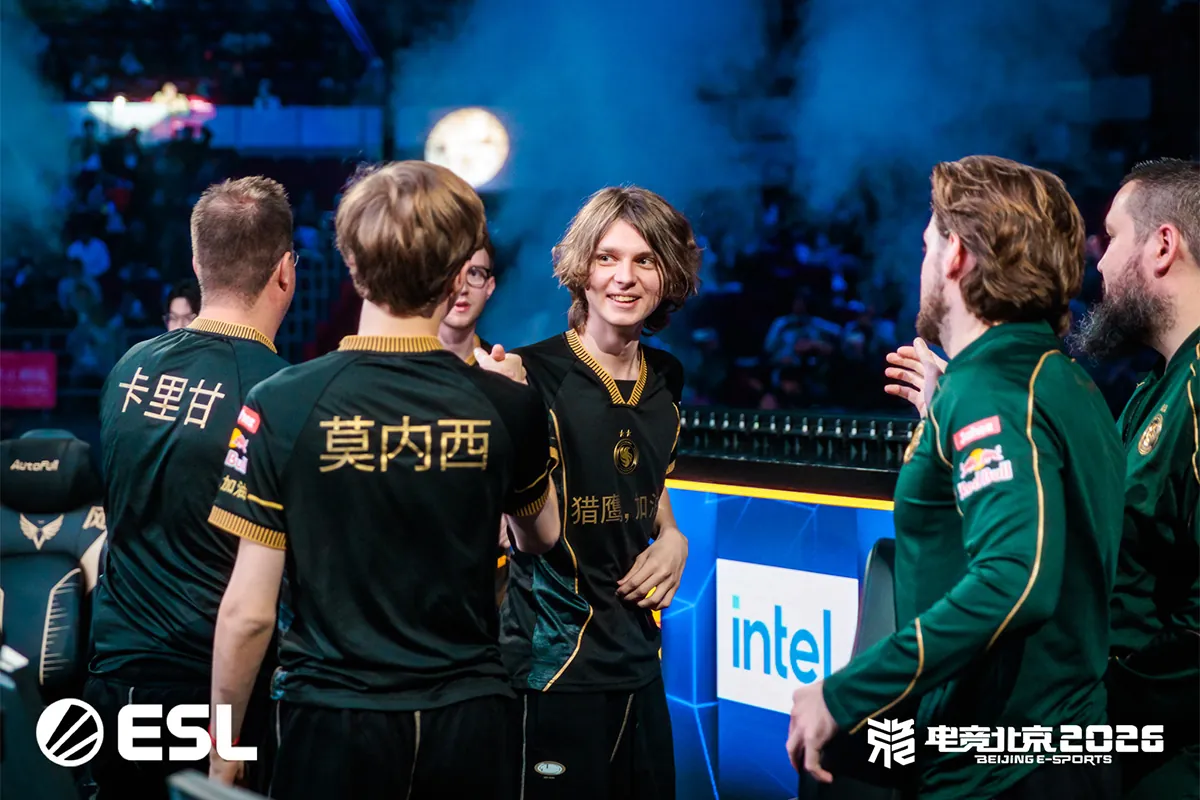
So, is kyousuke simply an aggressive player whose performances naturally fluctuate, or is there something about the way Falcons use him that makes those fluctuations worse? That’s what I want to explore as we put kyousuke In The Crosshair this week.
An extraordinary ceiling, but an equally worrying floor
As I went digging into kyousuke’s performance, the most fascinating example of his volatility came against Legacy at BLAST Open Porto in August. In the best-of-three, he started with a 2.01 rating on Mirage, fell to a disastrous 0.47 on Ancient, and then recovered with a 2.10 on Dust2. All three performances came against the same opponent, in the same series.
Looking at his last 53 maps, the pattern is everywhere. He has recorded a rating of at least 1.30 on 17 occasions, including nine maps at 1.60 or higher. But he has also fallen below 0.70 on ten occasions. For someone expected to be one of Falcons’ primary sources of firepower, that’s not ideal.
And it hurts to admit this as a karrigan fan, but this wasn’t nearly as pronounced under kyxsan. In his final 53 maps under the Macedonian IGL, kyousuke recorded 20 maps above or equal to 1.30, including nine at 1.60 or higher. However, he fell below 0.70 just twice, compared with ten times in his latest 53 maps under karrigan. His map-to-map rating variation has also increased, with the standard deviation rising from 0.37 to 0.47.
So this means that kyousuke hasn’t necessarily lost the ability to produce extraordinary performances, considering he is still reaching those heights just as frequently. But his floor has dropped considerably. And in many ways, this has more to do with the calling than kyousuke’s own individual prowess.
Is kyousuke’s volatility a CT-side or T-side problem?
kyousuke’s struggles aren’t exclusive to either side. Looking at his ten maps rated below 0.70 over the last three months, his T-side was the weaker half on six occasions, while his CT-side was worse on four.
I dug deeper to correlate this to his opening duels, and sure enough, I found the same pattern again. Across those six poor T-side performances, kyousuke managed just four opening kills against 13 opening deaths. His CT-side failures tell an even more interesting story. Across the four maps where CT was his weaker side, kyousuke recorded zero opening kills and 14 opening deaths.
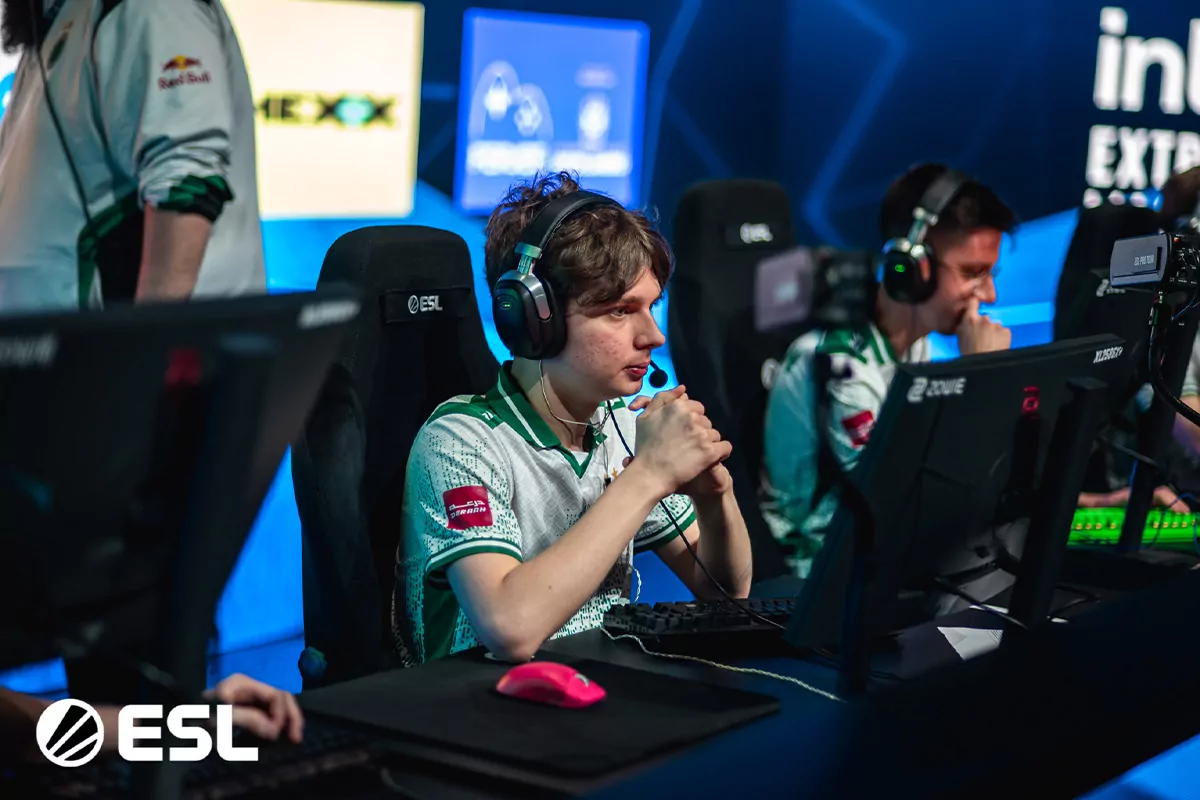
While the sample is relatively small, his worst T-side performances sometimes involve losing opening duels, but can also come from failing to make an impact beyond those early fights. On CT, however, his struggles are more closely tied to losing opening duels. For a player whose greatest strength is his aggression, those unsuccessful early engagements will be costly.
Is a lack of support contributing to kyousuke’s struggles?
One possible explanation for kyousuke’s volatility could be the support he receives from his teammates, especially when taking aggressive fights. On the six maps where his T-side was weaker, his teammates averaged just 0.22 flash assists per round, compared to their usual 0.28, a drop of 22%. m0NESY’s numbers fell from 0.12 to just 0.02 flash assists per round, while TeSeS dropped from 0.08 to 0.04. Interestingly, karrigan’s numbers actually increased from 0.05 to 0.15, so it may not be karrigan himself contributing to the decline.
But the same pattern isn’t there on the CT side, which saw flash assists drop by just 5%, from 0.20 to 0.19 per round. And yet, kyousuke recorded zero opening kills and 14 opening deaths across those four CT halves. So while kyousuke’s T-side struggles could partly be associated with reduced successful utility support, his CT-side inconsistencies may have more to do with his positioning, timing, and selection of fights.
The work is cut out for kyousuke
kyousuke himself has already identified a potential problem. Speaking to HLTV in October, he said that his biggest challenge was understanding when he could afford another peek and when he needed to hold back. His solution was to become “a bit smarter, being a bit more disciplined.”
But that’s easier said than done when aggression is fundamental to your identity. In a November interview, m0NESY said that kyousuke sometimes overthinks his responsibilities during official matches, especially his communication and the feeling that he must constantly make something happen.
And maybe this is where the problem lies. When kyousuke is confident, his decision-making appears natural, and his mechanics do the rest. When things start going wrong, he may become caught between forcing an impact and trying to play more carefully.
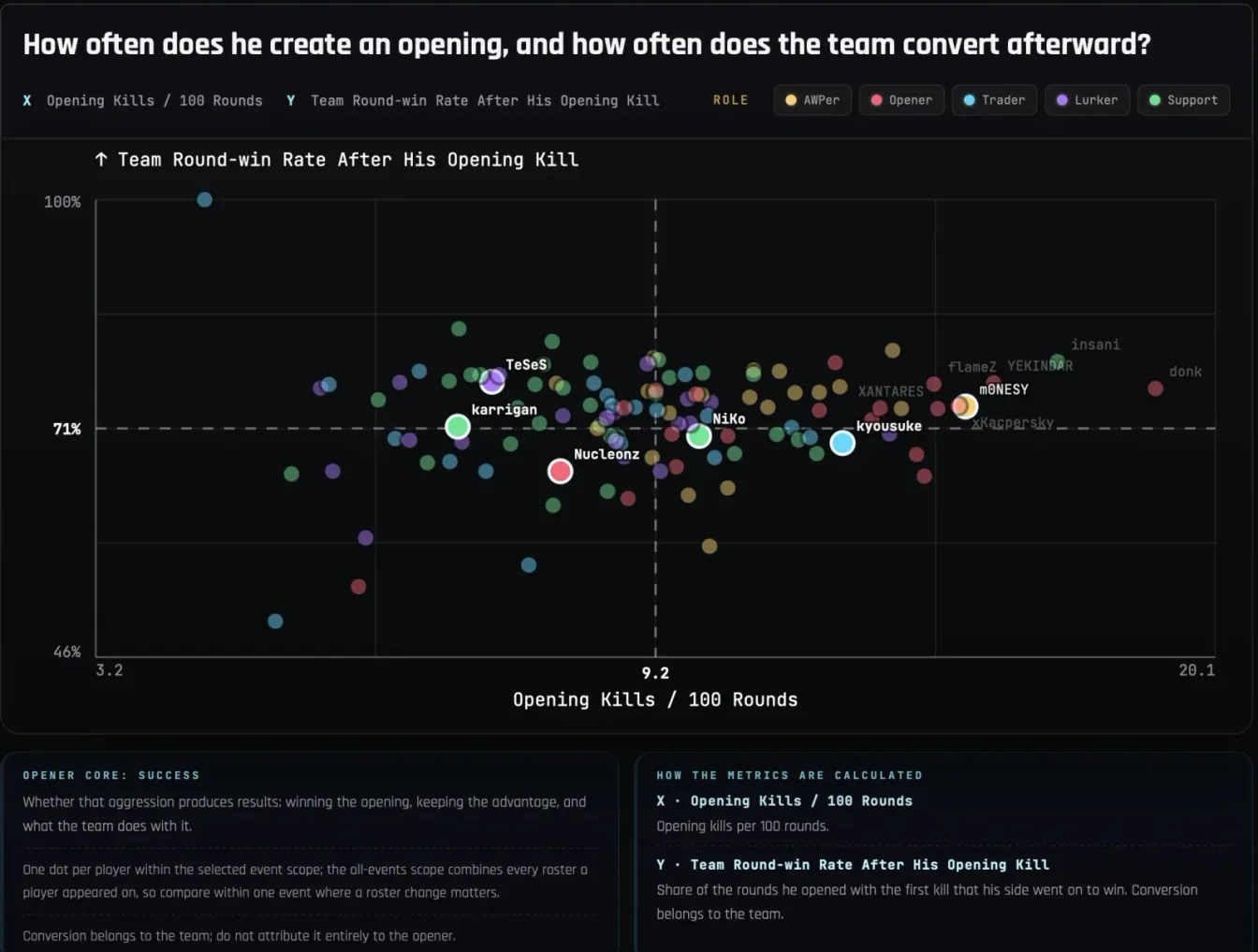
For him, finding consistency shouldn’t necessarily mean sacrificing his aggression. As the scatter plot shows, he records 11.5 opening kills per 100 rounds, second only to m0NESY on Falcons. More importantly, Falcons convert nearly 70% of the rounds in which he finds the opening kill, highlighting just how valuable his early impact can be.
That volatility is what makes him so difficult to solve. Falcons need him to take those risks, but his tendency to lose opening duels on bad days can also become a liability. The challenge, then, isn’t to make kyousuke a more passive player, but to help him find the right balance between aggression and restraint. And with Falcons preparing to defend their Major title in Singapore, finding that consistency could be the key to finding their winning ways again.