The Symbolism of Autumn in Queer Cinema
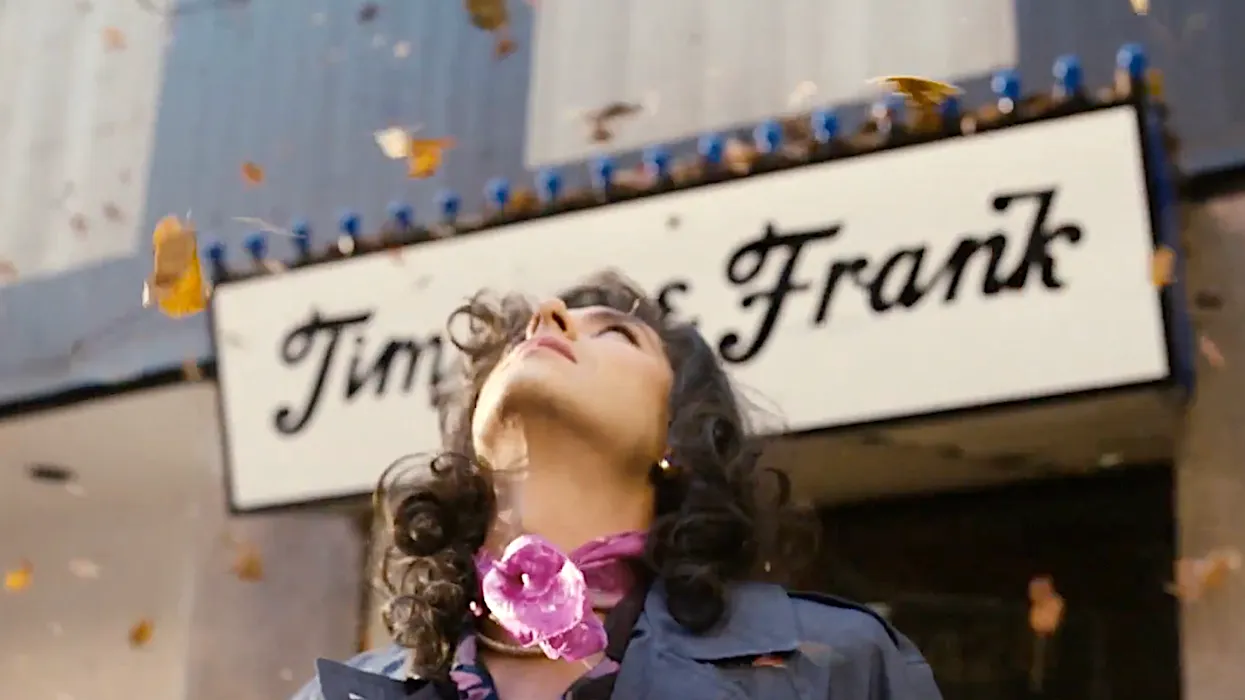
The crunch of leaves under a character’s feet can find them walking beside a special someone or have them walking away in defeat.
Autumn is a time of change between the summer and winter seasons, and that makes for some nifty symbolism when heartbreak and burgeoning romances are in the air as the leaves flutter down. That is what the following six queer movies do when the autumn aesthetic on-screen is more than just a pretty backdrop.
Whether you’re watching as a viewer or you want to think like a filmmaker, seeing how autumn is used can leave you feeling as cozy as a cup of hot apple cider —and be a smart narrative tool to bring out important symbolism.
Let’s get into it.
Getting Inside a Character’s Head
I Killed My Mother (2009)
 'I Killed My Mother' Credit: K Films Amerique
The title of this French-Canadian movie isn’t literal; it comes from the contentious relationship between teen Hubert (Xavier Dolan), who wants to separate himself from his single mother Chantal (Anne Dorval).
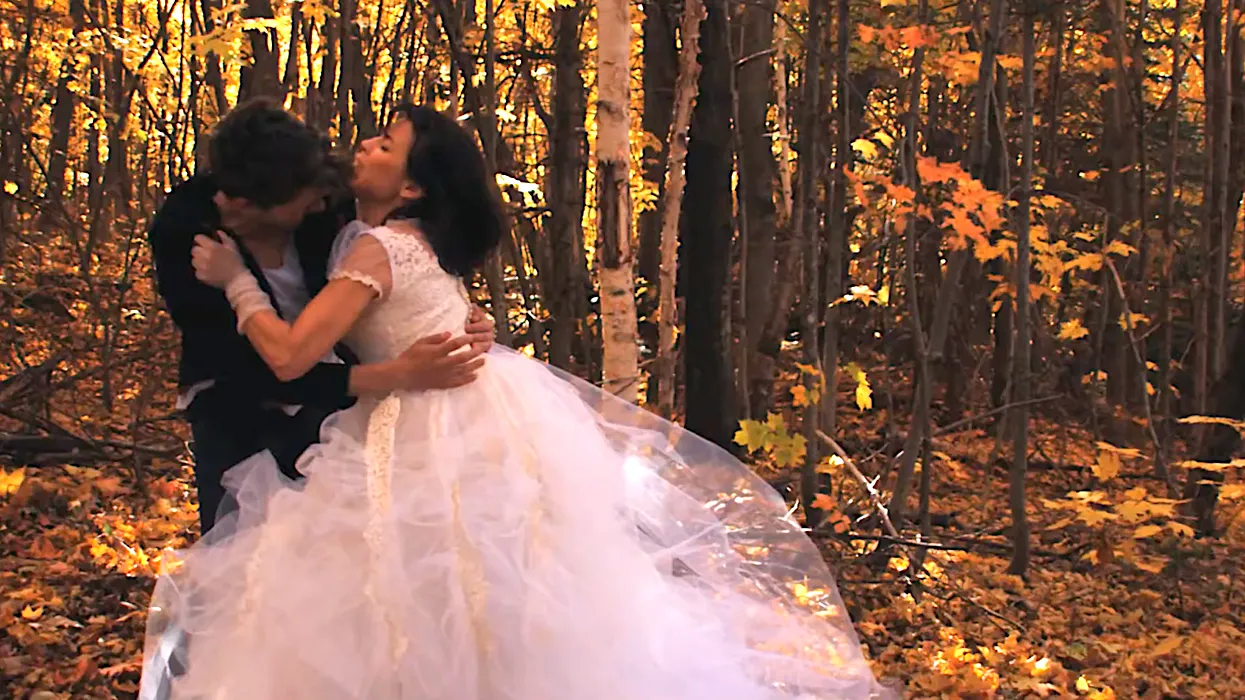
Starring and directing this movie, Dolan introduced the cinematic style he would return to in his projects by using fantasy sequences to understand where his characters are emotionally. An evocative example of this comes near the end of I Killed My Mother, after car rides that end in quarrels, Chantal feeling hurt that Hubert has never told her about his boyfriend, and plenty of other drama between mother and son.
The sequence takes place in woods that are ablaze in orange and yellow leaves, both on the tree and on the ground. The sunny sky makes the colors pop even more as Hubert chases after Chantal, who is dressed in a wedding dress. Each time he gets close, Hubert fails to stop her from running ahead.
The slow-motion in the sequence, and the song “No Sleep / No Walk” by Surface of Atlantic that plays, create a mood that is beautiful and mournful, as you see Hubert’s emotional state. You are seeing him try to stop his mother from saying her vows, essentially stopping his birth.
A Fantastic Woman (2017)
 'A Fantastic Woman' Credit: Sony Pictures Classics
This magical realism drama follows Marina (Daniela Vega), a trans woman who grieves the loss of her lover at the same time that she is forced to endure transphobia by her lover’s disapproving family.
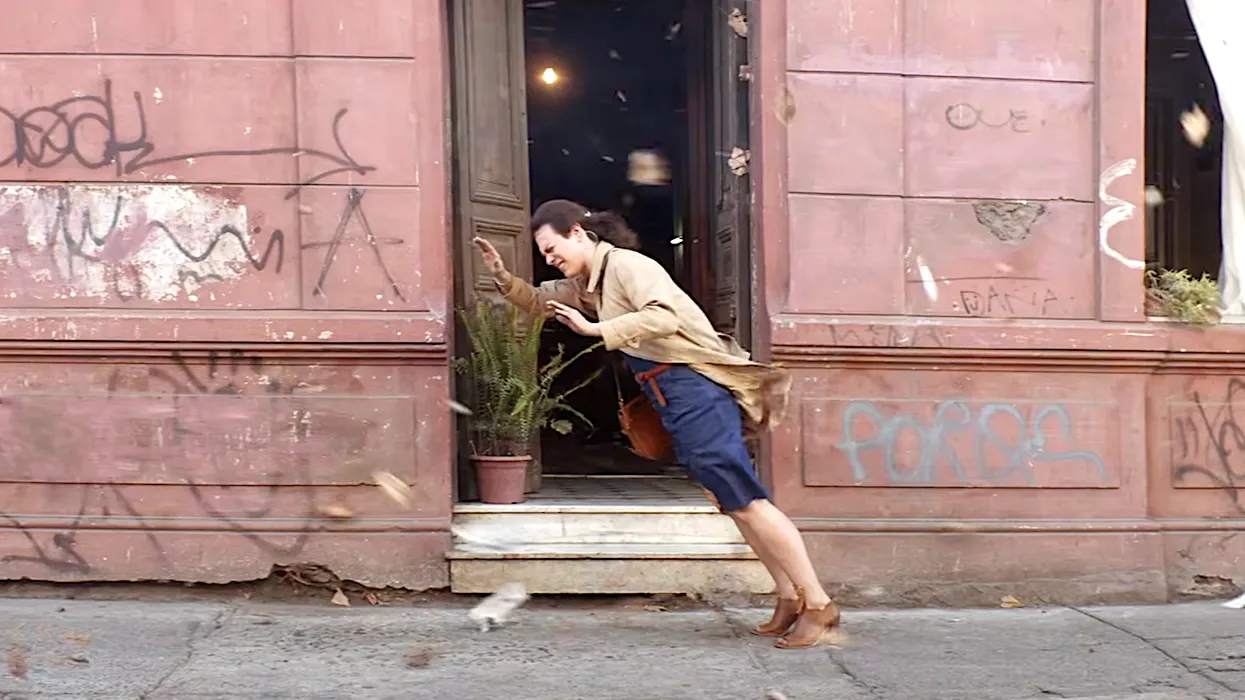
Directed by the late Sebastián Lelio, this Chilean movie blends painful reality with vibrant internal fantasies. After dealing with a dehumanizing inspection by the police, Marina visits her vocal coach, where she imagines a scenario as she practices singing.
In a long take, we see a version of her walking down a city street as a breeze, directly into gusts of wind that build in intensity. She stands her ground, though, not letting herself be pushed back. The autumn aesthetic here is represented through this windstorm that sends brown leaves flying past her, along with other debris.
It symbolizes the transphobia that batters Marina, which can seem insurmountable. But not even a force of nature can stop her from living her life authentically.
The End of a Relationship
Laurence Anyways (2012)
 'Laurence Anyways' Credit: Alliance VivaFilm
The next Dolan-directed movie to make it on this list (there will be one more) follows a decade in the romance and falling out between Laurence (Melvil Poupaud), a trans woman, and her cisgender girlfriend Fred (Suzanne Clément), who struggles to accept Laurence’s true self.
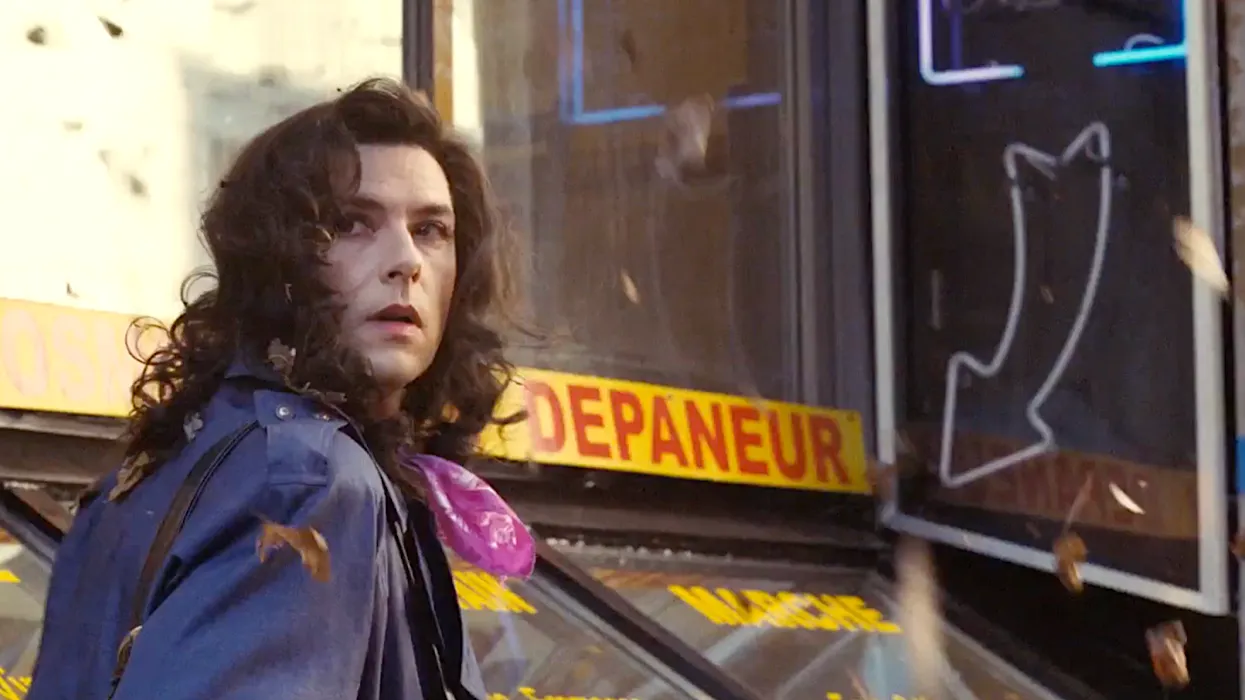
There are spectacular fantasy sequences that depict the emotional headspace of both Laurence and Fred as their relationship becomes strained, they become exes, and they reunite. But their romance cannot work in the end, and their last encounter takes place in autumn.
They meet at a bar, yet they don’t have the words for a goodbye. It’s a somber scene as they sneak out from different exits, stepping into the fierce gust of wind outside that blows brown leaves everywhere around them.
Unlike Marina’s perseverance in A Fantastic Woman, Laurence and Fred accept there is nothing left for them to fight for. They let the wind pull them away from each other.
A Love Story Begins
Imagine Me & You (2005)
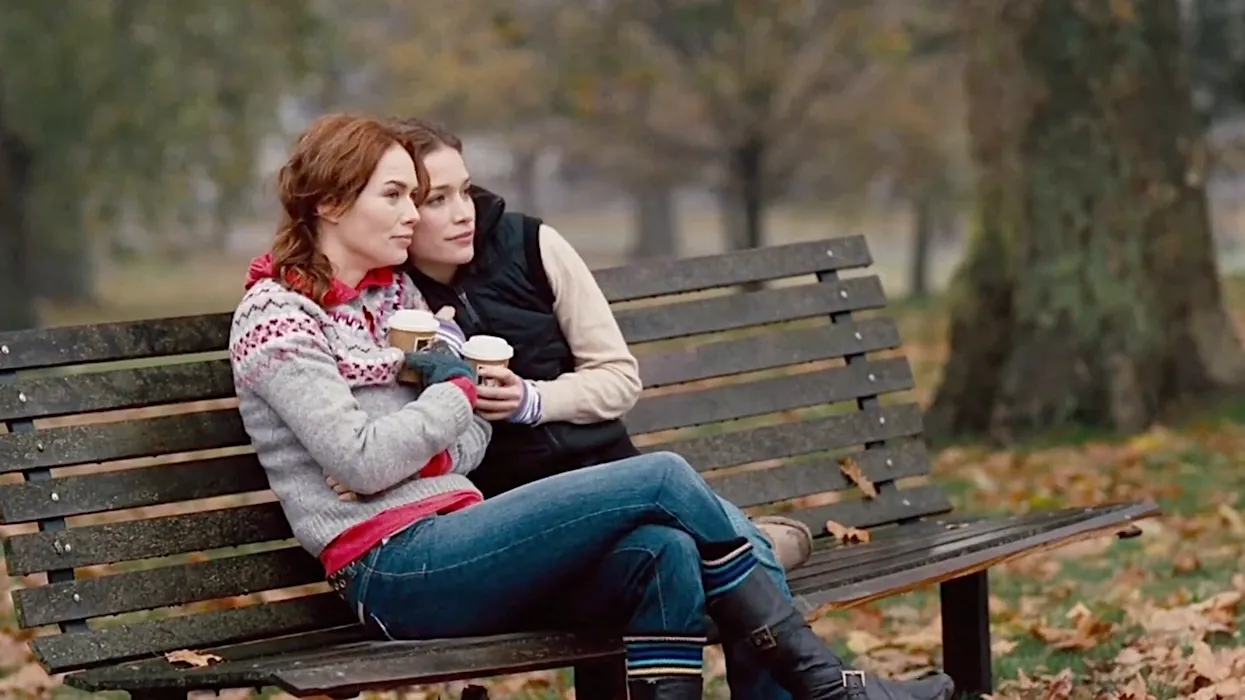 'Imagine Me & You' Credit: Fox Searchlight Pictures
This British feel-good rom-com is about newly married Rachel (Piper Perabo), who slowly realizes that she has fallen in love with someone else. Her husband is sweet, but Rachel is unable to stop the pull she feels toward flower shop owner Luce (Lena Headey), who also realizes her feelings for Rachel are just as strong.
The North London setting in Imagine Me & You is set in autumn, with Primrose Hill Park an especially important location. Brown leaves are scattered across the grass when Rachel and Luce contemplate the fallout after finally kissing. But Rachel is meant to be with Luce, and after confronting this truth with her husband, the women reunite. The use of autumn represents the end of Rachel’s marriage and the start of her new relationship.
During a montage sequence over the credits, a final glimpse of Rachel and Luce is them sitting close on a bench in Primrose Hill, with hot drinks to keep themselves warm. It’s this autumn-esque moment that offers a casual gesture of love between the two. Surely, this won't be the last autumn they spend together.
A Fading Love Triangle
Heartbeats (2010)
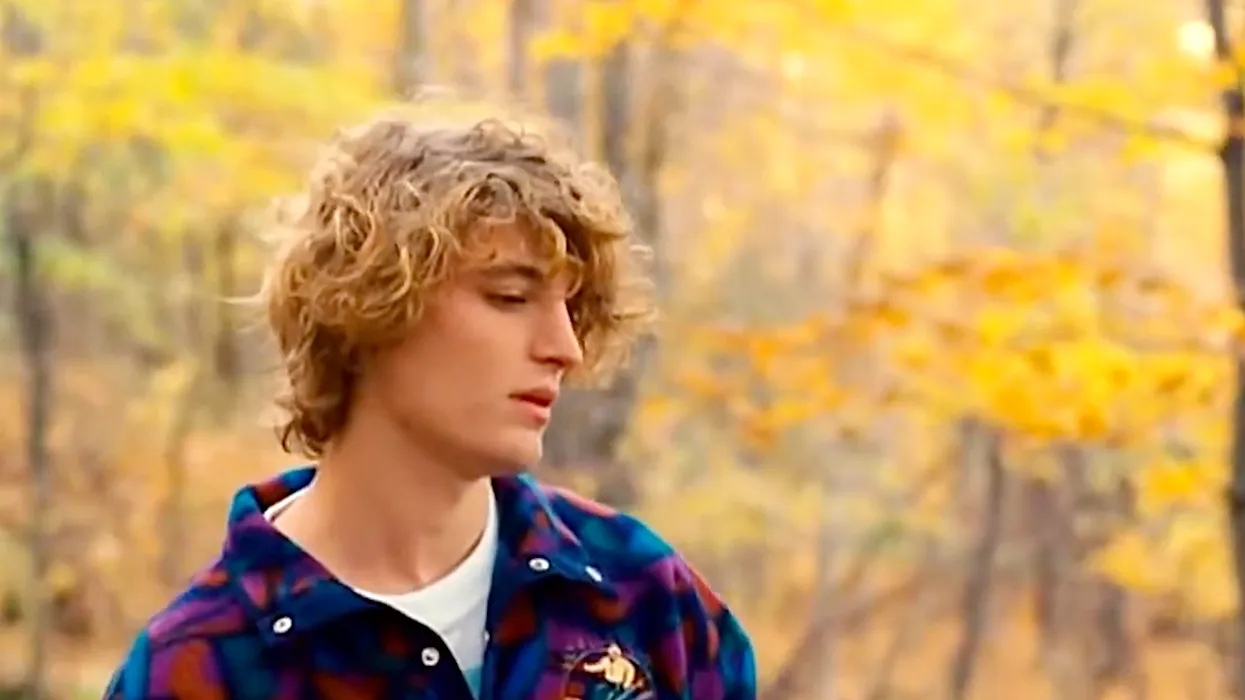 'Heartbeats' Credit: Remstar Distribution
In one more Dolan-directed movie, there is a bigger emphasis on autumn in the story. Two friends, Marie (Monia Chokri) and Francis (Dolan), get into a love triangle with Nicolas (Niels Schneider), even though he never openly shares how he feels for them. That doesn’t stop the two friends from getting competitive and petty over getting Nicolas’ attention.
When the trio head to the countryside that is glowing in yellow leaves, Marie and Francis get into a fight, which turns into a ridiculous tumble on the ground. “Keep the Streets Empty for Me” by Fever Ray plays as the camera spins and slow motion is used. Marie and Francis stop talking to each other after this, but their friendship recovers in the end.
Autumn in Heartbeats symbolizes the passion that was never going to last in their love triangle with Nicolas.
The Artificial Beauty of a Setting
Far from Heaven (2002)
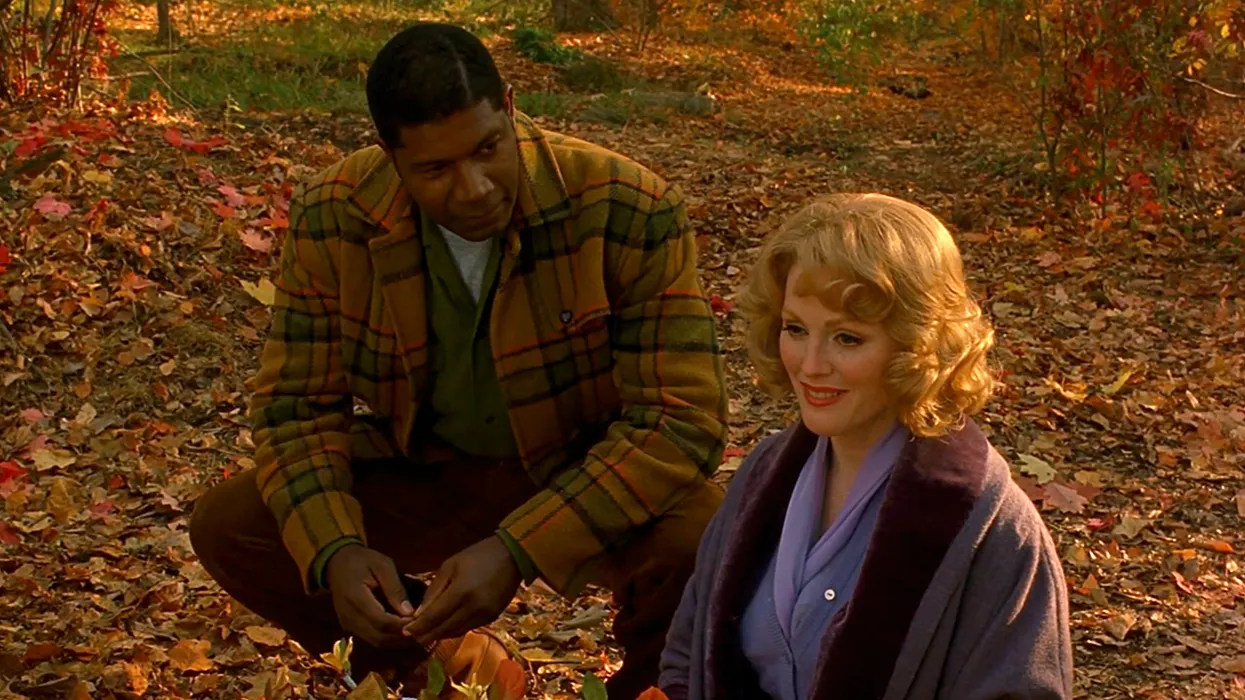 'Far from Heaven' Credit: Focus Features
Iconic queer filmmaker Todd Haynes reimagines the melodramas of Douglas Sirk with this movie of repression, desire, and bigotry. Cathy (Julianne Moore) is the perfect housewife in her 1950s Connecticut town, but everything changes when she learns her husband is struggling with being gay. She finds solace in the company of her gardener Raymond (Dennis Haysbert), a Black man who has moved into town, only for that to lead to further trouble.
A throwback to Technicolor melodramas, Haynes pushes Far from Heaven into topics that the films of 1950s Hollywood couldn’t touch on. The rich, saturated autumn colors of the central town may have it appear as an innocent, picturesque community, but it’s deceptive.
Cathy finds out how hateful her neighbors are when they react with racism to seeing her with Raymond. Homophobia and domestic abuse exist here, as well.
Sweater weather, leaves fluttering down, and shorter days. The autumn season in queer cinema can be crucial to the visual storytelling for the characters and the conflicts that come their way, which the cold of winter or the warmth of summer (and spring) wouldn’t be as effective in showing.What is your favorite use of autumn in movies?