Starship in orbit ahead of catch attempt, booster diverts to explosive splashdown
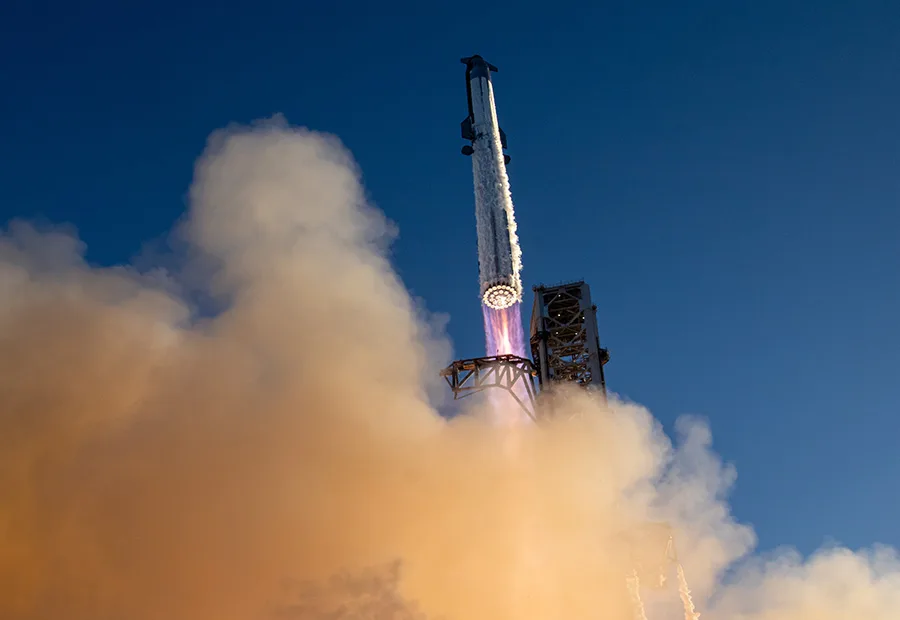
SpaceX launched it’s most ambitious Starship flight to date, hoping to demonstrate its revolutionary rocket is fully reusable by recovering both its first and second stages, but although the Ship upper stage reached orbit and deployed 26 Starlink satellites, the booster diverted to a fiery splashdown off shore in the Gulf.
The Starship vehicle lifted off from Starbase in Texas at 4:48 p.m. CST (5:48 p.m. EST / 2248 UTC) on Friday, Nov. 13.
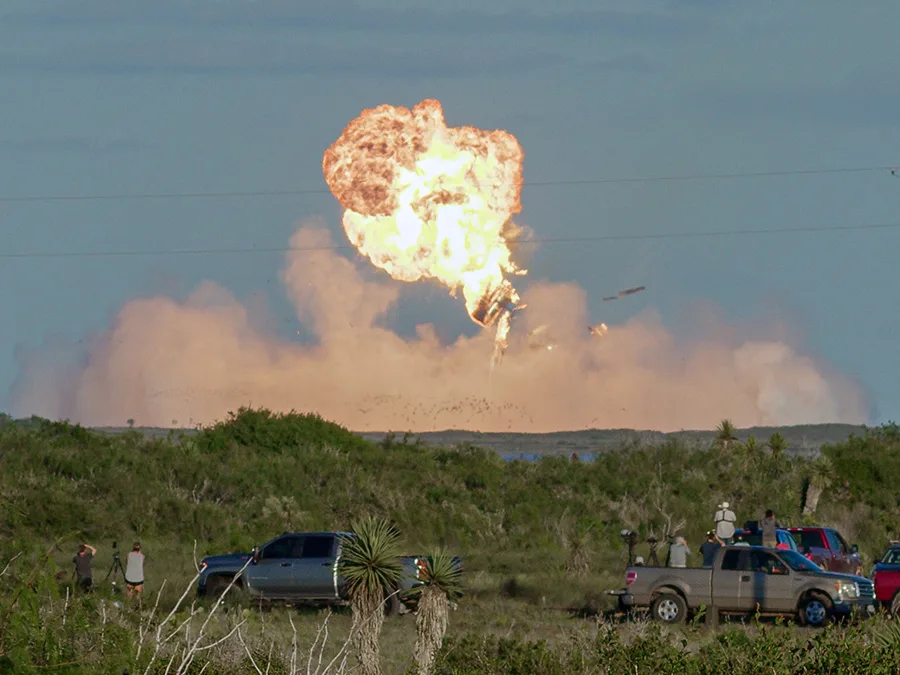
The flight plan called for Super Heavy Booster 22 to return to pad 2 at Starbase about 6.5 minutes after launching from there but for unspecified reasons it diverted to a splashdown offshore. The vehicle exploded and disappeared from view before appearing to rise back out of the sea as remaining propellants burned off. Three previous boosters were caught by the launch pad tower but Version 3 of the Super Heavy is yet to make a successful return.
Following the successful deployment of 26 Version 3 Starlink satellites, Ship 42 entered what, if all goes to plan, will be a long coast phase of up to 14 orbits of the planet. If all systems remain healthy it is scheduled to return to the launch site, 22.5 hours after launch or at around 3:20 p.m. CST (4:20 p.m. EST / 2120 UTC).
SpaceX has options to end the mission early with splashdowns off Hawaii and Chile if there is any doubt about the safety of a landing attempt at Starbase, which will take the craft over Mexico and South Texas.