Germany moves to replace Chinese drones with European-made military alternatives
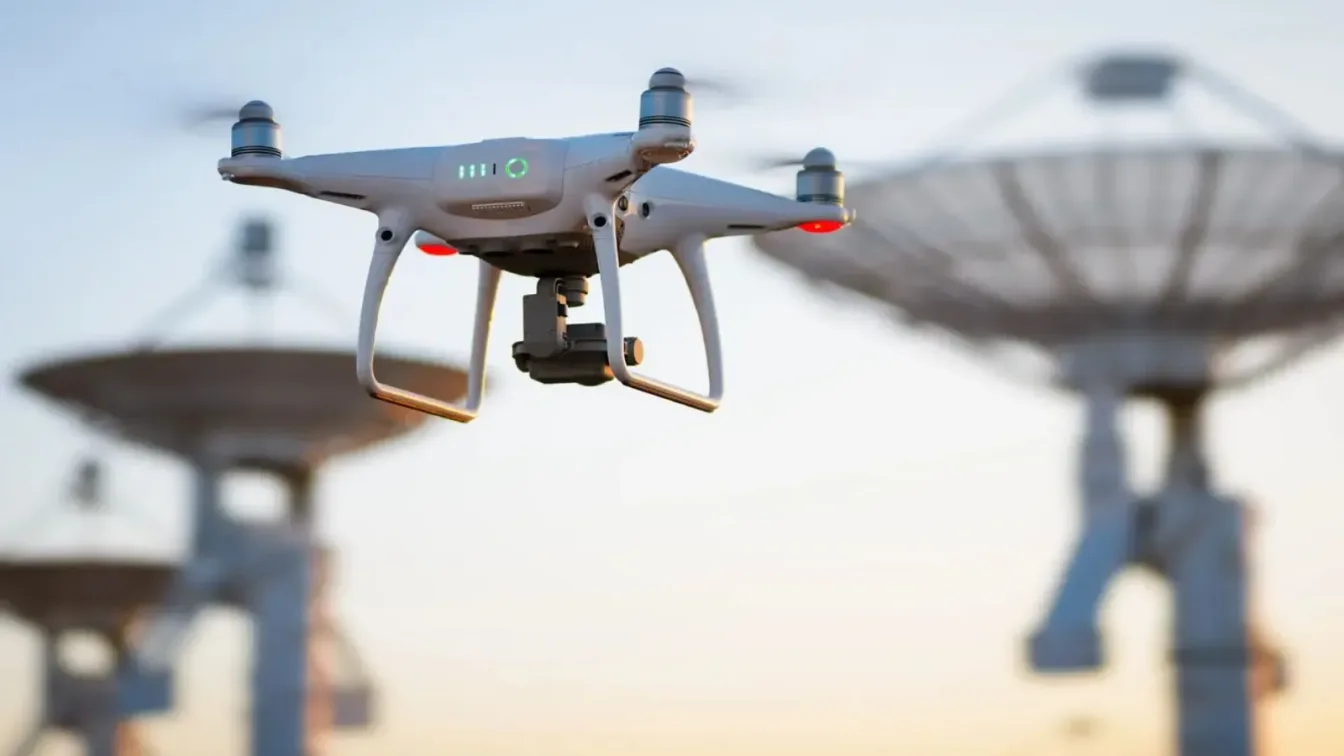
Germany is moving away from Chinese drones as its military prioritizes European suppliers amid data security concerns. The decision follows risk assessments aimed at improving security within the armed forces.
Chinese drones were previously allowed to be used for training due to their affordable nature. However, concerns about security risks of data being used by the drones have made the government reconsider their use. The decision was proactive and there has been no evidence published that there has been any stealing of military data from the drones.
Germany prioritizes European drone suppliers amid security concerns
In 2024, local commanders were allowed to purchase commercially available drones that had been approved for use by the military. These included drones from DJI, the largest civilian drone company in China. This provided an affordable option for training. However, the Bundeswehr has now decided to move away from using Chinese drones and instead will use drones made in Germany and other European countries. This will help ensure that they are using local and European manufactured drones.
The German Defense Ministry has not placed a complete ban on any drones from a certain country. The decision was made based on risk assessments and to ensure the security of sensitive military operations.
Beijing has criticized the decision, with the Foreign Ministry of China stating “the restriction of Chinese products is discriminatory”, according to Reuters. DJI have also continually denied claims that they pass sensitive data back to the Chinese Government.
This shows how the use of commercial drones by the armed forces is becoming a problem. Modern drones contain cameras, sensors, communications and software which can be used to gather, process, store and share data. Whilst this can be useful for training, monitoring and intelligence gathering, there are concerns about what data is being collected. Even equipment used for training can be used close to sensitive areas by the military.
Western governments expand scrutiny of Chinese technology near military sites
The decision follows wider concerns across the west about using Chinese manufactured technology close to military sites. This includes concerns over connected cars and electronic devices with cameras, sensors and communications that could be used to gather data.
In October 2026 the U.S. military reportedly banned the use of BYD cars at an airbase in Okinawa Island, Japan. Poland also took similar preventative measures earlier in 2026. Concerns have also been raised over other products. In July 2026, China placed restrictions on exporting dual-use items to 14 organizations in the European Union. This included Rheinmetall in Germany and Vigo Photonics in Poland. Dual-use items can be used for both civilian and military use. This includes electronic parts and specialist materials which can be used in drones, semiconductors and defense.
This shows how technology and supply chain security are becoming an important part of national defense. Governments are looking into the technology being used, which it is manufactured by, the software, how data is handled and potential security risks. Removing the Chinese drones from Germany is part of a larger move to keep their military secure, improve local defense and reduce reliance on non-European suppliers. It could also help European manufacturers by providing affordable, reliable and secure alternatives.
As the military becomes more reliant on drones and connected digital technology, security around the supply chain, independence and controlling the data they are using is likely to become a bigger part of Europe’s defense strategy.