It’s official! Chiricahua is now the 64th US national park
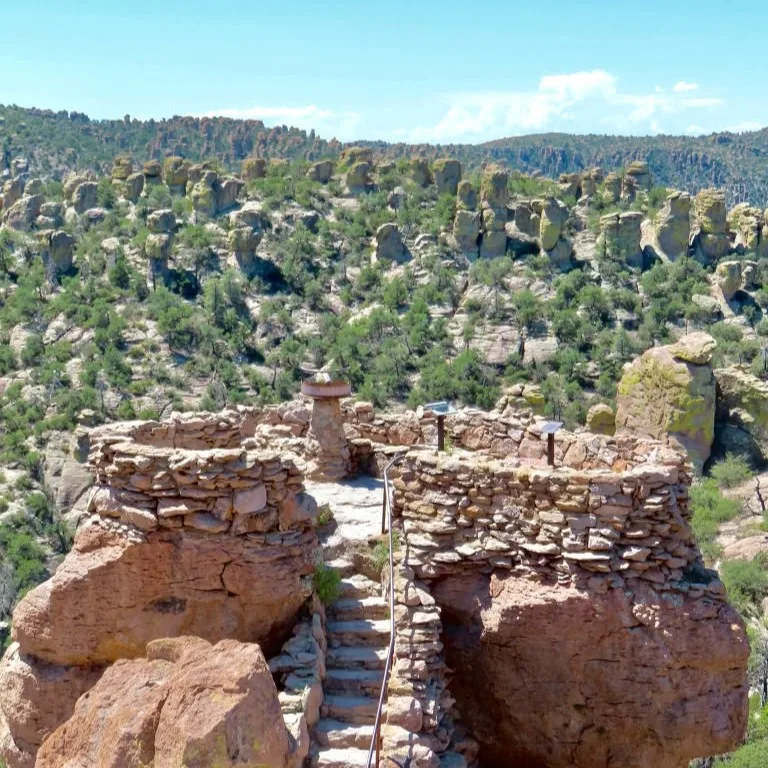
A viewing platform at Massai Point in Chiricahua National Monument. On October 20, 2026, Chiricahua became the 64th national park in the U.S. Image via Lucy Whitt. Used with permission.
Meet Chiricahua National Park
On October 20, 2026, Chiricahua National Monument officially became Chiricahua National Park. That makes 64 national parks for the United States and the 4th for Arizona, joining Petrified Forest, Saguaro and the Grand Canyon. Chiricahua is home to towering rock formations and animals such as the coatimundi.
The legislation making Chiricahua a national park changes its designation but keeps everything else the same. For example, the park will still have the same boundaries. It also doesn’t change the federal ownership and management of the park. What it will do is draw many more visitors to the area, which can be both a benefit and a drawback, especially in this time of cuts to the National Park Service’s budget.
Chiricahua is a wonderland of rocks
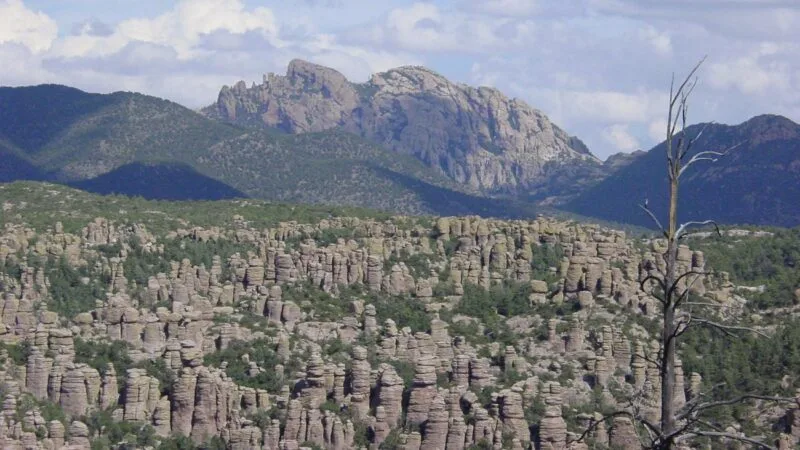
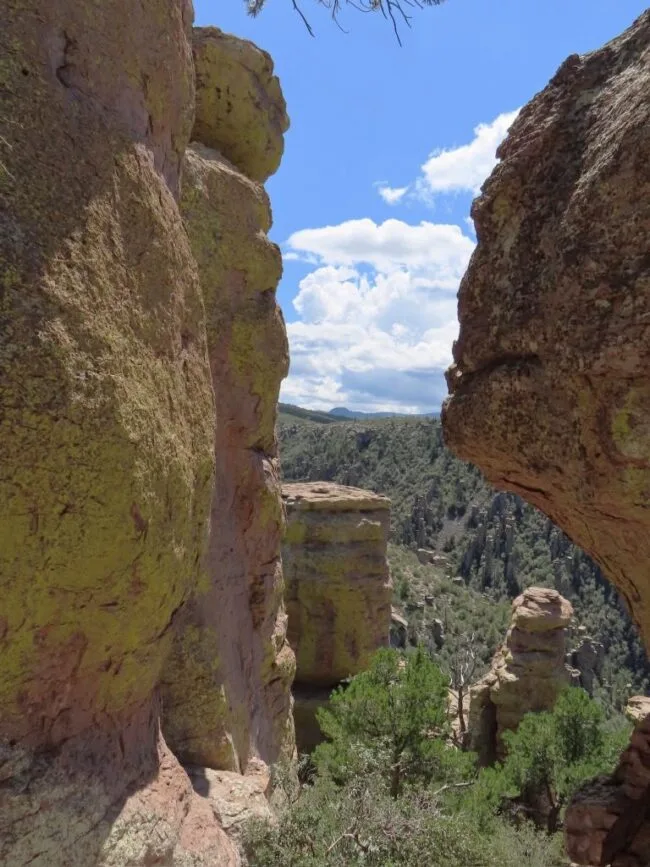
Chiricahua, sitting in the Chiricahua Mountains, is famous for its bizarre collection of rock formations. The National Park Service describes the landscape as a collection of rhyolite pinnacles and balanced rocks. Ancient volcanic eruptions some 27 million years ago led to what we see today as a wonderland of rocks.
The eruptions layered ash and molten rock that compacted into what geologists call rhyolite tuff. Eventually water and wind erosion wore down the softer parts of the rock. What remains are the stacked pinnacles and hoodoos we see today.
An International Dark Sky Park
Chiricahua National Park is already designated an International Dark Sky Park. These parks conserve the night sky and are excellent for stargazing. And Arizona’s desert environment is already well-known for its night skies. It’s the home of many astronomy observatories.
Chiricahua is open 24 hours a day. The National Park Service suggests stargazing from locations such as Massai Point and Echo Canyon Trailhead. And, of course, campgrounds are another great spot. Just throw your sleeping bag under the stars!
What lives in these lands?
Chiricahua is home to a wide variety of animal life. Just a few of the many animals you might see here include black bears, white-tailed deer, rattlesnakes and the tiger salamander. Plus, some 200 species of birds have been documented here.
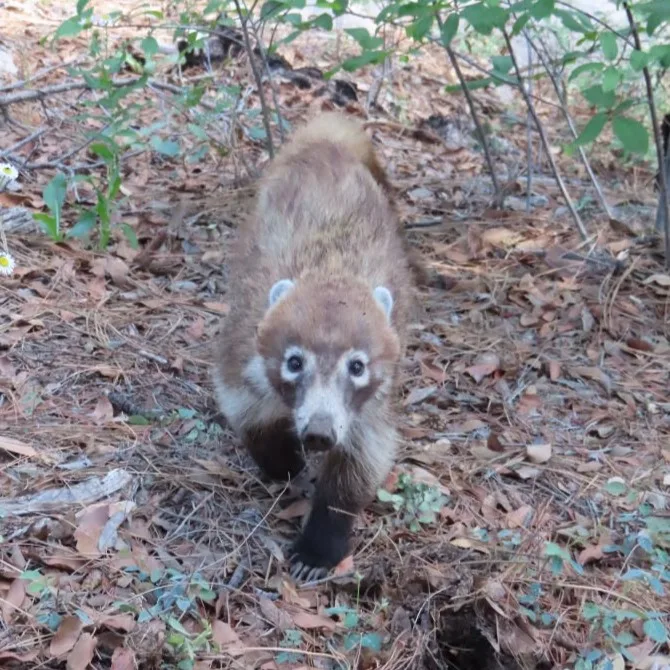
But one of the big draws for animal watchers in the park are the coatimundi. These long-tailed members of the raccoon family are more common in South America, but you can also find them here in the Chiricahua Mountains. Because coati are active during daylight hours and social animals, you have a good chance to see them playing together in the park.
Concerns with national park status
There are some concerns with changing the national monument to a national park. About 70,400 visitors came to Chiricahua in 2025. And it probably isn’t prepared for the increase in visitation once it receives national park status.
There is only one campground in Chiricahua, with 26 sites. There is no lodge. More tourism will mean more pressure on roads, trails, wildlife habitat, water resources and park staff. But more tourism could also be a boon to surrounding communities. And more visitors means more people will realize the value of this land and wish to protect it.
As always, the designation of land to a national park can have both benefits and drawbacks.
Have you visited Chiricahua National Park? Let us know in the comments.
Bottom line: Chiricahua National Park in the southeastern corner of Arizona is the U.S.’s 64th national park. It became official on October 20, 2026.
Read more: Stargazing in national parks around the world
The post It’s official! Chiricahua is now the 64th US national park first appeared on EarthSky.